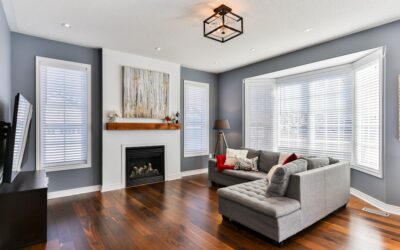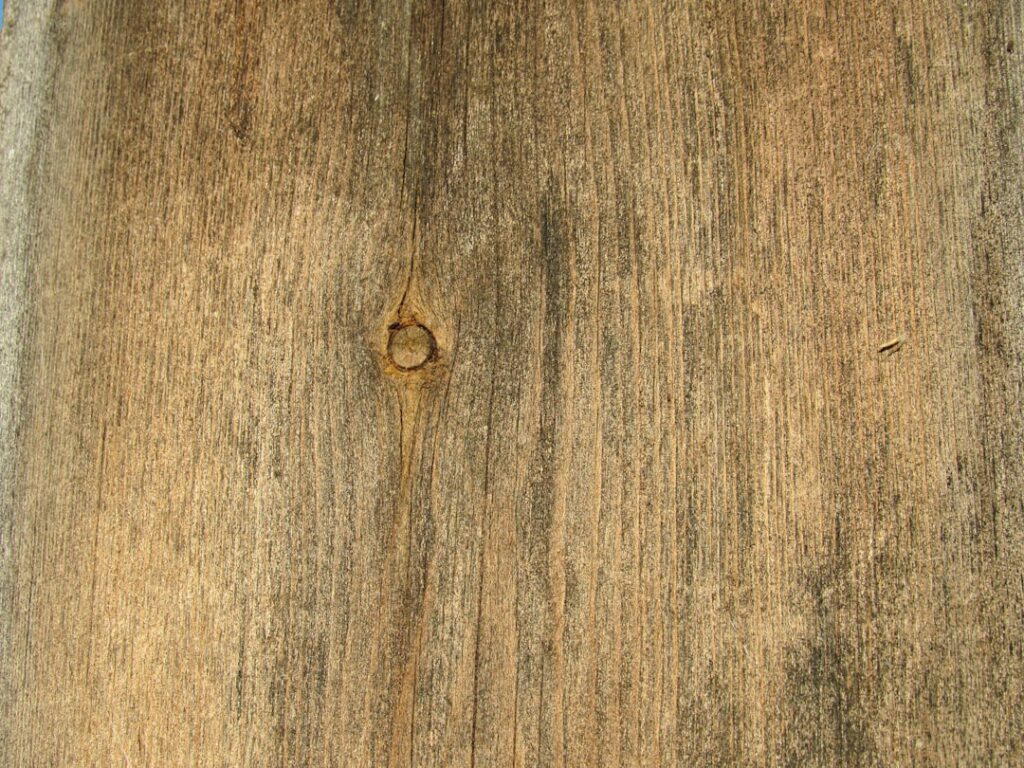
Solid hardwood flooring remains the gold standard in residential flooring. No other material matches the natural warmth, timeless beauty, and lasting value that real wood brings to a home. While modern alternatives like laminate, LVP, and engineered wood have made impressive strides in mimicking hardwood’s appearance, nothing truly replicates the authentic feel, character, and longevity of solid wood planks milled from a single piece of timber.
This guide covers everything you need to know about solid hardwood flooring, including popular species, grading, costs, installation methods, maintenance, and how it compares to engineered alternatives.
- What Is Solid Hardwood Flooring?
- Popular Solid Hardwood Species
- Hardwood Grading and What It Means
- Solid Hardwood Flooring Costs
- Prefinished vs Site-Finished Hardwood
- Installation Methods for Solid Hardwood
- Where to Install Solid Hardwood
- Solid Hardwood vs Engineered Hardwood
- Maintaining Solid Hardwood Floors
- Final Thoughts
What Is Solid Hardwood Flooring?
Solid hardwood flooring is milled from a single piece of hardwood lumber, typically 3/4 inch thick. Each plank is solid wood from top to bottom, with no layers, veneers, or composite materials. This construction allows solid hardwood to be sanded and refinished multiple times throughout its lifespan — often five to ten times or more — making it a floor that can literally last a century with proper care.
Standard solid hardwood planks are 3/4 inch thick and 2-1/4 to 5 inches wide, though wider planks up to 8 inches or more are available at premium prices. Plank lengths vary, with random-length installations being the most common for residential use.
Popular Solid Hardwood Species
The wood species you choose determines the floor’s hardness, color, grain pattern, and character. Here are the most popular species for residential solid hardwood flooring.
Red Oak
Red oak is the most popular hardwood flooring species in North America. It features a warm pinkish-brown tone with prominent grain patterns that add visual interest. With a Janka hardness rating of 1,290, red oak provides good durability for most residential applications. It accepts stain well, allowing for a wide range of custom colors.
White Oak
White oak has surged in popularity thanks to its subtle grain, golden-brown tone, and versatility across design styles. Slightly harder than red oak at 1,360 Janka, white oak is also more water-resistant due to its closed-grain cellular structure. It is the preferred species for modern, Scandinavian, and farmhouse aesthetics.
Hickory
Hickory is one of the hardest domestic hardwoods at 1,820 Janka, making it exceptionally resistant to dents and scratches. Its dramatic grain variation and color range — from creamy white to deep brown — create a bold, rustic character. Hickory is an excellent choice for families with large pets and active children.
Maple
Hard maple rates 1,450 on the Janka scale and features a fine, consistent grain with a light, clean appearance. Its smooth texture and subtle grain make it popular for contemporary and minimalist interiors. Maple’s light color brightens rooms but also shows dirt and scratches more readily than darker species.
Walnut
American walnut offers rich chocolate-brown tones with flowing grain patterns that exude luxury. At 1,010 Janka, walnut is softer than oak and requires more care to prevent denting, but its stunning visual warmth makes it a favorite for dining rooms, studies, and master bedrooms.
Cherry
American cherry features a distinctive reddish-brown tone that deepens beautifully with age and light exposure. Its Janka rating of 950 makes it one of the softer hardwood species, best suited for low-traffic areas where its beauty can be appreciated without heavy wear. Cherry’s natural color evolution is considered one of its most appealing characteristics.
Hardwood Grading and What It Means
Solid hardwood is graded based on appearance, not structural quality. Understanding grading helps you select the right look for your budget.
Select and Better
The highest grade features uniform color, minimal knots, and consistent grain. Select-grade hardwood creates a clean, refined appearance that suits formal and contemporary spaces. It commands the highest price.
Number 1 Common
This grade includes more color variation, small knots, and natural character marks. It strikes a balance between uniformity and natural character, making it the most popular choice for residential installations.
Number 2 Common
Also called “rustic” or “cabin” grade, this includes larger knots, mineral streaks, and significant color variation. Number 2 Common delivers the most character and is increasingly popular for farmhouse and industrial designs. It is also the most affordable grade.
Solid Hardwood Flooring Costs
Solid hardwood is a premium flooring investment, but its longevity often makes it the most cost-effective option over time.
Material Costs by Species
Red oak runs $3 to $8 per square foot unfinished and $5 to $10 prefinished. White oak costs $4 to $10 per square foot. Hickory ranges from $4 to $9 per square foot. Maple costs $5 to $10 per square foot. Walnut and cherry, being less available, range from $6 to $14 per square foot.
Installation Costs
Professional installation of solid hardwood costs $4 to $8 per square foot for labor. Nail-down installation on wood subfloors is standard. Glue-down installation is used on concrete subfloors and costs slightly more. Total installed costs for a standard red oak floor typically range from $8 to $15 per square foot.
Finishing Costs
If you choose unfinished hardwood, on-site sanding and finishing adds $3 to $5 per square foot. Prefinished hardwood eliminates this cost and provides a factory-applied finish that is often harder and more durable than site-applied finishes.
Prefinished vs Site-Finished Hardwood
This is one of the most important decisions when choosing solid hardwood flooring.
Prefinished Hardwood
Prefinished planks arrive with the stain and protective finish already applied in a controlled factory environment. The finish is typically UV-cured aluminum oxide, which is harder and more scratch-resistant than site-applied polyurethane. Installation is faster and cleaner, with no sanding dust, fumes, or drying time. The trade-off is slightly visible micro-bevels between planks that prevent a perfectly flush surface.
Site-Finished Hardwood
Unfinished planks are installed raw, then sanded, stained, and sealed on-site. This process creates a completely flush, seamless surface and allows unlimited custom color options. However, it takes several days longer, creates significant dust and fumes, and requires the home to be vacated during the finishing process.
Installation Methods for Solid Hardwood
Solid hardwood can be installed using several methods, each suited to different subfloor types and conditions.
Nail-Down Installation
The traditional method involves driving nails or staples through the tongue of each plank at an angle into a plywood or OSB subfloor. This is the most common and cost-effective method for above-grade installations over wood subfloors. A pneumatic flooring nailer makes the process efficient for professionals.
Glue-Down Installation
Planks are adhered directly to the subfloor using a moisture-barrier adhesive. This method works on concrete slabs and provides excellent stability with minimal sound. It is essential for below-grade and slab-on-grade installations where nail-down is not possible.
Floating Installation
While less common for solid hardwood than for engineered wood, some solid hardwood products are available with click-lock profiles that allow floating installation. This method does not secure planks to the subfloor and is generally limited to thinner solid hardwood products.
Where to Install Solid Hardwood
Solid hardwood performs best in specific environments and should be avoided in others.
Ideal Locations
Living rooms, dining rooms, bedrooms, hallways, and home offices are ideal for solid hardwood. These above-grade, climate-controlled spaces provide the stable temperature and humidity conditions that solid wood requires to perform its best.
Locations to Avoid
Solid hardwood should not be installed in bathrooms, laundry rooms, or below-grade basements where moisture levels can cause warping, cupping, and mold growth. For these spaces, consider waterproof flooring, vinyl, or tile instead. Kitchens are borderline — solid hardwood can work in kitchens with proper care, but many homeowners prefer the added moisture protection of engineered wood or vinyl.
Solid Hardwood vs Engineered Hardwood
Understanding the differences helps you decide which is right for your project.
Construction
Solid hardwood is a single piece of wood. Engineered hardwood features a real wood veneer (typically 2mm to 6mm thick) bonded to a plywood or HDF core. Both offer real wood surfaces, but engineered hardwood is more dimensionally stable.
Stability
Solid hardwood expands and contracts more with humidity changes due to its single-species construction. Engineered hardwood’s cross-layer core construction minimizes movement, making it suitable for a wider range of environments including over concrete and radiant heating systems.
Refinishing
Solid hardwood can be sanded and refinished five to ten times. Engineered hardwood can typically be refinished one to three times depending on the thickness of its wear layer. For a floor you plan to keep for 50 years or more, solid hardwood’s refinishing potential is a significant advantage.
Value
Both solid and engineered hardwood increase home value. Solid hardwood is often perceived as more premium by homebuyers and appraisers, particularly in higher-end markets.
Maintaining Solid Hardwood Floors
Proper maintenance keeps solid hardwood looking beautiful for generations.
Sweep or vacuum daily to remove grit that can scratch the finish. Clean with a hardwood-specific cleaner and a damp — not wet — microfiber mop. Maintain indoor humidity between 35 and 55 percent using humidifiers in winter and dehumidifiers in summer. Place felt pads under all furniture legs and replace them regularly. Use rugs in high-traffic areas and at entry points. Refinish when the finish shows significant wear, typically every 7 to 15 years depending on traffic.
Final Thoughts
Solid hardwood flooring is a lifetime investment that adds warmth, beauty, and value to your home like no other flooring material can. While it requires more care than synthetic alternatives and costs more upfront, its ability to be refinished repeatedly and its timeless appeal mean it can serve your home for a century or more. For homeowners who value authenticity, longevity, and the irreplaceable character of real wood, solid hardwood remains the ultimate flooring choice.
Prefer to explore on your own?
See how new flooring looks in your actual room in seconds — free, no signup.
Try the free Floor Studio →