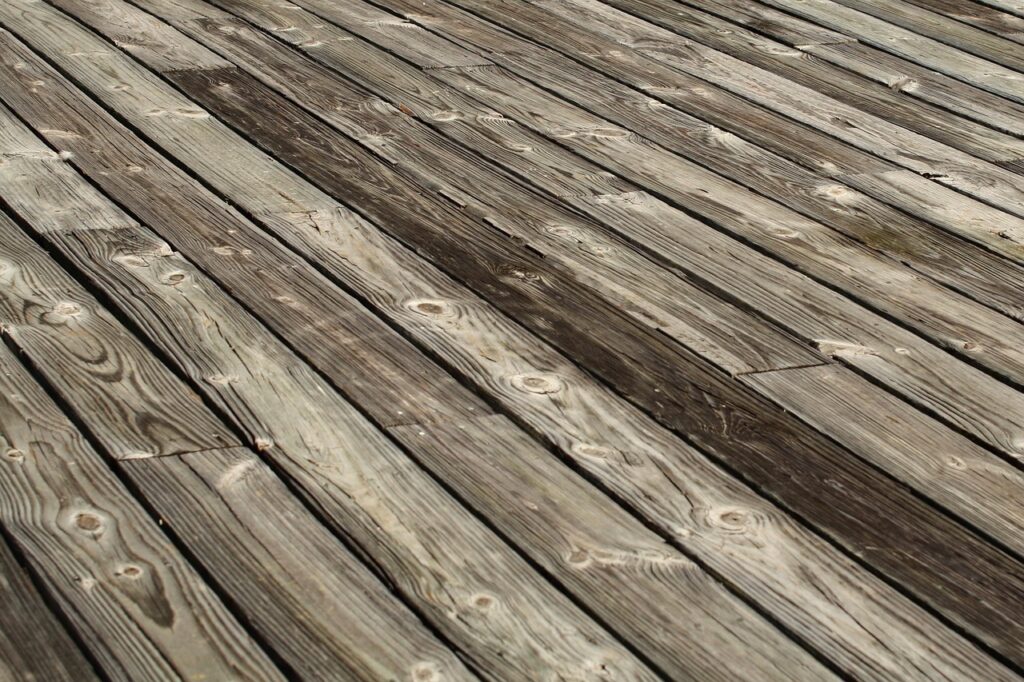
Walk into any flooring showroom and the sheer variety of wood flooring boards can stall a decision for weeks. Solid or engineered, oak or hickory, 3-inch strips or 7-inch planks, smooth or wire-brushed. The board you choose affects not just how the room looks but how the floor handles humidity, foot traffic, and the next 30 years of wear. This guide breaks down what actually matters when you buy.
- What "Boards" Really Means in Wood Flooring
- Solid vs. Engineered Boards
- Popular Wood Species and How They Wear
- Grain, Cut, and Surface Texture
- Pros and Cons of Wood Flooring Boards
- How Much to Buy and What It Costs Installed
- Acclimation and Installation Basics
- Finishes: Prefinished vs. Site-Finished
- Caring for a Wood Floor
- Final Word on Choosing Boards
What “Boards” Really Means in Wood Flooring
A board is simply one piece of finished flooring, and the dimensions printed on the carton tell you most of what you need to know. Standard strip flooring runs 2 1/4 inches wide. Planks start around 5 inches and go up to 9 or 10 inches for the wide-plank look that dominates modern design. Lengths vary inside a single box, usually from 12 inches up to 84 inches, which is what gives a finished floor its random, natural staggering.
Thickness is the other number that counts. Solid boards are typically 3/4 inch thick. Engineered boards range from 3/8 inch to 3/4 inch, with a hardwood wear layer of 0.6mm to 6mm bonded over a plywood or HDF core. The wear layer determines how many times you can refinish: anything under 2mm should be treated as a one-and-done floor.
Solid vs. Engineered Boards
Solid boards are milled from a single piece of hardwood. They sand and refinish four to six times across their life, which can stretch past 50 years, but they expand and contract with seasonal humidity. That movement makes them a poor fit for basements, slab-on-grade homes, or rooms over concrete.
Engineered boards solve the stability problem. The cross-layered core resists cupping and gapping, so you can glue or float them over concrete and in below-grade spaces. Expect $4 to $9 per square foot for quality engineered planks with a 2mm to 4mm wear layer. Solid oak typically runs $5 to $12 per square foot before installation.
- Choose solid for above-grade rooms where you want maximum refinishing life.
- Choose engineered for basements, concrete subfloors, radiant heat, and wide planks that resist movement.
Popular Wood Species and How They Wear
Species drives both hardness and price. The Janka hardness scale measures dent resistance, and it should guide your pick if you have dogs, kids, or heavy furniture.
- Red oak (1290 Janka) — the American baseline. Takes stain evenly, hides scratches with its grain, runs $3 to $7 per square foot raw.
- White oak (1360) — slightly harder, with a tighter grain favored for gray and natural finishes.
- Hickory (1820) — one of the hardest domestic woods, with dramatic color variation. Great for high-traffic homes.
- Maple (1450) — pale and smooth, but it blotches with stain, so most maple floors stay natural.
- American walnut (1010) — soft and dark; beautiful but dents more easily.
Grain, Cut, and Surface Texture
How a log is sawn changes the look of every board. Plain-sawn (the most common and cheapest) shows cathedral grain peaks. Rift-sawn produces long straight lines. Quarter-sawn reveals flecking and stays the most dimensionally stable. For texture, smooth boards read clean and contemporary, while wire-brushed and hand-scraped surfaces hide dents and add a worn, lived-in character that forgives daily abuse.
Pros and Cons of Wood Flooring Boards
Real wood adds resale value that almost no other surface matches, and a refinishable floor can outlast the house. But it is not maintenance-free.
- Pros: long lifespan, repairable, refinishable, timeless resale appeal, improves with age.
- Cons: sensitive to standing water, scratches under grit, costs more than vinyl or laminate, and needs humidity kept between 35% and 55% to avoid gapping.
If your home swings between bone-dry winters and humid summers, run a humidifier in the cold months. Gaps that open at 25% indoor humidity usually close again when levels climb back to normal.
How Much to Buy and What It Costs Installed
Measure your room’s square footage, then add 10% for cuts and waste — bump that to 15% for diagonal layouts or rooms with many angles. A 200-square-foot room therefore needs roughly 220 to 230 square feet of boards. Installed, nail-down solid oak runs $8 to $15 per square foot all-in, while glue-down or floating engineered floors land between $6 and $14 depending on board quality and labor rates in your area.
Buy one extra carton beyond your waste allowance and store it flat in the house. Dye lots shift between production runs, so that reserve box is your insurance for future repairs that match perfectly.
Acclimation and Installation Basics
Never skip acclimation. Stack the cartons in the installation room for at least 3 to 5 days so the boards reach equilibrium with your home’s humidity. Skipping this single step causes most warranty-voiding gaps and buckles. Solid boards get nailed or stapled to a wood subfloor; engineered boards can be nailed, glued, or floated with a click-lock edge over a thin foam underlayment.
Leave a 1/2-inch expansion gap around every wall and fixed object, then cover it with baseboard or quarter-round. Wood needs room to breathe, and that gap is what keeps a beautiful floor from buckling in July.
Finishes: Prefinished vs. Site-Finished
Boards arrive one of two ways, and the choice affects cost, mess, and durability. Prefinished boards come with the stain and protective topcoat already applied at the factory under controlled conditions, often with an aluminum-oxide finish that resists wear better than anything applied on site. They install fast with no sanding dust, and you can walk on them the same day. The trade-off is the small beveled grooves between boards where the factory edges meet, which collect dust over time.
Site-finished boards go down raw and get sanded, stained, and sealed in your home. This yields a perfectly smooth, seamless surface with no micro-bevels and lets you choose any custom stain color. The downsides are real: a multi-day process, sanding dust throughout the house, and several days of curing during which the room is off-limits. Expect site-finishing to add $3 to $5 per square foot over the prefinished route. For most homeowners, prefinished oak strikes the best balance of durability, speed, and value.
Caring for a Wood Floor
A wood floor lasts decades only if you maintain it. Sweep or dust-mop regularly, because grit acts like sandpaper underfoot and dulls the finish over time. Wipe spills immediately rather than letting water sit on the seams. Use felt pads under furniture legs and a quality mat at every entry to trap the abrasive grit that does the most damage. Clean with a cleaner formulated for hardwood, never a steam mop or a wet string mop, both of which drive moisture into the seams. Plan to recoat the finish (a light screen-and-recoat, not a full sanding) every 7 to 10 years to refresh the protective layer before it wears through to the wood.
Final Word on Choosing Boards
Match the board to the room, not just the trend. Wide white-oak planks look stunning, but in a damp basement engineered construction will outlast solid every time. Pick a species hard enough for your household, buy enough material with a matched reserve carton, and give the boards time to acclimate. Do that, and a set of well-chosen wood flooring boards becomes the surface your family lives on for decades.
Prefer to explore on your own?
See how new flooring looks in your actual room in seconds — free, no signup.
Try the free Floor Studio →