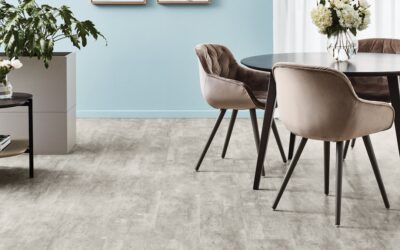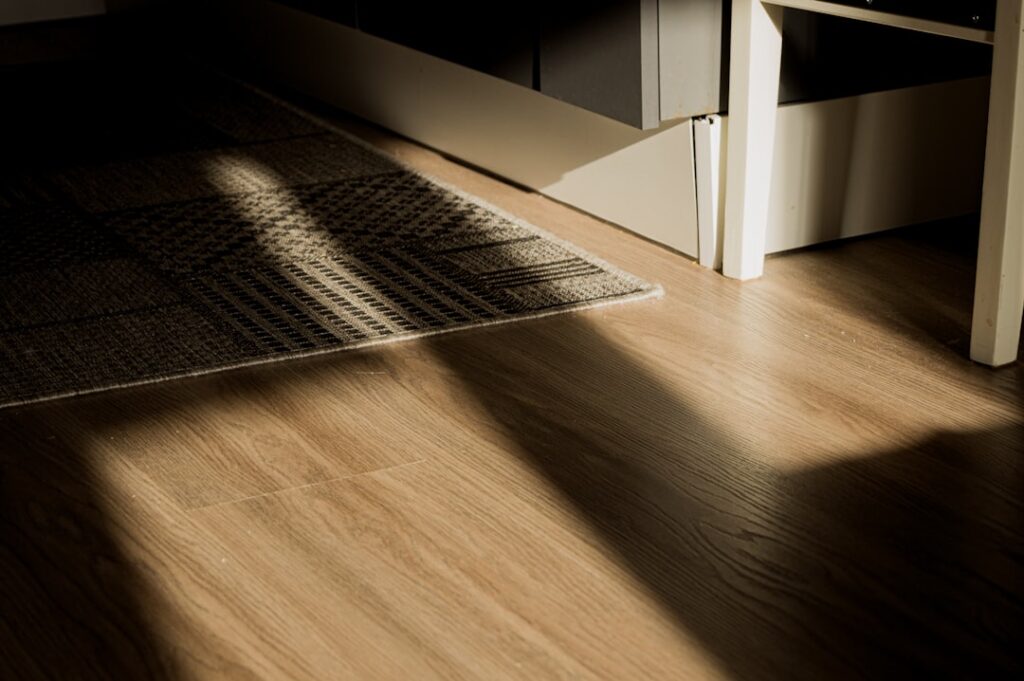
If you want the warm look of hardwood with the toughness to handle kids, pets, and spills, a vinyl board floor deserves a serious look. Often sold as vinyl plank flooring, these long, narrow boards mimic the appearance of real wood while delivering water resistance, durability, and an installation process that many homeowners can tackle themselves. It has become one of the most popular flooring choices in American homes, and for good reason.
This guide explains the main types of vinyl board flooring, how they perform, what they cost, how installation works, and how to keep them looking great. By the end you will understand whether vinyl board is the right fit for your rooms and budget.
What Vinyl Board Flooring Is
Vinyl board, also called luxury vinyl plank, is a multi-layer synthetic flooring shaped into planks that resemble wood. Each board typically has a backing layer for stability, a core layer that gives it structure, a printed design layer that creates the realistic wood look, and a clear protective wear layer on top that resists scratches and scuffs. The result is a floor that looks like hardwood from a few feet away but stands up to moisture and heavy traffic.
The realism has improved dramatically in recent years. Embossed textures now follow the printed grain so the surface feels like wood, and the planks come in a wide range of species looks, colors, and widths. That combination of authentic appearance and practical performance is what drives its popularity.
Types of Vinyl Board
Not all vinyl planks are built the same, and the core construction is the biggest differentiator. The main categories include:
- Rigid core LVP (SPC and WPC) — the most popular today. SPC (stone plastic composite) has a dense, rigid core that is highly stable and durable, while WPC (wood plastic composite) is slightly softer and warmer underfoot. Both are typically waterproof.
- Flexible vinyl plank — a thinner, more pliable plank, often glue-down, that bends easily and costs less but shows subfloor imperfections more.
- Peel-and-stick vinyl plank — budget planks with adhesive backing, easy for DIY but less durable and less convincing than rigid core.
- Click-lock (floating) planks — boards that snap together and float over the subfloor without glue, the easiest type for DIY installation.
For most homeowners, rigid core click-lock planks offer the best balance of durability, waterproofing, and ease of installation. The thicker the wear layer, generally measured in mils, the better the floor resists scratches and wear over time.
Pros and Cons
Vinyl board has clear strengths, but it pays to know the limits too. On the plus side, most rigid core products are waterproof, making them suitable for kitchens, bathrooms, basements, and laundry rooms where real wood would fail. They resist scratches and dents better than many laminates, feel comfortable underfoot, are easy to clean, and cost far less than hardwood.
On the other hand, vinyl is a synthetic product and will not add the same long-term resale value as genuine hardwood. It can be damaged by very heavy or sharp objects, may fade in spots with intense direct sunlight, and cannot be sanded and refinished like wood, so a badly damaged plank must be replaced rather than repaired. Lower-quality vinyl can also look less convincing, so buying a reputable product with a good wear layer matters.
Where to Use Vinyl Board
One of the biggest advantages of vinyl board is its versatility across the home. Because rigid core products handle moisture so well, you can use the same flooring throughout the house for a seamless look:
- Kitchens — waterproof and easy to wipe up spills.
- Bathrooms — handles humidity and splashes that ruin hardwood and laminate.
- Basements — tolerates the moisture and temperature swings below grade.
- Living areas and bedrooms — comfortable, attractive, and quiet underfoot.
- Entryways and mudrooms — durable against grit and wet shoes.
This whole-home compatibility is a major reason vinyl board has overtaken many other flooring types. Just confirm the specific product’s ratings, since not every vinyl plank is fully waterproof.
What Vinyl Board Costs
Vinyl board is competitively priced, which adds to its appeal. As general estimates, materials often run about $2 to $5 per square foot for mid-range products, with premium rigid core planks reaching $5 to $7 or more. Professional installation typically adds roughly $1 to $4 per square foot depending on your region and the complexity of the job, while a DIY click-lock installation saves that labor cost entirely.
When budgeting, factor in underlayment if your product requires it, transition strips, and trim, plus extra material for waste, usually around 10 percent. To compare fairly, get itemized quotes that separate materials from labor, and confirm whether old flooring removal and subfloor prep are included.
Installation Basics
Click-lock vinyl board is one of the most DIY-friendly flooring projects, which is part of its popularity. The floating installation snaps together over most existing hard surfaces with proper preparation. A typical process looks like this:
- Prep the subfloor so it is clean, dry, and level; rigid core planks tolerate minor imperfections, but flexible vinyl shows them.
- Acclimate the planks in the room for the time the manufacturer specifies.
- Add underlayment if required, since some planks have it pre-attached.
- Lay the first row with expansion gaps along the walls as directed.
- Click each plank into place, staggering the seams for strength and a natural look.
- Cut planks to fit edges and around obstacles, then install transitions and trim.
Always follow the manufacturer’s instructions, especially regarding expansion gaps and subfloor requirements, since ignoring them can cause buckling or gaps later. For large areas, stairs, or glue-down products, hiring a professional ensures a clean, lasting result.
Cleaning and Maintenance
Vinyl board is famously low-maintenance. Sweep or vacuum regularly to remove grit that can scratch the wear layer, and mop with a damp mop and a cleaner approved for vinyl floors. Avoid abrasive scrubbers, wax, and harsh chemicals, which can dull or damage the surface, and wipe up spills promptly even though the floor is water-resistant.
A few protective habits keep it looking new: use felt pads under furniture legs, place mats at entrances to catch grit, and avoid dragging heavy items across the floor. With this minimal care, a quality vinyl board floor delivers years of attractive, worry-free performance, combining the warmth of wood with the practicality modern households need.
Prefer to explore on your own?
See how new flooring looks in your actual room in seconds — free, no signup.
Try the free Floor Studio →