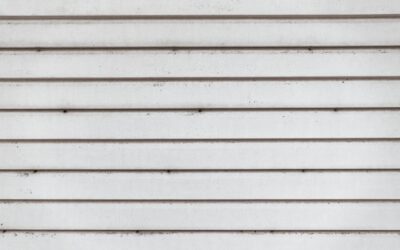
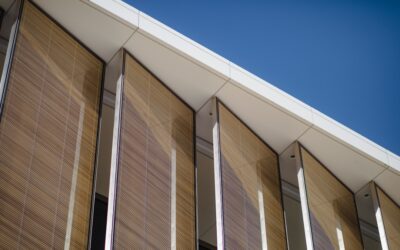
Farmhouse exteriors drove a huge share of my siding quotes over the past five years, and vinyl board and batten siding is how most of those homeowners actually got the look — real wood board-and-batten costs two to three times as much and demands repainting every 5-7 years. Modern vinyl board and batten siding molds the board-plus-raised-batten profile into a single vertical panel, installs for $4.50 to $9.00 per square foot, and never needs paint. Here’s how to buy it well: the specs that matter, the brands worth quoting, and where vinyl vertical panels genuinely fall short.
What You’re Actually Buying: Panel Anatomy
A vinyl board-and-batten panel isn’t individual boards and battens; it’s an extruded vertical panel that mimics them. The specs that separate good product from bargain-bin:
- Profile width: Most panels simulate 6-, 7-, or 8-inch boards with a 1-1/2 to 2-inch batten. Common formats: single 7-inch (one board+batten per panel) and double 5-inch. Wider single-board profiles look most like real millwork.
- Panel thickness: 0.040-inch is builder grade; 0.044-0.048-inch is where you want to be; premium lines hit 0.050-inch. Thicker panels resist oil-canning (visible waviness) on long walls.
- Batten relief: Deeper shadow lines — 5/8-inch-plus profile depth — read as real from the curb. Shallow embossing looks like vinyl from 40 feet.
- Lengths: Standard 10-foot panels; some lines offer 12-foot. Walls taller than the panel need a horizontal seam band, so check your gable heights before ordering.
- Finish: Matte, low-gloss wood-grain embossing hides the material best. Glossy budget panels are the ones neighbors clock as plastic.
Cost Breakdown: Materials and Installed
- Material only: $2.00-$4.50 per sq ft depending on gauge and brand; roughly $180-$420 per square (100 sq ft).
- Installed: $4.50-$9.00 per sq ft. A 2,000-sq-ft-wall ranch runs $9,000-$18,000 total; accent gables only (a popular budget move) might be $1,500-$4,000.
- Accessories add up: J-channel, inside/outside corner posts, starter strip, and top-of-wall trim typically add 10-18 percent to material cost. Vertical siding also needs horizontal furring or a specific vertical starter at the base.
- Insulated versions: Fused EPS-backed vertical panels add $1.00-$2.00 per sq ft and bring the assembly to roughly R-2 to R-3 while stiffening the panel noticeably.
For comparison at the estimate table: engineered wood board-and-batten installs at $6-$11 per sq ft, fiber cement vertical panels with separate battens at $8-$14, and real cedar at $10-$16 plus a $3,000-$6,000 repaint every several years.
Brands and Lines Worth Quoting
- CertainTeed Board & Batten: 0.048-inch, single 7-inch profile, and one of the deepest batten reliefs in the category. Wide color range including darker shades with their fade-resistant capstock.
- Mastic (Ply Gem) Board & Batten: 0.048-inch single 7-inch; solid mid-premium choice, big installer network.
- Alside Board & Batten: Double 5-inch and single 7-inch options; competitive pricing through supply houses.
- Georgia-Pacific/Ply Gem Vision Pro: Budget tier, 0.040-inch; fine for sheds and gable accents, thin for full walls.
- Kaycan and Royal: Strong in the Northeast and Canada; Royal’s Haven insulated vertical panel is a good cold-climate spec.
Color note: today’s dark trend colors — the charcoals, deep greens, and near-blacks driving the modern-farmhouse look — are only safe in lines with acrylic capstock fade technology. On commodity panels, dark colors can chalk and fade unevenly within 7-10 years on south walls.
Pros: Why Vinyl Wins This Profile
- Zero paint cycle. The look that sells board-and-batten is crisp contrast; vinyl keeps it without the $4,000 repaint real wood demands.
- Price. Roughly half of fiber cement vertical assemblies installed.
- Speed. A crew sides a gable in hours; panels come pre-formed rather than board-by-board with hand-nailed battens.
- Moisture tolerance. No rot, no woodpeckers, no batten-edge peeling — the classic failure points of wood board-and-batten.
- 50-year-class warranties from the major manufacturers, prorated but transferable once.
Cons: Where It Falls Short
- Repeating pattern. Every panel is identical, and on a long, flat wall the eye can catch the rhythm. Real and engineered wood randomize board widths; vinyl can’t.
- Seam management. Walls taller than 10 feet need a horizontal break band. Sloppy crews stack seams and it shows.
- Impact and heat. Vinyl cracks under hard impact in cold weather and can distort near grills, fire pits, and even sunlight focused off neighboring Low-E windows (a real and documented melt cause — keep panels rated to at least 165°F or add screening if a reflective window faces the wall).
- Resale perception. In premium neighborhoods, appraisers and buyers still rank fiber cement and wood above vinyl.
- Not paintable in practice. You can paint vinyl with specific reflective-safe paints, but you void most warranties. Buy the color you want to live with.
Buying and Installation Checklist
- Order 10 percent overage for cuts and gables; complex rooflines need 15.
- Confirm the wall prep: vertical vinyl requires horizontal furring strips at 12-16-inch centers or solid sheathing plus a moisture barrier — panels nailed to bare studs telegraph every bow.
- Insist on centered, slotted nailing left 1/32-inch loose; vinyl moves up to 1/2-inch over a 10-foot panel across seasons, and face-nailed-tight panels buckle the first hot week.
- Check the drip/starter detail at the bottom — vertical panels channel water straight down, so the base flashing matters more than on horizontal lap.
- Ask for the panel spec sheet in writing: thickness, wind rating (look for 160-180 mph test values on premium lines), and fade warranty terms on dark colors.
- Mix profiles deliberately: full board-and-batten walls on the front elevation with matching horizontal lap on sides is a common 15-20 percent cost saver that still lands the farmhouse look.
Design Playbook: Where the Profile Works Hardest
Full-house vertical is a bold commitment; most of the best-looking installs I’ve done deploy vinyl board and batten strategically. Gable ends are the classic move — the vertical lines exaggerate the roof pitch and cost only $1,500-$4,000 on a typical two-gable elevation. Entry bays and porch walls take the profile beautifully because visitors see them up close, where the deep-relief panels earn their premium. Dormers, shed-roof additions, and the second story of a two-tone farmhouse (vertical up, lap down, divided by a band board) round out the standard playbook. Color-wise, the profile photographs best in high-contrast schemes: Arctic-class whites with black windows, deep charcoals with white trim, or the sage-green family with cream accents. Monochromatic dark schemes — panel, trim, and battens all in one near-black — are the current architect favorite and hide the panel seams better than any contrast scheme.
One matching detail buyers forget: order the vertical-profile-specific accessories. Standard J-channel works, but the wider “vertical base” and finish trims made for board-and-batten lines terminate the panel bottoms and tops far more cleanly, and matching mounting blocks for lights and spigots keep penetrations from interrupting the batten rhythm mid-board.
Maintenance: The Short List
Vinyl’s pitch is low maintenance, not none. Wash the walls annually with a soft brush and a bucket of 70/30 water and white vinegar (or any siding cleaner), working top down; a garden hose rinse handles the rest. Skip pressure washers above 1,500 psi and never aim up into the panel laps — driven water finds the wall cavity. Inspect the caulk-free system joints each spring: vertical panels should still float in their channels, and any panel that’s buckled or bowed means a fastener was driven tight and needs releasing. Trim shrubs 12 inches off the wall, keep grills 3-plus feet away, and the realistic service life runs 30-40 years with the color fading so gradually you’ll only notice against a sample of the original.
Bottom Line
Spec a 0.044-inch-plus panel with deep batten relief from CertainTeed, Mastic, or Alside, put it over properly furred and wrapped walls, and vinyl board-and-batten delivers about 90 percent of the modern-farmhouse curb appeal at 50 percent of the fiber-cement price — with Saturday mornings freed from a paintbrush for the next few decades. Cheap out on gauge or install and the same profile will advertise itself as plastic from the street. In this category more than any other vinyl profile, the money is in the thickness and the shadow lines.
Final numbers to anchor the decision: a 0.048-inch premium vertical panel package on a typical 1,800-sq-ft-wall home runs $10,000-$15,000 installed and should be the last siding the house needs for 30-plus years; the same look in 0.040 builder stock saves perhaps $2,500 up front and starts looking wavy on sunny elevations within a decade. Spread over the life of the wall, the premium tier costs about $80 a year more — cheaper than one repaint of anything wooden, and the difference between a house that reads farmhouse and one that reads clad-in-a-hurry.