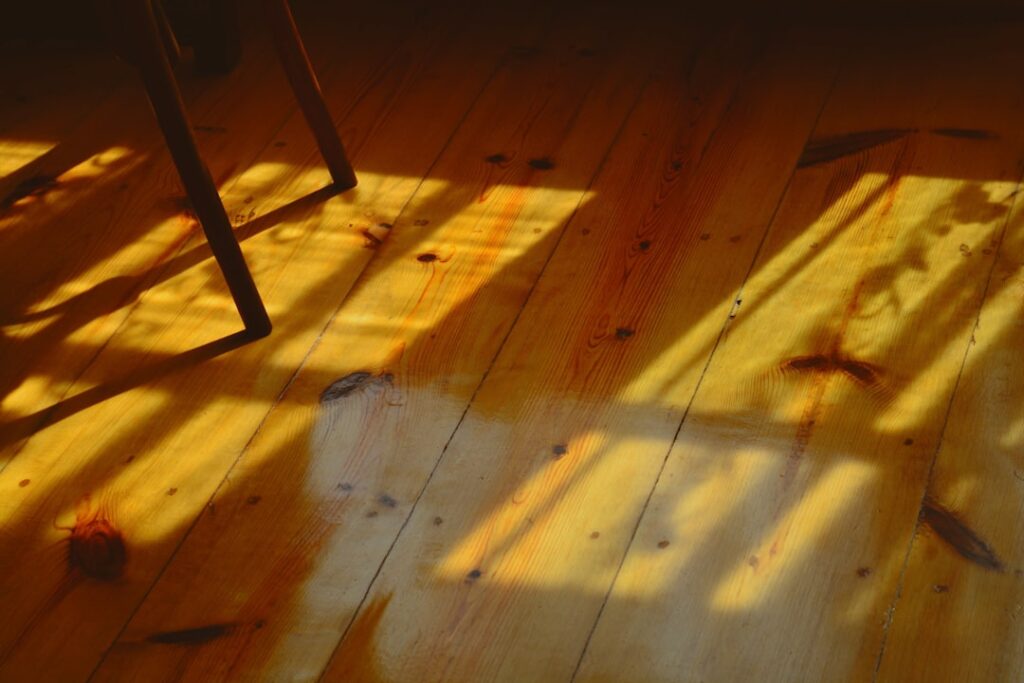
Choosing between solid hardwood and engineered hardwood is one of the most common dilemmas homeowners face during a renovation. Both options deliver the warmth and beauty of real wood, but they differ significantly in construction, performance, installation flexibility, and long-term value. Understanding those differences helps you pick the floor that actually fits your home, your climate, and your budget.
This guide breaks down every factor that matters so you can make a confident decision.
- How Each Floor Is Built
- Dimensional Stability and Moisture Tolerance
- Installation Methods
- Refinishing Potential: The Long-Term Factor
- Hardness and Durability
- Cost Comparison
- Impact on Resale Value
- Species and Style Options
- When to Choose Solid Hardwood
- When to Choose Engineered Hardwood
- Maintenance: Equal Ground
- Common Myths Debunked
- Final Verdict
How Each Floor Is Built
The core difference between solid and engineered hardwood comes down to construction. Solid hardwood is exactly what it sounds like: a single plank of wood milled from a tree, typically 3/4-inch thick. Every layer you see, from the surface down to the bottom, is the same species of wood.
Engineered hardwood takes a different approach. It features a real hardwood veneer on top, usually between 2mm and 6mm thick, bonded to multiple layers of plywood, HDF, or softwood arranged in a cross-grain pattern. This layered construction is the secret behind engineered hardwood’s dimensional stability. The opposing grain directions counteract the natural tendency of wood to expand and contract with moisture changes.
Both floors look identical once installed. Your guests will never know the difference by glancing at the surface. The real distinctions show up in how each floor performs under stress, moisture, and time.
Dimensional Stability and Moisture Tolerance
Solid hardwood is sensitive to humidity swings. When the air holds more moisture, planks absorb it and expand. When the air dries out, planks shrink. This seasonal movement can cause cupping, crowning, buckling, or gaps between boards if the environment is not properly controlled. Solid hardwood performs best when indoor relative humidity stays between 35% and 55%.
Engineered hardwood handles moisture fluctuations far better. The cross-laminated core resists expansion and contraction in ways solid wood simply cannot. While engineered hardwood is not waterproof, it tolerates higher humidity levels and occasional minor moisture exposure without warping as readily as solid wood.
This stability advantage makes engineered hardwood the clear winner for several situations:
- Below-grade installations such as basements where concrete slabs transmit ground moisture
- Over concrete subfloors on any level of the home
- Over radiant heat systems where temperature cycling would stress solid planks
- Humid climates where seasonal swings are more dramatic
- Open-concept floor plans where long, unbroken runs of flooring are more vulnerable to expansion pressure
Solid hardwood, on the other hand, should be limited to above-grade installations over plywood or OSB subfloors with proper moisture barriers.
Installation Methods
Solid hardwood is almost always nail-down or staple-down installed over a wooden subfloor. This is the traditional method that has worked for centuries, but it limits where you can put the floor. You cannot nail into a concrete slab, which rules out basements and many ground-floor rooms in slab-on-grade homes.
Engineered hardwood offers much more flexibility. Depending on the product, you can:
- Float it using a click-lock system over an underlayment, similar to laminate or LVP
- Glue it down directly to a concrete slab or plywood subfloor
- Nail or staple it to a plywood subfloor just like solid hardwood
The floating installation option is particularly appealing for DIY homeowners because it eliminates the need for a nail gun and significantly speeds up the process. Glue-down installations over concrete open up rooms that solid hardwood simply cannot serve.
Refinishing Potential: The Long-Term Factor
This is where solid hardwood has a genuine, undeniable advantage. A 3/4-inch solid hardwood plank can be sanded and refinished five to seven times over its lifespan. Each sanding removes roughly 1/32 inch of material, giving you decades of renewal potential. A well-maintained solid hardwood floor can last 75 to 100 years or more.
Engineered hardwood’s refinishing potential depends entirely on the thickness of its wear layer. A floor with a 2mm veneer can handle one light sanding at most, and many professionals advise against even that. A premium engineered floor with a 4mm to 6mm veneer can be sanded and refinished two to three times, which still represents 30 to 50 years of life when combined with proper maintenance.
If you plan to keep a floor in your family for generations, solid hardwood’s refinishing advantage matters. But for most homeowners who will sell or renovate within 20 to 30 years, a quality engineered floor with a thick veneer offers more than enough longevity.
Hardness and Durability
The surface hardness of both floors is determined by the wood species, not the construction method. An oak solid hardwood plank and an oak engineered hardwood plank will dent and scratch at the same rate because the surface layer is the same material.
Where engineered hardwood can actually outperform solid is in structural rigidity. The cross-laminated core makes engineered planks less likely to develop gaps, less prone to seasonal movement, and more stable under furniture legs. Some engineered floors also come with enhanced surface treatments like aluminum oxide coatings that improve scratch resistance beyond what an untreated solid floor offers.
Cost Comparison
Solid hardwood typically costs between $5 and $15 per square foot for materials, depending on species, grade, and plank width. Installation adds $3 to $8 per square foot for professional nail-down work.
Engineered hardwood ranges from $4 to $14 per square foot for materials. Installation costs vary more because of the method: floating installation runs $2 to $5 per square foot, glue-down runs $3 to $6, and nail-down matches solid hardwood rates.
When you factor in installation flexibility, engineered hardwood often comes out cheaper overall, especially if you choose a floating click-lock product and install it yourself. The material cost difference is minimal at comparable quality levels, but labor savings can be substantial.
Budget-conscious homeowners should also consider the cost of subfloor preparation. Solid hardwood requires a perfectly flat, dry plywood subfloor. Engineered hardwood works over concrete with a moisture barrier, potentially saving thousands on subfloor work.
Impact on Resale Value
Real estate agents consistently rank hardwood flooring among the top features buyers look for. Both solid and engineered hardwood boost resale value because buyers perceive real wood as a premium upgrade.
Solid hardwood carries a slight edge in markets where buyers are educated about the difference. The refinishing longevity and “whole wood” appeal resonates with some buyers. However, in many markets, buyers cannot tell the difference and simply see “hardwood floors” as a selling point regardless of construction type.
The resale value gap between the two is narrowing as engineered hardwood quality improves and consumer awareness grows. A beautifully installed engineered oak floor will outperform a scratched-up, poorly maintained solid floor every time. Condition matters more than construction.
Species and Style Options
Solid hardwood gives you access to virtually every domestic and exotic wood species: red oak, white oak, maple, hickory, walnut, cherry, Brazilian cherry, teak, and more. You can choose from different grades, widths, and finishes.
Engineered hardwood matches or exceeds this variety. Because only the top layer needs to be the featured species, manufacturers can offer exotic veneers at lower cost than solid exotic planks. You will also find wider plank options more readily in engineered form because the cross-grain construction prevents the cupping that would plague a 7-inch solid plank.
For homeowners who want wide plank floors (7 inches or wider), engineered hardwood is strongly recommended over solid for this stability reason.
When to Choose Solid Hardwood
Solid hardwood is the better choice when:
- You are installing on an above-grade wooden subfloor
- You want maximum refinishing potential for a multi-generational home
- Your climate has moderate humidity swings and you maintain consistent indoor conditions
- You prefer the tradition and heritage of a whole-wood floor
- You plan to custom-finish on site with a specific stain and topcoat
When to Choose Engineered Hardwood
Engineered hardwood is the better choice when:
- You are installing below grade, over concrete, or over radiant heat
- You want a floating or glue-down installation method
- You live in a humid or variable climate
- You want wide planks (7 inches or more) with minimal risk of cupping
- You plan to DIY and want a click-lock system
- You want the look of exotic species at a lower price point
Maintenance: Equal Ground
Day-to-day maintenance is identical for both floors. Sweep or vacuum regularly to remove grit that causes scratches. Use a damp (not wet) mop with a hardwood-specific cleaner. Place felt pads under furniture legs, use mats at entryways, and keep pet nails trimmed.
Both floors benefit from maintaining indoor humidity between 35% and 55%. Both can be spot-repaired with touch-up kits for minor scratches. Both should avoid steam mops and standing water.
The only maintenance difference emerges years down the road when refinishing becomes necessary. As discussed, solid hardwood offers more refinishing cycles, but the day-to-day care routine is the same.
Common Myths Debunked
Myth: Engineered hardwood is fake wood. False. The top layer is real hardwood. Engineered hardwood is real wood flooring with an engineered core for better stability.
Myth: Solid hardwood always lasts longer. Not necessarily. A premium engineered floor with proper care can last 50+ years. Many solid hardwood floors get replaced during renovations long before they need refinishing.
Myth: Engineered hardwood is just expensive laminate. Completely different products. Laminate uses a photographic image layer. Engineered hardwood uses real wood.
Myth: You can’t refinish engineered hardwood. You can refinish engineered floors with veneers thicker than 2mm. Products with 4mm+ veneers allow two to three full sand-and-refinish cycles.
Final Verdict
There is no universally “better” option. Solid hardwood wins on refinishing longevity and tradition. Engineered hardwood wins on versatility, stability, and installation flexibility. Both deliver the beauty, warmth, and value of real wood flooring.
Evaluate your specific subfloor, climate, installation preferences, and long-term plans. For most modern homes, especially those with concrete subfloors, radiant heat, or below-grade spaces, engineered hardwood is the practical choice without sacrificing aesthetics. For traditional homes with wooden subfloors and stable climates, solid hardwood remains a timeless investment.
Prefer to explore on your own?
See how new flooring looks in your actual room in seconds — free, no signup.
Try the free Floor Studio →