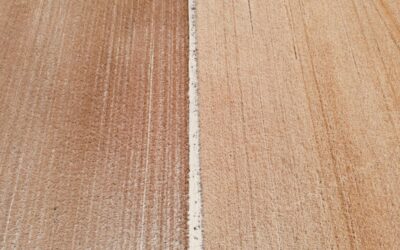
Both engineered hardwood and solid hardwood are real wood floors. They look the same, feel the same underfoot, and can be refinished (to varying degrees). But they are built differently, and those structural differences affect where you can install them, how they handle moisture, and what they cost.
If someone tells you engineered hardwood is “fake” wood, they are wrong. The surface you walk on is genuine hardwood — oak, walnut, maple, hickory, or whatever species you choose. The difference is what sits underneath that surface layer. This guide explains exactly what those differences mean for your home.
- Table of Contents
- What Is Solid Hardwood?
- What Is Engineered Hardwood?
- Construction Differences
- Appearance
- Durability and Hardness
- Moisture and Humidity Performance
- Installation Methods
- Refinishing Potential
- Cost Comparison
- Lifespan
- Full Comparison Table
- Best Uses for Each
- Resale Value
- The Verdict
- Frequently Asked Questions
What Is Solid Hardwood?
Solid hardwood flooring is exactly what it sounds like — each plank is milled from a single piece of lumber. A 3/4-inch thick oak plank is 3/4 inch of solid oak all the way through. This is the traditional hardwood floor that has been used in homes for centuries.
Solid hardwood comes in a range of species (oak, maple, walnut, cherry, hickory, ash) and widths (2-1/4 inches to 5 inches being most common). It is typically 3/4 inch thick, though 5/16-inch thin-profile options exist for special applications. Most solid hardwood is installed by nailing or stapling to a plywood or OSB subfloor over joists.
What Is Engineered Hardwood?
Engineered hardwood flooring has a real hardwood veneer on top — the same species and finish options as solid — bonded to a plywood or HDF core beneath. The veneer ranges from about 0.6 mm (rotary-peeled) to 6 mm (sawn) in thickness, with 2 to 4 mm being the most common for residential products.
The multi-layer construction is engineered (hence the name) to resist the expansion and contraction that solid wood experiences with humidity changes. Each layer in the core is oriented in alternating directions, similar to how plywood is made, which counteracts the natural tendency of wood to move with moisture changes.
Construction Differences
Solid Hardwood
A single piece of milled lumber. The grain runs in one direction through the entire plank. This uniform grain structure means solid hardwood expands and contracts with humidity changes — it swells when humidity is high and shrinks when it is low. This seasonal movement is the defining characteristic (and limitation) of solid hardwood.
Engineered Hardwood
Multiple layers bonded together:
- Wear layer (top): Real hardwood veneer, typically 2 to 4 mm thick
- Core layers: Multiple plies of plywood, HDF, or a combination, with alternating grain directions
- Backing layer: A bottom veneer or balancing layer for structural stability
The cross-grain construction makes engineered hardwood approximately 70% more dimensionally stable than solid hardwood. It still moves slightly with humidity changes, but far less dramatically, which opens up installation options that solid hardwood cannot match.
Appearance
When properly finished and installed, engineered hardwood and solid hardwood are visually indistinguishable. The surface you see and walk on is real wood in both cases. The same species, the same grain patterns, the same stain and finish options.
Where Engineered Has a Visual Advantage
Engineered hardwood is available in wider planks (up to 9 inches or more) that are less common and more expensive in solid hardwood. Wide planks in solid wood are more prone to cupping and warping because there is more wood to expand. Engineered construction handles wide formats with less risk of those issues.
Engineered hardwood is also available in more exotic species and finish styles because the veneer approach makes expensive species more affordable — you need far less walnut to make a walnut-veneer engineered plank than a solid walnut plank.
Where Solid Has an Edge
Solid hardwood develops a deeper, richer patina over decades of use and multiple refinishings. Each sanding and refinishing reveals fresh wood with the same depth and character. Engineered hardwood’s thinner veneer limits how many times you can sand it, which limits its long-term aging potential.
Durability and Hardness
Surface hardness is identical between engineered and solid hardwood of the same species. A white oak engineered floor has the same Janka hardness rating (1,360 lbf) as a solid white oak floor because the surface layer is the same wood.
Scratch and Dent Resistance
Identical for the same species and finish. A factory-applied aluminum oxide or UV-cured finish on engineered hardwood is often harder than a site-finished solid hardwood floor. Pre-finished solid hardwood with the same factory finish would perform equally.
Structural Durability
Solid hardwood is a single piece of wood and can take more abuse at the structural level. Severe impacts that dent the surface deeply can be sanded out in solid hardwood. The same impact on engineered hardwood could potentially reach the plywood core beneath the veneer, especially on products with thin (2 mm or less) veneers.
Moisture and Humidity Performance
This is the most significant practical difference between the two products.
Solid Hardwood
Solid hardwood is highly reactive to humidity. In humid conditions, planks absorb moisture from the air and expand. In dry conditions (especially in winter with forced-air heating), planks release moisture and contract, opening visible gaps between boards.
This seasonal movement is normal and expected. It is why solid hardwood should not be installed below grade (basements), directly over concrete slabs, or in any room with high humidity variability. Most manufacturers recommend maintaining indoor humidity between 35% and 55% year-round to minimize movement.
Engineered Hardwood
Engineered hardwood’s cross-ply construction dramatically reduces seasonal movement. It can be installed over concrete slabs (with a proper moisture barrier), in basements that are dry and climate-controlled, and in rooms with wider humidity fluctuations than solid hardwood would tolerate.
However, engineered hardwood is not waterproof. The wood veneer and plywood core will still absorb water from spills, leaks, or flooding. For truly waterproof performance, LVP flooring or waterproof flooring alternatives are necessary.
Installation Methods
Solid Hardwood Installation
- Nail-down: The standard method. Planks are blind-nailed or stapled through the tongue into a plywood subfloor. Requires a wooden subfloor over joists.
- Cannot float: Solid hardwood should not be installed as a floating floor.
- Cannot go over concrete: Solid hardwood cannot be nailed to concrete. While glue-down is technically possible for some products, it is uncommon and risky.
- Must be above grade: Not suitable for basements or below-grade installations.
Engineered Hardwood Installation
- Nail-down: Works over plywood subfloors, same as solid.
- Glue-down: Can be adhered directly to concrete slabs or plywood. This is common in condos and homes with slab foundations.
- Float: Click-lock engineered hardwood can float over virtually any flat, solid surface with an underlayment. This is the fastest and most versatile installation method.
- Below grade: Can be installed in basements (with moisture testing and proper vapor barriers).
Engineered hardwood’s installation flexibility is a major advantage. If your home has a concrete slab foundation, engineered is your only real wood option. If you are installing on an upper floor of a condo where nail-down is not permitted, floating engineered hardwood works perfectly.
Refinishing Potential
Solid Hardwood
Can be sanded and refinished many times over its lifespan. A 3/4-inch solid plank can typically be sanded 6 to 10 times before the tongue-and-groove profile is compromised. This is one of solid hardwood’s greatest assets — the floor can be completely refreshed, changing color and finish, multiple times across decades.
Engineered Hardwood
Refinishing depends entirely on the veneer thickness:
- 0.6 to 2 mm veneer: Cannot be sanded. Can be screened and recoated (a light surface refresh) once or twice.
- 2 to 3 mm veneer: Can be sanded once, carefully, by an experienced professional.
- 3 to 4 mm veneer: Can be sanded 1 to 2 times.
- 4 to 6 mm veneer (sawn-face): Can be sanded 2 to 4 times, approaching solid hardwood territory.
If refinishing potential is important to you, invest in engineered hardwood with a thick veneer (4 mm or more). Budget-priced engineered with a thin rotary-peeled veneer is essentially a one-life product.
Cost Comparison
| Cost Category | Solid Hardwood | Engineered Hardwood |
|---|---|---|
| Budget Materials | $3.00 to $5.00/sq ft | $3.00 to $5.00/sq ft |
| Mid-Range Materials | $5.00 to $10.00/sq ft | $5.00 to $9.00/sq ft |
| Premium Materials | $10.00 to $15.00+/sq ft | $8.00 to $14.00+/sq ft |
| Installation (Nail-Down) | $3.00 to $5.00/sq ft | $3.00 to $5.00/sq ft |
| Installation (Glue-Down) | N/A | $3.00 to $6.00/sq ft |
| Installation (Floating) | N/A | $2.00 to $4.00/sq ft |
| Site Finishing (if unfinished) | $2.00 to $4.00/sq ft | Rarely needed (most come pre-finished) |
Material costs overlap significantly. Engineered hardwood can be slightly less expensive for exotic or wide-plank species because it uses less of the premium wood. However, top-quality engineered with thick veneers and premium cores can match or exceed solid hardwood pricing.
The installation cost savings for floating engineered hardwood can be meaningful — $1 to $2 per square foot less than nail-down installation, which adds up quickly on a large project.
Lifespan
Solid hardwood: 50 to 100+ years. Properly maintained solid hardwood floors can outlast the house itself. Multiple refinishings keep the floor looking new across generations.
Engineered hardwood: 20 to 50+ years, depending on veneer thickness and how many refinishings the product supports. Thick-veneer engineered hardwood (4 mm+) can approach solid hardwood longevity.
If you are building your “forever home” and want floors that your grandchildren can inherit, solid hardwood has the advantage. If you plan to be in the home for 10 to 30 years, premium engineered hardwood will serve you equally well.
Full Comparison Table
| Feature | Solid Hardwood | Engineered Hardwood |
|---|---|---|
| Surface Material | Solid wood (full thickness) | Real wood veneer (0.6 to 6 mm) |
| Core Material | Same wood throughout | Plywood or HDF |
| Dimensional Stability | Low (expands/contracts with humidity) | High (cross-ply construction) |
| Installation Methods | Nail-down only | Nail, glue, or float |
| Over Concrete Slab | No | Yes |
| Below Grade (Basements) | No | Yes (with precautions) |
| Refinishing | 6 to 10 times | 0 to 4 times (veneer dependent) |
| Typical Thickness | 3/4 inch | 3/8 to 3/4 inch |
| Width Options | 2-1/4 to 5 inches typical | 3 to 9+ inches |
| Material Cost | $3.00 to $15.00+/sq ft | $3.00 to $14.00+/sq ft |
| Lifespan | 50 to 100+ years | 20 to 50+ years |
| Waterproof | No | No |
| Radiant Heat Compatible | Not recommended | Yes (most products) |
Best Uses for Each
Choose Solid Hardwood For
- Main-level living areas in homes with controlled humidity
- Traditional and historic homes where authenticity matters
- Long-term homeowners who want generational flooring
- Homes with plywood subfloors over joists
- Rooms where you may want to change the floor color in the future through refinishing
Choose Engineered Hardwood For
- Concrete slab foundations
- Basements (dry, climate-controlled)
- Upper floors in condos (floating installation)
- Wide-plank designs (7 inches and wider)
- Rooms with radiant floor heating
- Climates with extreme humidity swings
- When you want real wood but need installation flexibility
Resale Value
Both solid and engineered hardwood contribute positively to home resale value. The National Association of Realtors consistently lists hardwood floors as one of the top features buyers look for.
Solid hardwood carries a slight premium in buyer perception, especially in traditional markets and higher-end homes. Buyers associate solid hardwood with quality and permanence. Engineered hardwood is viewed favorably as well, though some buyers (incorrectly) perceive it as a lesser product.
In practical terms, a well-maintained engineered hardwood floor in a desirable species like white oak or walnut will not cost you a sale or reduce offers. The visual impression matters more than the construction method, and most buyers cannot tell the difference.
The Verdict
Choose solid hardwood if you have a conventional subfloor (plywood over joists), you control your home’s humidity, you want the longest possible lifespan, and refinishing flexibility matters to you.
Choose engineered hardwood if you have a concrete slab, you want to install in a basement, you need floating installation, you prefer wide planks, or you have radiant floor heating. Engineered hardwood gives you a real wood floor with far more versatility in where and how you install it.
Neither choice is wrong. Both are genuine hardwood floors that will look beautiful and add value to your home. The decision should be driven by your subfloor type, installation needs, and how long you expect the floor to serve.
Frequently Asked Questions
Is engineered hardwood real wood?
Yes. The top layer (veneer) is real hardwood — the same oak, walnut, maple, or other species you would get with solid hardwood. Only the core layers beneath are different. When you look at and walk on engineered hardwood, you are interacting with real wood.
Can engineered hardwood be refinished?
It depends on the veneer thickness. Products with 3 mm or thicker veneers can be sanded and refinished at least once. Products with 4 to 6 mm veneers can be refinished multiple times. Thin-veneer products (under 2 mm) can only be screened and recoated, not fully sanded.
Which is better for dogs?
Neither has an inherent advantage for pet resistance — surface hardness is the same for the same species. Choose a harder species (hickory, white oak) and a quality factory finish with aluminum oxide for better scratch resistance. For the ultimate pet-proof option, LVP flooring handles scratches and accidents better than any hardwood.
Can I mix solid and engineered in the same house?
Yes. Many homeowners use solid hardwood on the main floor and engineered hardwood in the basement or over a concrete slab addition. Choose the same species and a matching finish for visual consistency between rooms.
Does engineered hardwood increase home value?
Yes. While solid hardwood has a slight edge in perceived value, engineered hardwood is viewed very favorably by buyers. A quality engineered floor in good condition is a selling point, not a compromise.
Is solid hardwood harder to maintain?
Slightly. Solid hardwood requires more attention to humidity control (keeping levels between 35% and 55%) and is less forgiving of spills. Day-to-day cleaning is identical — sweep and damp mop both types using hardwood-appropriate cleaners.
Prefer to explore on your own?
See how new flooring looks in your actual room in seconds — free, no signup.
Try the free Floor Studio →