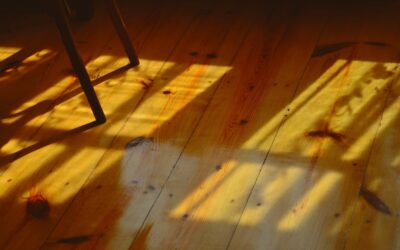
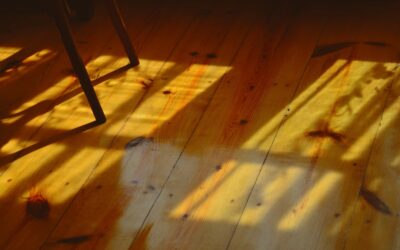
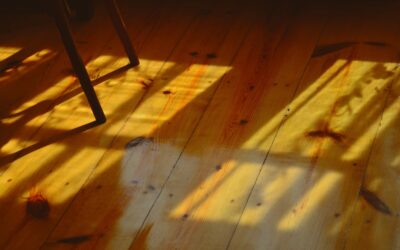
For decades, conventional wisdom said carpet belonged in bedrooms because feet hit the floor barefoot first thing in the morning. That logic missed a few things — modern hardwood with the right rug pairing reads warmer than dated low-pile carpet, refinishes for generations instead of replacing every decade, and resells significantly better. Hardwood floor bedroom installations now outsell carpet in master suites for new homes priced above $400k. After installing wood in 80+ bedrooms across remodels and new builds, I can map out the species, finish, and rug-layering decisions that matter.
The Carpet vs Hardwood Question
Carpet costs less upfront — $2-$5 per square foot installed for mid-grade carpet versus $7-$12 per square foot installed for hardwood. Over a 20-year span, carpet replacement (every 7-10 years) eats up that gap and surpasses hardwood total cost.
Hardwood also reduces allergens dramatically. Dust mites, pet dander, and mold spores embed in carpet fibers and require professional extraction every 12-18 months. Hard surfaces wipe clean.
The downside: hardwood is colder underfoot in winter and noisier in upstairs bedrooms. Both issues solve with the right rug.
Best Species for Bedroom Use
- Red oak — affordable, accepts stain well, traditional look
- White oak — modern, water-tolerant, versatile finish range
- Hickory — most durable, distinctive grain variation
- Walnut — luxurious, rich brown tones, softer than oak
- Maple — light and clean, best for modern minimalist designs
- Eastern white pine — wide planks for character, soft underfoot
Bedrooms see less abrasive traffic than living rooms or kitchens, so the species choice can prioritize aesthetics over maximum hardness. Walnut and pine are bedroom-friendly here even though they’d struggle in a high-traffic kitchen.
Pricing Realistic Bedroom Floors
- Standard 3/4-inch solid red oak, 3-1/4 inch wide: $7-$10 per sq ft installed
- Engineered white oak, 5 inch wide, 1/2 inch thick: $7-$11 per sq ft installed
- Solid hickory, 4 inch wide: $9-$13 per sq ft installed
- Premium walnut, 5 inch wide: $12-$18 per sq ft installed
- Wide-plank pine site-finished: $9-$15 per sq ft installed
For an average 250 sq ft master bedroom, total cost runs $1,750-$4,500 depending on species and finish.
Solid vs Engineered Decision
For above-grade bedrooms with plywood subfloors, solid 3/4-inch hardwood is the natural choice. Cleat or staple-nail directly to the subfloor and the floor lasts generations.
For bedrooms over concrete slab (basements converted to suites, single-story homes on slab) or over radiant heat, engineered hardwood is the only viable solid-wood option. Choose 1/2-inch engineered with 3mm-4mm wear layer.
Bedroom traffic is light enough that a 1.5mm-2mm wear layer is acceptable for budget-conscious projects, where in living rooms I’d push for 3mm minimum.
Acoustic Considerations
Hardwood transmits more impact sound than carpet — meaningful if there’s a bedroom directly below or if the bedroom shares a wall with another room. Solutions:
- Acoustic underlayment (Quiet Walk Plus, Pluseal Premium): adds $0.40-$0.80/sq ft
- Resilient channels in subfloor framing: $1.50-$2.50 per sq ft for new construction
- Strategic area rug placement: 8×10 rug under bed absorbs 60-70% of foot impact
- Solid-wood furniture vs hollow-frame furniture: heavier furniture transmits less vibration
Area Rug Strategy
An 8×10 rug centered under the bed (extending 18-24 inches on each side and at the foot) is the standard treatment. The rug provides warmth on bare-foot landing zones, absorbs sound, and softens the visual hardness of an all-wood floor.
For king beds, a 9×12 rug works better. For platform beds with low frames, a runner on each side instead of a single large rug allows the bed frame to read cleaner.
Budget for the rug separately — a quality wool 8×10 runs $800-$2,500. The rug is a long-term investment that outlasts the floor finish.
Finish Selection for Bedrooms
Bedrooms see less abrasion than other rooms, so satin or matte finishes work well without showing wear quickly. UV-cured aluminum-oxide finishes from premium prefinished brands handle bedroom traffic for 15+ years before needing recoat.
Site-finished waterborne polyurethanes (Bona Mega ONE, Loba 2K Supra) cure faster than oil-based finishes — a meaningful advantage if you need to move furniture back into a master suite quickly during a remodel.
Oil finishes (Rubio Monocoat, OSMO Polyx) work beautifully in bedrooms. The lack of foot traffic minimizes spot wear, and the matte natural look reads warmer than urethane sheen.
Installation Sequence Tips
Schedule bedroom hardwood installations when you can vacate the room for 5-7 days. Site finishing requires 24-72 hours of cure between coats, plus 7 days before moving heavy furniture back.
Acclimate the boxes in the room for 5-7 days before installation. Solid hardwood absorbs ambient humidity and reaches equilibrium with the room — skip this and you’ll see seasonal cupping or gapping.
For the bed area specifically, don’t position seams at the head of the bed where you’ll see them most often. Lay out boards so the longest, cleanest pieces fall in the most visible visual zones.
Common Mistakes
- Choosing a too-light species and showing every dust particle in morning sun
- Skipping acoustic underlayment in upstairs bedrooms
- Buying a too-small area rug (must extend beyond bed footprint)
- Installing high-gloss finishes that show every speck of bedroom dust
- Picking species color without testing in actual bedroom lighting
Resale Impact
Real estate data from major MLS markets shows hardwood-floored bedrooms sell faster and at slightly higher price-per-square-foot than carpeted bedrooms in homes priced above $400k. Below that price point, the difference shrinks but doesn’t reverse. Hardwood is essentially never a resale liability outside of regional preferences (cold-climate buyers occasionally prefer carpet bedrooms).
For investment properties, the longevity advantage compounds — one hardwood install across 30 years costs less than three carpet replacements over the same span.
Final Recommendation
For most bedrooms, 3/4-inch solid white oak in 4-5 inch widths with a satin matte finish, paired with a wool area rug under the bed, delivers the best combination of warmth, acoustics, longevity, and resale appeal. A hardwood floor bedroom done right elevates the room’s read significantly and outlasts multiple carpet replacement cycles — making it the smarter investment over any reasonable ownership timeline.
Prefer to explore on your own?
See how new flooring looks in your actual room in seconds — free, no signup.
Try the free Floor Studio →