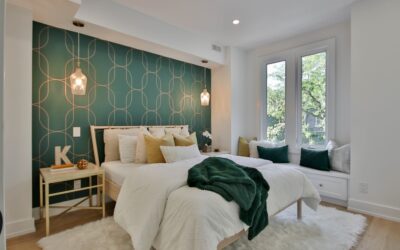
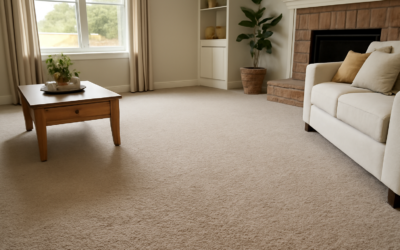
Walk into ten model homes today and you will see roughly six with hardwood throughout and four hedging with carpet in the bedrooms. That split exists because the right answer depends on who lives in the house, not on which material is fundamentally better. Choosing carpet or hardwood in bedrooms comes down to comfort under bare feet, sound between floors, allergy concerns, resale expectations, and your tolerance for refinishing or recarpeting on a 10-year cycle. After installing both materials in hundreds of bedrooms, here is the honest breakdown.
Comfort Underfoot
Carpet wins this category outright, especially in northern climates or any room over a basement or crawl space. Stepping out of bed onto a 67-degree wood floor in February is an experience that pushes a lot of homeowners back toward carpet within a year of installing hardwood. A quality carpet with 8-pound rebond pad runs 5 to 7 degrees warmer than hardwood at the same room temperature, and the cushion alone reduces joint strain on early mornings.
Hardwood can be made warmer with an area rug, but the rug introduces a separate maintenance and slipping issue. Layered rugs over wood look beautiful in photos and slide unpredictably in real life unless you use serious rug pads underneath.
Sound Transmission
Bedrooms over living rooms or kitchens are where carpet earns its keep. Hardwood transmits footstep impact directly into the joist system and amplifies it on the floor below. The difference is dramatic. A child walking across a wood floor sounds like a horse trotting in the room beneath. Carpet with a quality pad cuts that impact noise by 50 to 70 percent.
If you go with hardwood upstairs, plan for a high-performance underlayment like Pliteq GenieMat RST at $1.50 per square foot installed under the floor. That alone closes the noise gap by about 60 percent, but adds material and installation cost.
Allergies and Indoor Air
The conventional wisdom that carpet causes allergies is half right. Carpet does collect dust mites, pet dander, and allergens, but it also traps them. Walking across a carpet kicks up far less airborne particulate than walking across a hardwood floor with the same dust load. Studies by Bonn University and Mitsubishi Electric have shown that wood floors actually circulate more allergens into breathing zones during normal household activity.
The real difference is what you do about it. Carpet needs weekly vacuuming with a HEPA-equipped machine like a Miele Compact C2 at $700. Hardwood needs daily dust mopping. Skip the maintenance on either and allergies worsen.
Real Costs Installed
Material and installation costs vary regionally, but here are the typical 2026 ranges for a standard 14-by-14 bedroom (196 square feet).
- Mid-grade nylon carpet with 8-lb pad: $4 to $7 per sq ft installed, or $785 to $1,375 for the room.
- Wool carpet: $10 to $18 per sq ft installed, or $1,960 to $3,530.
- Engineered hardwood (3/8 to 1/2 inch): $7 to $14 per sq ft installed, or $1,375 to $2,745.
- Solid hardwood (3/4 inch oak): $9 to $16 per sq ft installed, or $1,765 to $3,135.
- Wide plank or exotic species: $14 to $25 per sq ft installed, or $2,745 to $4,900.
The cost gap closes when you factor in lifespan. Carpet lasts 8 to 12 years before showing wear. Hardwood lasts 30 to 80 years and can be sanded and refinished 4 to 6 times. Over a 40-year period, hardwood is significantly cheaper per year of service.
Resale and Buyer Expectations
Buyer preference varies regionally and by price point. In coastal markets and homes over $600,000, buyers strongly prefer hardwood throughout. In the Midwest, mountain states, and family-oriented suburbs, carpet in bedrooms is expected and welcomed. The National Association of Realtors 2025 Remodeling Impact Report puts hardwood at 118 percent cost recovery in bedrooms in luxury homes, and only 84 percent recovery in starter homes where buyers want carpet.
If you plan to sell within 3 years, install what the local market expects. If you are settling in for 10-plus years, install what you actually want to live with.
Installation Time and Disruption
Carpet installs faster. A typical bedroom takes 2 to 4 hours start to finish, including moving furniture, with no acclimation period. The room is usable the same evening.
Hardwood demands more. Engineered planks need 3 to 5 days of acclimation in the room before installation. Solid hardwood needs 7 to 10 days. Installation runs 4 to 8 hours plus another 24 to 48 hours for finishing cure if site-finished. Prefinished engineered cuts that to a single day but limits your stain and finish options.
Pet and Kid Considerations
Households with dogs that have accidents should not put solid hardwood in bedrooms. Urine penetrates the finish quickly, soaks into the wood, and creates dark stains that only sanding to bare wood can address. Engineered hardwood with an aluminum-oxide factory finish handles accidents far better but still suffers if puddles sit overnight.
Carpet absorbs pet accidents into the pad, which is bad in the short term but can be replaced cheaply. Pet-friendly carpet like Mohawk SmartStrand Silk at $4 per square foot has a stain warranty that covers actual pet damage, which the others do not.
The Hybrid Approach
Many homeowners settle on hardwood through main living areas and carpet only in bedrooms. This combination scores well at resale, provides warmth and sound dampening where you want them, and lets you refresh the carpet on its natural 10-year cycle without touching the hardwood. The transition strip at the bedroom door is a minor detail that any installer handles cleanly.
If you cannot decide, that split is almost always the right move. It is not a compromise, it is matching the material to the room function.