A 45-pound bumper plate dropped from waist height generates roughly 7,000 newtons of force at impact, which is enough to crack a concrete slab and shatter ceramic tile within a single drop. Athletic rubber flooring exists to absorb that energy across millions of cycles without degrading, while also protecting joints, equipment, and the subfloor underneath. Pick the right thickness and density and the floor lasts 15 to 25 years. Pick a residential-grade product for a serious training space and you will be patching divots within six months.
Why Rubber Beats Every Other Floor for Athletic Use
No other flooring material combines shock absorption, slip resistance, sound dampening, and durability the way rubber does. Foam interlocking tiles compress permanently under heavy weights. Vinyl plank cracks under dropped weights. Carpet traps sweat and harbors bacteria. Concrete destroys joints. Hardwood splinters and warps. Rubber simply absorbs the impact and rebounds, year after year.
The performance comes from the rubber’s molecular structure — long polymer chains that deform under load and return to their original shape. Higher-density rubber (denser polymer packing) recovers faster and lasts longer; lower-density recycled rubber compresses more, making it better for impact zones but worse for cardio machines that need stable surfaces.
Thickness Recommendations by Activity
Thickness is the single biggest spec decision. Too thin and dropped weights damage the subfloor underneath. Too thick and cardio equipment wobbles on the soft surface.
- 1/4 inch (6 mm): Cardio zones, light resistance training, yoga, stretching. $1.50 to $3 per sq ft
- 3/8 inch (8 mm): Standard home gym for moderate dumbbell work up to 50 lb. $2.50 to $4 per sq ft
- 1/2 inch (12 mm): Free-weight zones, kettlebells, plyometric jumps. $3.50 to $5.50 per sq ft
- 3/4 inch (19 mm): Olympic lifting platforms, heavy deadlifts, bumper plates over 100 lb. $5 to $8 per sq ft
- 1 inch (25 mm) and thicker: Commercial weight rooms, CrossFit boxes, NFL training facilities. $7 to $12 per sq ft
For most home gyms, 3/8 inch covers cardio and moderate strength training, with a 3/4 inch lifting platform in the deadlift zone. The cost difference is small and the joint protection is significant.
Rolls vs Tiles vs Mats
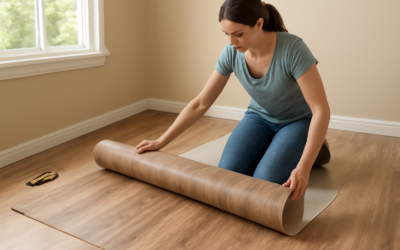
Rolled rubber comes in 4 ft wide rolls in lengths up to 100 ft. The seam count is minimized, which gives commercial-looking installation and the easiest cleanup. Downside is weight: a 4 ft by 50 ft roll of 3/8 inch rubber weighs about 300 pounds, which makes solo installation difficult.
Interlocking tiles in 2 ft or 3 ft squares install easily and lift for relocation. Seams are visible up close but the modular system handles odd room shapes better than rolls. For renters or anyone planning to move the gym, tiles are the practical choice.
Heavy gym mats in 4 ft by 6 ft sheets at 1/2 to 3/4 inch thickness sit in place under specific stations without bonding to the subfloor. These work for crossfit-style stations where lifting platforms move around the space frequently.
Top Athletic Rubber Brands
Several manufacturers dominate the US athletic rubber market across price tiers.
- Rogue Fitness Rubber Tiles and Rolls: $4 to $8 per sq ft. Sourced through Garage Gym
- Rubber-Cal Elephant Bark and Sport-Rubber: $3 to $6 per sq ft. Wide selection at Amazon and Home Depot
- Greatmat Pro and Heavy Duty: $2.50 to $5 per sq ft. Strong DIY product for home gyms
- Mondo Sport Impact: $8 to $15 per sq ft. Specified at Olympic training centers and pro facilities
- Ecore Performance: $6 to $12 per sq ft. Premium recycled-rubber lines for commercial use
Density and Recycled Content
Rubber flooring is rated by Shore A hardness and recycled content percentage. Shore A 40 to 50 is soft and absorbent, suited to free-weight zones. Shore A 55 to 70 is firmer and better under cardio machines and lifting platforms where equipment stability matters more than impact absorption.
Most athletic rubber uses 80 to 95% recycled content from tires and post-industrial rubber, which is environmentally favorable and significantly cheaper than virgin rubber. Virgin EPDM (ethylene propylene diene monomer) rubber runs 2 to 3x the cost and is reserved for premium installations where color uniformity and zero off-gassing are priorities.
Installation Considerations
Most athletic rubber installs loose-lay over a flat subfloor. The weight of the rubber holds it in place under normal use. For permanent installations, contact-cement-grade adhesive like Henry 663 or Roberts 6700 bonds rubber to concrete, plywood, or existing flooring.
- Subfloor must be flat to 3/16 inch over 10 feet
- Acclimate rubber 48 hours unrolled in the install space
- For glue-down, apply adhesive to subfloor not to rubber underside
- Roll seams with a 75 to 100 lb roller to ensure bond
- Allow 24 hours for adhesive cure before heavy use
Cost Estimates by Room Size
A 200 sq ft home gym in 3/8 inch tiles runs $500 to $800 in material, plus a 4 ft by 8 ft lifting platform in 3/4 inch rubber at $200 to $300 additional. Total budget around $700 to $1,100 covers most home setups.
A 1,000 sq ft commercial gym build in 1/2 inch rolled rubber runs $3,500 to $5,500 in material, plus another $1,500 to $2,500 for installation labor. Premium facilities running 1 inch Mondo or Ecore commercial rubber spend $8,000 to $12,000 for the same square footage.
Maintenance and Longevity
Athletic rubber is among the lowest-maintenance flooring in any category. Sweep or vacuum debris daily. Damp mop weekly with diluted dish soap and warm water. Avoid solvent-based cleaners, citrus oils, and high concentrations of vinegar — all can degrade the rubber compound over time.
Sweat is the primary day-to-day enemy. Wipe down stations after intense sessions and air the room out to prevent mildew between the rubber and subfloor. Expect 15 to 25 years of useful life from quality athletic rubber in residential use, longer with diligent maintenance.
What to Skip and What to Splurge On
Skip ultra-cheap horse-stall mats from farm-supply stores. They work mechanically but the off-gassing is intense for 6 to 12 months indoors. Skip puzzle-foam tiles for any serious lifting — they tear and compress within months.
Splurge on a dedicated lifting platform at 3/4 inch or thicker rubber. Splurge on commercial-grade rubber under cardio machines that vibrate. The total upcharge across a typical home gym is $300 to $600 and adds a decade of useful life to both the floor and the equipment standing on it.
Prefer to explore on your own?
See how new flooring looks in your actual room in seconds — free, no signup.
Try the free Floor Studio →