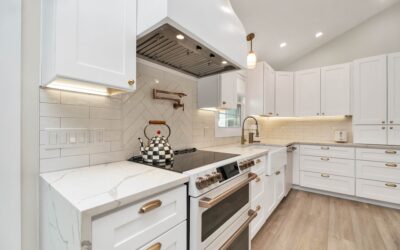
Pairing a backsplash with a bright white kitchen is one of the most satisfying design decisions you can make, and the best backsplash ideas for white cabinets and quartz countertops range from timeless subway tile to dramatic full-height marble slabs. White cabinets act as a blank canvas, and most quartz surfaces carry subtle veining or flecks that give you a color palette to draw from. The result can be crisp and serene or bold and full of personality, depending on the tile you choose.
- Classic White Subway Tile
- Play Up the Quartz Veining
- Full-Height Quartz Slab Backsplash
- Warm It Up With Natural Materials
- Bold Color and Pattern
- Texture and Dimension
- Grout: The Detail That Changes Everything
- Tile Size and Layout Choices
- Coordinating Hardware and Fixtures
- Avoiding Common Design Mistakes
- Budgeting Your Backsplash
This guide covers ten proven directions, along with the practical details of tile size, grout color, and cost so your finished wall looks intentional rather than accidental.
Classic White Subway Tile
Nothing anchors a white kitchen like a 3×6 inch white subway tile. It is affordable at roughly $2 to $6 per square foot, endlessly available, and quietly elegant. The key move with white-on-white is the grout. A soft gray grout traces each tile and adds gentle definition, while a bright white grout melts the wall into a seamless expanse. For a modern twist, run the tiles vertically or in a herringbone pattern instead of the standard offset brick lay.
Play Up the Quartz Veining
Many popular quartz slabs, such as Calacatta or Carrara-look styles, feature gray or warm-taupe veining. Echo those tones in your backsplash to tie the room together. A marble-look porcelain tile with matching veins creates a high-end, coordinated feel at a fraction of natural stone’s price. If the quartz has warm beige undertones, pick a tile with cream and taupe movement; for cool gray quartz, choose crisp gray-and-white veining.
Full-Height Quartz Slab Backsplash
For a seamless, luxurious look, extend the same quartz used on your counters all the way up to the underside of the upper cabinets. A slab backsplash eliminates grout lines entirely, making it exceptionally easy to wipe clean behind the range. Expect to pay $50 to $100 per square foot installed since it uses the same fabricated material as the countertop. Against white cabinets, a continuous quartz waterfall of stone reads as modern and understated.
Warm It Up With Natural Materials
All-white can feel clinical, so many homeowners introduce warmth through the backsplash. Consider these options:
- Zellige tile: Handmade Moroccan clay tiles with subtle color variation and a glossy, uneven surface that catches light beautifully. Budget $15 to $50 per square foot.
- Natural stone mosaic: Travertine or tumbled marble in warm cream and beige adds organic texture, around $8 to $20 per square foot.
- Terracotta or clay-look tile: A rustic, earthy contrast to sleek quartz, ideal for farmhouse and Mediterranean kitchens.
These materials soften the crispness of white cabinets and quartz, keeping the space inviting rather than sterile.
Bold Color and Pattern
Because white cabinets recede, they let a colorful backsplash shine without overwhelming the room. Deep navy, emerald green, or terracotta glazed tiles create a striking focal point. Patterned cement or encaustic-look tiles bring Old World character, while a bright blue Zellige wall makes the whole kitchen feel custom. Keep the quartz relatively simple, a plain white or lightly speckled slab, so the busy backsplash does not compete with equally busy stone.
Texture and Dimension
If you love neutrals but crave interest, let texture do the talking. A three-dimensional tile, such as a fluted, arabesque, or picket (elongated hexagon) shape, throws shadows and adds depth while staying within a white or off-white palette. Glossy handmade tiles reflect light and brighten north-facing kitchens. A matte fireclay tile, by contrast, reads more contemporary and hides fingerprints and water spots.
Grout: The Detail That Changes Everything
Grout color quietly steers the entire look. Matching grout, such as white grout with white tile, creates a soft, uniform surface. Contrasting grout, like charcoal grout with white subway tile, delivers a graphic, modern statement that emphasizes the tile pattern. For kitchens, choose a stain-resistant epoxy or a sealed cement grout in a mid-tone gray; pure white grout behind a cooktop shows grease and stains within months. A slightly gray grout stays looking clean far longer.
Tile Size and Layout Choices
Size shapes the mood. Small 1-inch mosaics feel intricate and vintage; large-format 12×24 inch tiles feel calm and modern with minimal grout lines. Standard 3×6 subway remains the versatile default. Layout adds another layer: a classic 50 percent offset feels traditional, a vertical stack feels contemporary, and herringbone or chevron adds movement and craftsmanship. Match the layout to your kitchen’s overall style so the backsplash reinforces the design rather than fighting it.
Coordinating Hardware and Fixtures
The backsplash does not live in isolation, and small metal accents pull the whole scheme together. Warm brass or matte gold hardware, faucets, and light fixtures pair beautifully with cream and beige backsplashes, lending a soft, collected feel. Polished chrome and brushed nickel lean cool and crisp, complementing gray-veined quartz and white subway tile. Matte black fixtures create high contrast against a white wall and read distinctly modern.
Choose one metal finish and repeat it across cabinet pulls, the faucet, and pendant lighting so the eye reads a deliberate palette. When the backsplash is bold or heavily patterned, keep hardware simple and cohesive so the tile remains the star. When the backsplash is quiet white subway, a striking hardware finish becomes an easy way to inject personality without committing to permanent color.
Avoiding Common Design Mistakes
A few missteps show up again and again in white kitchens. The first is choosing a tile whose undertone clashes with the quartz; a cool blue-white tile next to a warm cream quartz looks accidental rather than curated. Hold physical samples together in the actual kitchen light before committing. The second mistake is pure white grout everywhere, which stains fast behind a range and quickly looks dingy.
Overloading the room with pattern is another trap. If the quartz has dramatic veining and the cabinets have detailed profiles, a busy backsplash makes the space feel chaotic. In that case, let one element be the hero and keep the others calm. Finally, do not forget the outlet covers and edge trim; paintable or clear covers and a clean metal or bullnose edge give the finished wall a polished, professional look instead of a raw cut edge.
Budgeting Your Backsplash
A standard backsplash for an average kitchen covers about 30 square feet. Basic ceramic subway tile keeps material costs near $60 to $180, while premium handmade or natural stone can push materials past $1,000. Professional installation typically adds $10 to $20 per square foot, or $300 to $600 for that same 30-square-foot area. A slab quartz backsplash sits at the top of the range but saves on labor since it installs in fewer, larger pieces. Factor in extras like edge trim, grout, sealer, and outlet extenders, which add a modest but real line item to the final total.
Frequently Asked Questions
Should the backsplash match the quartz countertop exactly?
It does not have to. A full quartz slab backsplash matching the counters gives a seamless, luxe look, but a coordinating tile that picks up one color from the quartz veining often feels more layered and interesting. Aim to complement, not perfectly replicate.
What backsplash makes a small white kitchen look bigger?
Light, glossy tiles in white or pale neutrals reflect light and visually expand a small kitchen. Large-format tiles or a slab backsplash minimize grout lines, which reduces visual clutter and makes the wall feel more expansive and calm.
What grout color works best with white cabinets and quartz?
A light-to-mid gray grout is the most practical and forgiving choice. It coordinates with cool and warm quartz alike, gently defines the tile pattern, and hides everyday grease and stains far better than bright white grout behind the range.