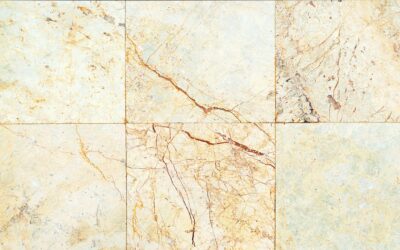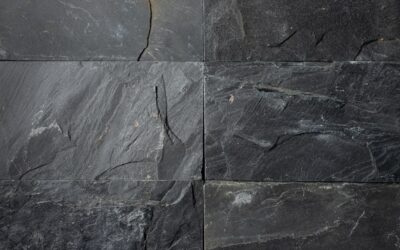
A slate backsplash brings something most tile can’t: genuine, earthy texture with deep natural color variation that no printed ceramic can fake. The cleft surface catches light differently across the day, and the gray, charcoal, rust, and green tones shift from one tile to the next. If you want a kitchen that feels grounded and handcrafted rather than glossy and uniform, slate deserves a serious look.
Part of our Kitchen Remodeling guide — explore the full guide →
It is a natural stone, though, which means it asks a little more of you than ceramic. This guide covers the styles, real-world costs, sealing, and care so you know exactly what you are signing up for.
What Makes Slate Different
Slate is a fine-grained metamorphic rock that splits naturally into thin, flat layers, a property called cleft. That natural split gives the tile its signature textured face, with subtle ridges and a soft sheen rather than a polished mirror finish. Because color comes from the minerals in the original sediment, every quarry, and often every tile, looks a little different.
Quality varies more than with manufactured tile. Premium slate is dense and hard, while softer, cheaper slate can flake or shed fine grit, sometimes called spalling. When you shop, run your hand across the surface and check the edges; dense, tight stone is worth the extra cost on a backsplash you will live with for decades.
Popular Slate Backsplash Styles
Slate is versatile enough to swing rustic or modern depending on format and layout. A few approaches show up again and again in well-designed kitchens.
- Natural cleft squares or subway: Classic 3×6 or 4×4 tiles that highlight slate’s texture in a clean grid.
- Mosaic sheets: Small slate chips mounted on mesh backing, ideal for curves and quick installs with rich tonal mixing.
- Stacked ledger panels: Thin strips of slate bonded into panels that create a dramatic, dimensional stone-wall look behind a range.
- Honed or gauged slate: Tiles ground to a flatter, more uniform surface for a tailored, contemporary feel that is also easier to wipe down.
- Multicolor blends: “California gold” and similar mixes that fold in warm rust and gold tones alongside the grays.
How Much a Slate Backsplash Costs
Pricing depends on the slate grade, the format, and whether you hire out the install. As a realistic estimate, slate tile materials typically run about $5 to $15 per square foot, with mosaic sheets and ledger panels often landing toward the higher end. A standard kitchen backsplash covers roughly 30 square feet.
Professional installation usually adds somewhere around $8 to $15 per square foot in labor, depending on your region and the complexity of the layout, outlets, and edges. Budget for sealer, thinset, and grout on top of the tile. For a typical backsplash, an all-in professional project often falls in the range of $600 to $1,200, while a careful DIY install can cut that close to material cost. Treat these as ballpark figures; get local quotes for an accurate number.
Sealing: The Step You Can’t Skip
Slate is porous, and a kitchen backsplash lives in a world of grease splatter, tomato sauce, and red wine. Sealing is what keeps those stains on the surface instead of soaking in, so plan to seal slate before grouting and again after.
Use a penetrating natural-stone sealer rated for slate, and always follow the manufacturer’s directions for coats and dry time. A pre-grout seal keeps grout haze from staining the textured face, and a final seal locks the whole surface. Most slate backsplashes benefit from resealing every one to three years, and there is an easy test: drip a little water on the stone, and if it darkens and absorbs rather than beading, it is time to reseal. Work in a ventilated kitchen and wear gloves when applying solvent-based sealers.
Installing a Slate Backsplash
Slate installs much like other tile, with a couple of natural-stone quirks. Because tiles vary in thickness and color, the prep and layout matter more than with uniform ceramic.
- Dry-lay tiles on the counter first to blend colors and avoid clustering the darkest or lightest pieces.
- Apply a pre-grout sealer to the tile faces and let them cure fully.
- Spread white thinset with a notched trowel; white mortar prevents dark thinset from showing through thin or translucent stone.
- Set tiles with consistent spacers, back-buttering any that vary in thickness to keep the face flush.
- Let the thinset cure, then grout, working it into the textured surface and wiping carefully.
- Apply a final sealer once the grout has cured.
If you are new to natural stone or working behind a range with tricky outlets, this is a project where hiring an experienced tile setter often pays off in a cleaner result.
Cleaning and Everyday Care
A sealed slate backsplash is surprisingly low-maintenance day to day. Wipe spills with a soft cloth and warm water, and for heavier grease use a cleaner made for natural stone. The textured surface actually hides smudges and water spots far better than glossy tile, which is part of slate’s practical appeal.
What you must avoid is acidic and abrasive cleaners. Vinegar, lemon, bleach, and gritty scouring powders etch and dull stone and break down sealer over time. Skip the magic erasers and scouring pads too. Stick to pH-neutral stone cleaners, and your backsplash will keep its depth for years.
Pros, Cons, and Who It Suits
Weighing the trade-offs helps you decide if slate is your material. The strengths are real, and so are the maintenance demands.
- Pros: Distinctive natural texture, rich color variation, hides smudges, durable when dense and sealed, timeless look.
- Cons: Requires sealing and resealing, can spall if low quality, uneven surface is harder to wipe than glass, color is hard to match later.
Slate rewards homeowners who appreciate natural materials and don’t mind a modest maintenance routine. If you want a zero-care, perfectly uniform surface, glass or porcelain may suit you better. But for a kitchen with warmth and character that ages gracefully, few backsplashes compete with the depth of real slate. Choose dense stone, seal it properly, clean it gently, and it will look as good a decade from now as the day it went up.