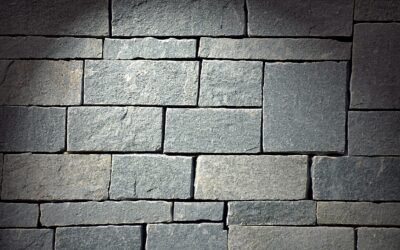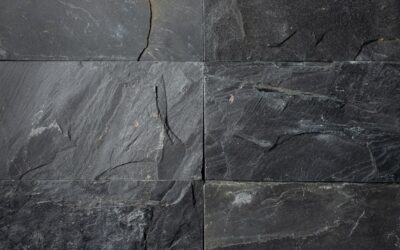
Slate is one of the few natural stone flooring materials that balances beauty, durability, and slip resistance without requiring a luxury-tier budget. Its natural cleft texture, rich color variation, and extreme hardness make it a popular choice for entryways, kitchens, mudrooms, and outdoor spaces. But slate comes with maintenance demands and installation challenges that other flooring types do not. Here is what to know before committing.
Part of our Tile & Grout guide — explore the full guide →
What Makes Slate Different
Slate is a metamorphic rock formed from compressed layers of clay and volcanic ash. This layered structure gives it several distinct properties:
- Natural cleft surface: Slate splits along its layers, creating a textured, slightly uneven surface. This texture provides natural slip resistance, making it one of the safest flooring options for wet areas.
- Color variation: No two tiles look the same. Colors come from mineral content — iron produces reds and purples, chlorite creates greens, carbon gives black and dark gray.
- Density and hardness: Slate rates 5.5 to 6.5 on the Mohs hardness scale, harder than marble (3 to 4) and comparable to granite (6 to 7).
- Low porosity: Quality slate absorbs very little water (typically less than 0.4%), making it suitable for wet areas when properly sealed.
Color Variations
Slate color depends heavily on the quarry source. Major color families include:
- Black/charcoal: The most classic slate look. Sourced primarily from Vermont, Pennsylvania, and Brazil. Pairs well with modern and traditional interiors.
- Gray: Ranges from silver to dark graphite. Common in slate from China and India. The most versatile color for matching existing decor.
- Green: From light sage to deep forest green. Vermont green slate is highly prized. Develops a subtle patina over time.
- Multicolor/rustic: Blends of copper, rust, gold, purple, and green in a single tile. Indian multicolor slate is the most common source. Creates a dramatic, earthy floor.
- Red/purple: Less common and often more expensive. Sourced from specific quarries in India and China.
Always buy slate from the same lot and lay out tiles before installation. Color variation between lots can be significant, and mixing lots creates an inconsistent floor.
Costs
Material Costs (2026)
- Budget slate (Chinese or Indian import): $3 to $7 per square foot
- Mid-range slate (Brazilian, select Indian): $6 to $12 per square foot
- Premium slate (Vermont, select Brazilian): $10 to $20 per square foot
- Gauged vs. ungauged: Gauged slate (machine-calibrated to uniform thickness) costs $1 to $3 more per square foot but is far easier to install
Installation Costs
- Professional installation: $6 to $15 per square foot for labor, including mortar and grout
- Total installed cost: $10 to $30 per square foot depending on slate quality and installation complexity
- DIY savings: Significant, but slate installation is harder than ceramic or porcelain due to thickness variations and cutting difficulty
Additional Costs
- Sealer: $15 to $40 per quart (covers 100 to 200 sq ft). Need to reseal every 1 to 3 years.
- Underlayment/backer board: $1 to $2 per square foot
- Threshold transitions: $20 to $50 per doorway
Pros of Slate Flooring
- Durability: Slate handles heavy foot traffic for decades. Properly installed and maintained slate floors in historic buildings have lasted over 100 years.
- Slip resistance: The natural cleft texture provides grip even when wet, making it safer than polished stone or glazed tile.
- Unique appearance: No manufactured tile replicates the depth and variation of natural slate. Each floor is one of a kind.
- Heat retention: Slate absorbs and retains heat, making it an excellent choice over radiant floor heating systems.
- Fire resistance: Completely non-combustible. Ideal for hearth surrounds and areas near fireplaces.
- Adds home value: Natural stone flooring is a selling point that buyers recognize.
Cons of Slate Flooring
- Maintenance: Requires periodic sealing to prevent staining. Unsealed slate absorbs liquids and oil, leaving permanent marks.
- Cold underfoot: Without radiant heating, slate floors feel cold, especially in winter. Rugs help in living areas.
- Hardness on joints: Standing on slate for long periods is tiring on feet, knees, and back. Not ideal for kitchens where you stand and cook frequently unless you use anti-fatigue mats.
- Installation difficulty: Ungauged slate varies in thickness by up to 1/4 inch, requiring extra mortar to level. Cutting requires a wet saw with a diamond blade. Heavy tiles are harder to handle.
- Chipping: The layered structure means edges can chip if struck by hard objects. Dropped heavy cookware or furniture dragged across the surface will cause damage.
- Weight: Slate flooring weighs 12 to 20 lbs per square foot installed. Verify that the subfloor structure can handle the load, especially on upper floors.
- Flaking: Low-quality slate (especially cheap imports) can delaminate and flake over time. Buy from a reputable supplier and inspect tiles before installation.
Sealing Slate
Sealing is non-negotiable for slate floors. There are two main sealer types:
Impregnating Sealers (Penetrating)
These soak into the stone and protect from within without changing the appearance. The slate retains its natural matte look. Best for most interior applications. Popular products: Miracle Sealants 511, StoneTech BulletProof, Aqua Mix Sealer’s Choice Gold. Reapply every 2 to 3 years.
Topical Sealers (Enhancing)
These sit on the surface and deepen the color, giving a “wet look” that highlights the slate’s color variation. They provide stronger stain protection but can make the surface slippery and wear unevenly in high-traffic areas. Reapply every 1 to 2 years.
Sealing Process
- Clean the slate thoroughly and let it dry completely (48 hours after installation).
- Apply sealer with a foam brush, roller, or sprayer in thin, even coats.
- Let the first coat soak in for 5 to 10 minutes, then wipe off excess.
- Apply a second coat after the first has dried (follow product timing).
- Allow full cure time (usually 24 to 72 hours) before foot traffic.
Indoor vs. Outdoor Use
Indoor Slate
Slate works in virtually any interior room. Best applications include entryways, mudrooms, kitchens, bathrooms, and hallways. In bathrooms, the natural slip resistance is a major advantage. Avoid very light-colored grout with dark slate — the contrast looks jarring and grout stains easily.
Outdoor Slate
Slate performs well outdoors but with conditions:
- Freeze-thaw resistance: Not all slate handles freeze-thaw cycles. Choose slate with a water absorption rate below 0.25% for cold climates. Vermont slate and select Brazilian slate perform well; some Indian and Chinese slate does not.
- Fading: Multicolor slate can fade in direct sunlight over several years. Black and gray slate hold their color best.
- Installation: Outdoor slate needs a concrete slab base with proper drainage slope. Do not install on sand or gravel — the tiles will shift and crack.
- Thickness: Use tiles at least 1/2 inch thick for outdoor applications. Thinner tiles crack under freeze-thaw stress.
Slate vs. Alternatives
- Slate vs. porcelain slate-look tile: Porcelain costs less ($2 to $8/sq ft), requires no sealing, and is easier to install. But it lacks the depth, texture, and uniqueness of real slate.
- Slate vs. travertine: Travertine is softer, warmer in tone, and more porous. Slate is harder, more slip-resistant, and lower maintenance.
- Slate vs. granite: Granite is harder and more stain-resistant but costs more and lacks slate’s natural texture. Polished granite is slippery when wet.
Cleaning and Maintenance
- Sweep or vacuum regularly to remove grit that can scratch the surface
- Mop with warm water and a pH-neutral stone cleaner (not vinegar, not bleach, not all-purpose cleaners)
- Blot spills immediately — sealed slate resists stains, but acidic liquids like wine, coffee, and citrus can etch the surface if left
- Reseal on schedule based on your sealer type and traffic level
- Use furniture pads under all legs
- Place mats at exterior doors to trap grit before it reaches the slate
With proper sealing and basic care, a slate floor is a 50-plus year investment. The upfront cost and maintenance are higher than engineered alternatives, but no manufactured tile matches the character of natural slate.
Large Slate Tile: Sizes, Layout and Installation Tips
Large slate tile usually means formats of 16 by 16, 18 by 18, 12 by 24 or 24 by 24 inches, and it suits open kitchens, entries and living areas where fewer grout lines make the floor look calmer. The trade-off is that big slate pieces demand a flatter subfloor, gauged tiles and more mortar coverage than standard 12 by 12 squares.
Common Large Slate Formats
| Size | Best Use | Things to Watch |
|---|---|---|
| 16 by 16 inches | Kitchens, mudrooms, medium rooms | Easier to handle and level than bigger squares |
| 18 by 18 inches | Living areas and open plans | Check that each tile in the box is flat before setting |
| 12 by 24 inches | Hallways and modern layouts | Limit the offset to about one third to reduce lippage |
| 24 by 24 inches | Large rooms and patios on a slab | Heavy, harder to cut, and may chip at corners in transit |
Choose Gauged Tiles for Big Formats
Ungauged slate can vary in thickness by up to 1/4 inch, which is manageable on small tiles but turns into uneven edges on large ones. For any tile over about 16 inches, buy gauged slate so the backs are calibrated. Large pieces also tend to cost toward the upper end of the price range for their grade, and waste runs higher because a single cracked or flaking tile means more lost material.
Setting Large Slate Tile
- Flatten the subfloor to within about 1/8 inch over 10 feet and 1/16 inch over 2 feet.
- Use a large and heavy tile mortar with a 1/2 inch notched trowel, and back-butter each tile for full contact.
- Lift a tile now and then to confirm coverage, especially at the corners.
- Consider a tile leveling clip system to keep edges even while the mortar cures.
- Cut with a wet saw and a diamond blade, and wear a respirator, since cutting stone releases fine silica dust.
Weight and Handling
A 24 by 24 inch slate tile can weigh roughly 20 to 30 pounds, and the floor overall falls in the same 12 to 20 pounds per square foot range as smaller slate. Two people should carry and set the biggest tiles, and upper floors need a structural check before you commit to a large format. Grout joints of about 1/4 inch help absorb small size differences between natural tiles.
Prefer to explore on your own?
See how new flooring looks in your actual room in seconds — free, no signup.
Try the free Floor Studio →