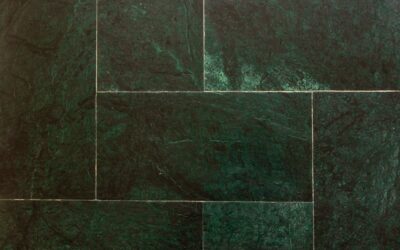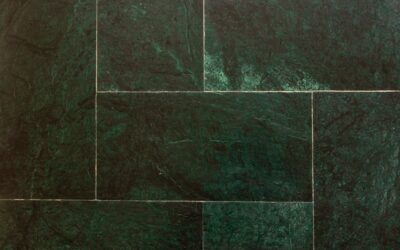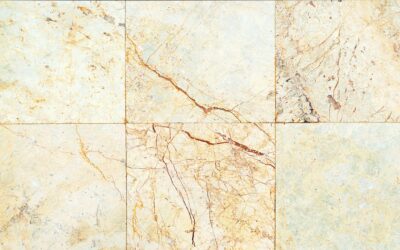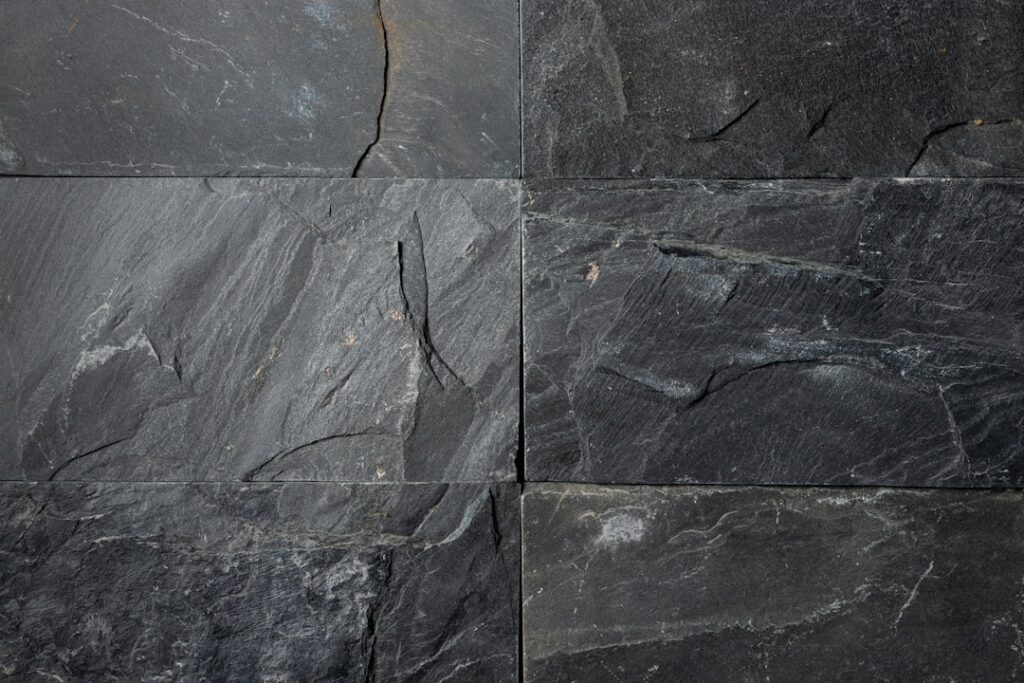
Slate shower tile brings natural, earthy texture to a bathroom that manufactured tile simply cannot replicate, with rich charcoal, rust, green, and gold tones running through every piece. Because slate is a real stone, though, it demands more informed care than porcelain, and understanding its strengths and limits before installation saves costly regret. This guide covers costs, sealing, slip resistance, and whether slate belongs on your walls, floor, or both.
Part of our Bathroom Remodeling & Flooring guide — explore the full guide →
- What Makes Slate Different From Ceramic and Porcelain
- Pros and Cons for Shower Use
- Where to Use Slate in the Shower
- Slate Shower Tile Costs
- Sealing: The Most Important Step
- Grout, Waterproofing, and Installation Details
- Cleaning and Long-Term Maintenance
- Is Slate Shower Tile Right for You?
- Popular Slate Colors and Where They Come From
- Slate vs. Porcelain Slate-Look Tile
What Makes Slate Different From Ceramic and Porcelain
Slate is a fine-grained metamorphic rock that splits into naturally textured layers, giving each tile a one-of-a-kind cleft surface. Unlike ceramic or porcelain, which are manufactured to uniform color and size, slate varies piece to piece, delivering organic depth prized in spa-style and rustic bathrooms.
That natural origin comes with trade-offs. Slate is porous, so it absorbs water and stains unless sealed, and it is softer and more prone to chipping at the edges than dense porcelain. It also arrives with slight thickness variations, which makes installation more demanding and labor more expensive than setting flat, calibrated tile.
Pros and Cons for Shower Use
Weighing the benefits against the drawbacks helps you decide if the maintenance suits your lifestyle.
- Pro: Natural slip resistance. The cleft, textured surface grips wet feet far better than glossy tile, a genuine safety advantage on shower floors.
- Pro: Hides dirt and water spots. Dark, mottled tones camouflage the soap film and mineral deposits that show instantly on white tile.
- Pro: Timeless, high-end look. Real stone reads as a premium material and rarely goes out of style.
- Con: Requires regular sealing. Left unsealed, slate absorbs moisture, breeds mildew, and stains.
- Con: Higher cost and labor. Both material and installation run more than standard tile.
- Con: Can flake or spall. Some lower-grade slate sheds thin surface layers over time.
Where to Use Slate in the Shower
Slate performs beautifully on shower walls, where water exposure is high but abrasion is low. On the shower floor, the textured surface offers excellent traction, but choose smaller tiles or mosaics so more grout lines add grip and the tile conforms to the slope toward the drain.
Many homeowners use large 12-by-12 or 12-by-24-inch slate on the walls and a coordinating 2-inch slate mosaic on the floor. If you love the look but worry about upkeep, consider a porcelain slate-look tile for the floor and reserve genuine slate for a feature wall or niche, cutting maintenance while keeping the aesthetic.
Slate Shower Tile Costs
Material pricing varies by grade and origin. Expect these general ranges:
- Standard slate tile: $4 to $10 per square foot.
- Premium or gauged slate: $10 to $20 per square foot.
- Slate mosaic sheets: $12 to $25 per square foot.
- Professional installation: $10 to $20 per square foot, higher than porcelain because of the extra care slate demands.
A typical shower surround of 90 to 110 square feet in mid-grade slate, professionally installed, commonly runs $2,500 to $5,000 including waterproofing, thinset, grout, and sealer. Always order 10 to 15 percent extra for cuts, breakage, and future repairs, since dye and quarry lots differ noticeably.
Sealing: The Most Important Step
Sealing is non-negotiable for slate in a wet environment. An unsealed shower will absorb water, darken unevenly, and grow mildew within weeks. Use a penetrating (impregnating) sealer designed for natural stone, which soaks in without changing the surface, or an enhancing sealer if you want to deepen and enrich the colors.
Apply the first coat before grouting to protect the porous surface, then a second coat after grout cures. In a shower, plan to reseal every 6 to 12 months, more often than a slate floor elsewhere in the home because of constant moisture. A simple test tells you when it is time: sprinkle water on the tile, and if it darkens or soaks in rather than beading, the sealer has worn off and needs reapplication.
Grout, Waterproofing, and Installation Details
Proper waterproofing behind the tile matters more than the tile itself. A quality membrane system or waterproof backer board prevents water from reaching the framing and causing rot or mold. Never install slate over ordinary drywall in a shower.
Choose a grout color that complements the stone’s darkest tones so it blends and hides staining; charcoal or dark gray works well with most slate. Because the cleft surface can trap grout, seal the tile before grouting and wipe carefully. Epoxy grout resists water and staining better than cementitious grout in showers, though it costs more and sets faster, so many pros charge extra to work with it.
Cleaning and Long-Term Maintenance
Daily care is simple once the stone is sealed. Squeegee the walls after showering to reduce mineral buildup, and clean weekly with a pH-neutral stone cleaner. Never use vinegar, bleach, or acidic bathroom sprays, which etch and dull natural stone and strip the sealer.
For deeper cleaning, a soft brush and stone-safe cleaner lift soap scum from the textured surface. Address any flaking promptly and reseal on schedule. With consistent care, slate develops a mellow patina rather than wearing out, and a well-installed slate shower can last decades.
Is Slate Shower Tile Right for You?
Slate rewards homeowners who value natural character and are willing to seal and maintain it, and it frustrates those hoping for a maintenance-free surface. If you want the look with less upkeep, high-quality porcelain that mimics slate has closed the gap dramatically and needs no sealing.
For a genuine, textured, spa-like retreat and a material that ages gracefully, real slate remains a beautiful choice. Budget for the sealing routine, hire an installer experienced with natural stone, and you will enjoy a shower with depth and warmth that manufactured tile can only imitate.
Popular Slate Colors and Where They Come From
Slate is quarried around the world, and its origin drives its color range and consistency. Brazilian and Chinese slates tend to be more affordable and come in multicolor blends of rust, gold, green, and gray. Vermont slate, prized in the United States, offers stable, non-fading tones in gray, green, purple, and black at a premium price.
Color choice affects both mood and practicality. Multicolor slate hides water spots and soap film exceptionally well and adds warmth to a bathroom, while solid charcoal or black slate creates a sleek, dramatic, spa-like backdrop. Be aware that some imported slate can be prone to fading or flaking, so ask your supplier about the tile’s stability and whether it carries a color guarantee before buying.
Slate vs. Porcelain Slate-Look Tile
Because maintenance is the biggest hesitation, many homeowners compare genuine slate against porcelain that imitates it. Real slate offers unmatched authentic texture and the subtle color variation of natural stone, but it needs sealing, can flake, and costs more to install.
Porcelain slate-look tile is fully waterproof, never needs sealing, resists chips better, and typically costs less to buy and set. The trade-off is that the pattern repeats across tiles and the surface, while textured, lacks the true random cleft of stone. A practical compromise many designers recommend is porcelain on the high-wear shower floor and real slate on a feature wall, giving you authenticity where you see it most and low maintenance where water pools.
Prefer to explore on your own?
See how new flooring looks in your actual room in seconds — free, no signup.
Try the free Floor Studio →