Slate is one of the oldest flooring materials still in regular use, and the humble 12-by-12-inch square remains its most popular format. 12 x 12 slate tile hits a sweet spot: big enough to cover ground fast, small enough to work around cabinets and fixtures, and priced within reach of most renovation budgets. Its natural cleft surface, earthy color range, and genuine grip make it a favorite for entryways, kitchens, and patios. This guide covers colors, real costs, the sealing you can’t skip, and how to install and maintain it.
Part of our Tile & Grout guide — explore the full guide →
Why the 12×12 Format Stays Popular
The 12×12 square is the workhorse size of natural stone. One tile covers exactly one square foot, which makes estimating dead simple — a 200-square-foot room needs about 200 tiles plus 10 percent for cuts and waste. The format is forgiving for DIY installers because there’s less weight per piece than large-format slabs and the grid layout is easy to keep straight. It also suits slate’s natural thickness variation better than oversized tiles, where lippage between uneven edges becomes glaring.
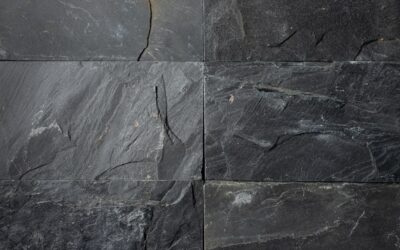
Slate is a metamorphic stone that splits along natural planes, giving it that textured, layered “cleft” face. Because it’s genuinely riven rather than machine-smoothed, every 12×12 tile has slightly different thickness, ridges, and color — which is exactly the rugged appeal, but also why installation takes a bit more care than uniform porcelain.
Slate Colors and Finishes
Slate’s color comes from its mineral content, and the range is wider than most people expect:
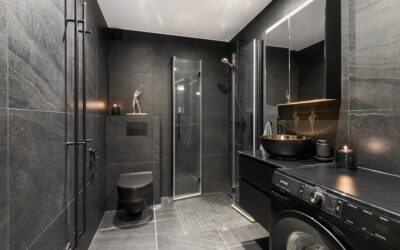
- Black and charcoal: Sleek and modern, hides dirt well, dramatic against light cabinets.
- Gray and silver: Neutral and versatile, the most common choice for contemporary spaces.
- Multicolor / “autumn”: Rusts, golds, greens, and purples in a single batch — the classic rustic slate look.
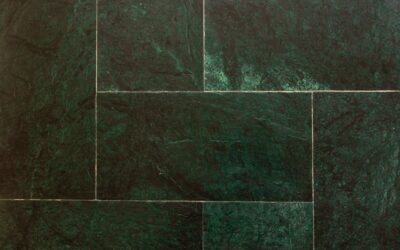
- Green and copper: Regional slates with distinctive earthy tones for statement floors.
Finish matters too. Natural cleft leaves the riven texture intact and offers the best slip resistance. Honed slate is ground smooth and flat for a cleaner, more uniform look. Tumbled slate has softened, rounded edges for an aged appearance. For floors, natural cleft or honed are the usual picks; save polished surfaces for low-traffic walls.
Best Places to Use 12×12 Slate
Slate earns its keep in high-traffic and wet areas thanks to its natural grip and hardness. Entryways and mudrooms benefit from its ability to hide dirt and shrug off wet boots. Kitchens like its durability and heat resistance near ranges. Bathrooms and shower floors use its slip-resistant cleft texture, and covered patios take advantage of its weather tolerance in freeze-safe grades.
Two cautions. First, slate is hard and cold underfoot, so pair it with radiant heat in bedrooms or a bathroom you walk barefoot in. Second, some soft slates flake or “spall” — shed thin surface layers — especially cheaper imported stock. Ask for a dense, low-absorption grade if the floor will see heavy traffic, and avoid budget slate for exterior freeze-thaw climates.
What 12 x 12 Slate Tile Costs
Slate is one of the more affordable natural stones, though quality varies with price:
- Budget imported slate: $2 to $4 per square foot
- Mid-grade natural cleft slate: $4 to $8 per square foot
- Premium dense or specialty-color slate: $8 to $15 per square foot
Professional installation adds $7 to $14 per square foot, a little more than porcelain because uneven tiles take longer to set flat. For a 150-square-foot entry and kitchen area in mid-grade slate with pro installation, plan on roughly $1,800 to $3,300 including sealer. DIY installation can cut that by 40 to 50 percent if you own or rent a wet saw with a diamond blade — slate must be wet-cut to avoid shattering.
Installation Notes for Slate
Slate’s natural variation is the whole challenge. A few steps keep the job clean:
- Dry-lay and sort first. Open every box and spread the tiles out. Blend colors across the floor and cull any badly warped or thin pieces before you set thinset.
- Use a medium-bed or leveling thinset. Because thickness varies, a medium-bed mortar lets you build up under thin tiles to keep the surface flush and reduce lippage.
- Seal before grouting. The rough cleft face grabs grout haze and won’t release it. A pre-grout coat of penetrating sealer is essential.
- Back-butter and beat in. Full thinset coverage prevents hollow spots that crack under load, and gently tapping each tile with a rubber mallet seats it evenly.
Grout joints of 1/8 to 1/4 inch suit slate’s irregular edges. A charcoal or earth-tone grout blends with multicolor slate; a stark contrast highlights every size difference, so pick a color that recedes.
Sealing, Cleaning, and Care
Slate is porous and must be sealed to resist stains and water. Apply a penetrating sealer before grouting, again after the grout cures, and reapply to floors every 1 to 2 years. Many owners add an enhancing sealer that deepens slate’s colors and gives a low sheen — a nice option for multicolor floors that can look dull when dry.
For daily care, sweep or vacuum grit that would scratch the surface, then damp-mop with a pH-neutral stone cleaner. Skip vinegar, citrus, and acidic products, which etch and strip sealer. Wipe spills promptly, and for a spalling tile, a matching sealer coat usually stabilizes minor flaking. With regular sealing and gentle cleaning, a 12×12 slate floor easily lasts 25 years or more.
Pros and Cons at a Glance
- Pros: Naturally slip-resistant, durable and hard-wearing, hides dirt, affordable for natural stone, unique color and texture in every tile, easy 1-tile-per-square-foot estimating.
- Cons: Requires sealing, cold and hard underfoot, thickness variation complicates installation, cheaper grades can flake, and it must be wet-cut.
If you want the character of natural stone without a luxury price tag, 12×12 slate is one of the best values on the market — just buy a dense grade and commit to the sealing routine.
Common Questions About 12×12 Slate Tile
How much slate do I need for my room? Because each 12×12 tile covers exactly one square foot, calculating quantity is easy: measure the room’s square footage and add 10 to 15 percent for cuts, waste, and future repairs. Slate’s natural variation means keeping a few extra tiles from the same lot is smart insurance against a discontinued color.
Why does my slate tile flake? Surface flaking, called spalling, happens with softer, lower-density slate as thin layers separate along the natural cleft. It’s most common in cheap imported stock and freeze-thaw exposure. A quality dense slate rarely spalls, and a penetrating sealer helps stabilize minor flaking on tiles already installed.
Can I install slate over radiant heat? Yes, and it’s an excellent pairing. Slate is a natural conductor and retains warmth well, which offsets its cold, hard feel underfoot. Just use a thinset rated for heated floors and follow the heating system’s cure-and-ramp-up schedule before turning it up.
Final Word
For homeowners who want rugged, good-looking natural stone at a reasonable price, 12 x 12 slate tile is hard to beat. Choose a quality grade, sort and blend your tiles, use a leveling mortar to tame the thickness variation, and keep it sealed — do that, and you’ll have a warm, textured floor that stands up to decades of muddy boots and heavy traffic.
Prefer to explore on your own?
See how new flooring looks in your actual room in seconds — free, no signup.
Try the free Floor Studio →