Of all the materials you can put over your head, few rival the longevity of natural stone. A slate tile roof is among the most durable and beautiful roofing systems available, with quarried natural slate that can protect a home for a century or more. But that performance comes with real trade-offs in weight, cost, and installation complexity. This guide covers what slate roofing offers, what it demands, and the important safety reasons it belongs in professional hands.
Part of our Roofing guide — explore the full guide →
- What a Slate Tile Roof Is
- The Major Advantages
- The Serious Considerations
- What a Slate Tile Roof Costs
- Safety: Why This Is Not a DIY Job
- Installation and Maintenance Basics
- Natural Slate vs Synthetic Slate
- Signs Your Slate Roof Needs Attention
- Is a Slate Tile Roof Right for You?
- Climate and Performance
- Bottom Line
What a Slate Tile Roof Is
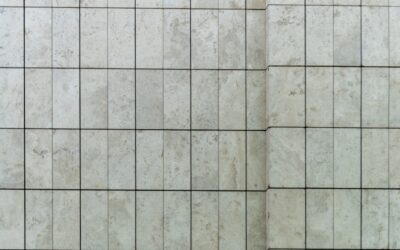
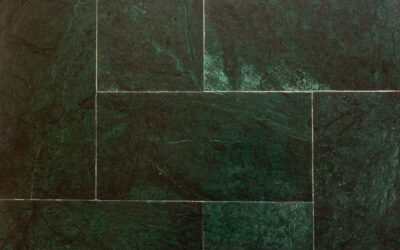
Slate roofing tiles are thin, flat pieces split from natural slate, a fine-grained metamorphic stone quarried from the earth. Each tile is fastened individually to the roof deck, overlapping the courses below to shed water. Natural slate comes in shades of gray, black, green, purple, and red depending on its source, and it weathers gracefully over decades rather than degrading like asphalt shingles.
The Major Advantages
- Exceptional longevity: A well-installed slate roof can last 75 to 100-plus years, often outliving the building’s other components.
- Fire resistance: Natural stone is noncombustible, an advantage in fire-prone regions.
- Weather durability: Slate resists rot, insects, and freeze-thaw cycling.
- Timeless beauty: The natural color variation and texture suit historic and high-end homes.
- Low long-term waste: Lasting a century means far fewer tear-offs than asphalt’s 20-year cycle.
The Serious Considerations
Slate’s biggest practical challenges are weight and cost. Natural slate is extremely heavy, often weighing 800 to 1,500 pounds per 100 square feet, several times more than asphalt shingles. Many homes cannot support that load without structural reinforcement of the framing, so a structural evaluation is a mandatory first step. Slate is also brittle, and individual tiles can crack if walked on incorrectly, which makes repairs and any rooftop work a job for specialists.
What a Slate Tile Roof Costs
Slate is a premium material with premium pricing. Installed costs commonly range from $15 to $40 or more per square foot, meaning a typical roof can run well into the tens of thousands of dollars, far above asphalt or even most metal roofing. The high cost reflects the material price, the structural requirements, and the specialized labor. Synthetic and composite slate-look products offer a lighter, less expensive alternative for homeowners who want the look without the full weight and cost.
Safety: Why This Is Not a DIY Job
This deserves emphasis. A slate tile roof is dangerous to work on, and installation or repair should always be handled by a licensed, experienced roofing contractor. There are two main reasons. First, slate roofs are typically steep, and steep, hard, brittle surfaces present a serious fall hazard; falls from roofs cause severe and fatal injuries every year. Second, slate cracks under improper foot traffic, so walking on it without the right technique and equipment both endangers you and damages the roof. Professional roofers use fall-arrest harnesses, roof jacks, ladders, and proven methods that keep both the worker and the tiles safe.
Installation and Maintenance Basics
A proper slate installation starts with a structural assessment, then quality underlayment, corrosion-resistant fasteners like copper or stainless steel, and careful flashing at valleys, chimneys, and penetrations. Because the tiles last so long, the flashing and fasteners often need attention before the slate itself does. Maintenance is minimal: have a professional inspect periodically, replace any cracked or slipped tiles promptly, and keep gutters clear. Never pressure wash slate, which can damage the surface and force water under the tiles.
Natural Slate vs Synthetic Slate
Homeowners drawn to the slate look but wary of the weight and cost increasingly consider synthetic alternatives. Composite and polymer slate-look tiles weigh far less than natural stone, often allowing installation without structural reinforcement, and they cost considerably less while resisting the cracking that plagues brittle natural slate. The trade-off is longevity and authenticity: genuine quarried slate can last a century, while synthetics typically carry warranties measured in decades. For a historic restoration or a forever home, natural slate is unmatched; for many homeowners, a quality synthetic delivers most of the look with fewer demands.
Signs Your Slate Roof Needs Attention
- Slipped or missing tiles: Individual slates can work loose; replace them promptly to prevent leaks.
- Cracked tiles: Often caused by improper foot traffic or impact; a roofer can swap them.
- Failing flashing: Metal flashing at valleys and chimneys usually wears out before the slate.
- Rusting or loose fasteners: Old fasteners can fail, letting tiles slide even when the slate is sound.
- Interior leaks or staining: Any water intrusion warrants a professional inspection.
Because diagnosing and fixing these issues means working on a steep, brittle, high surface, leave the inspection and repair to a licensed roofer with proper fall protection.
Is a Slate Tile Roof Right for You?
Slate makes the most sense for homeowners planning to stay long term, owners of historic or high-value homes, and anyone who values a roof that may never need replacing in their lifetime. If budget or structural capacity is a concern, synthetic slate delivers much of the look at a lighter weight and lower cost. Either way, the decision should involve a qualified roofer who can assess your structure.
Climate and Performance
Slate performs well across a wide range of climates, which is part of its long-standing appeal. It handles freeze-thaw cycles, heavy rain, high winds, and intense sun without degrading the way asphalt does, and its noncombustible nature is a real advantage in wildfire-prone regions. In areas with significant snow load, the heavy slate roof must be matched with framing rated to carry both the tile weight and seasonal snow, another reason a structural assessment comes first. Proper installation with quality underlayment and flashing ensures the system sheds water reliably for decades. As with any roof, the steep pitch common to slate means snow and ice work should always be handled cautiously and, ideally, by professionals.
Bottom Line
A slate tile roof offers unmatched longevity, fire resistance, and classic beauty, but it demands a strong structure, a substantial budget, and professional installation. Its weight and brittleness, combined with the steep-roof fall hazard, mean this is firmly a licensed-roofer project, never a DIY one. For the right home and owner, a slate roof is a once-in-a-lifetime investment that pays back in decades of protection.