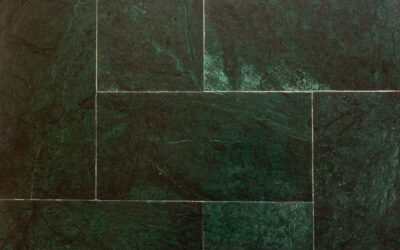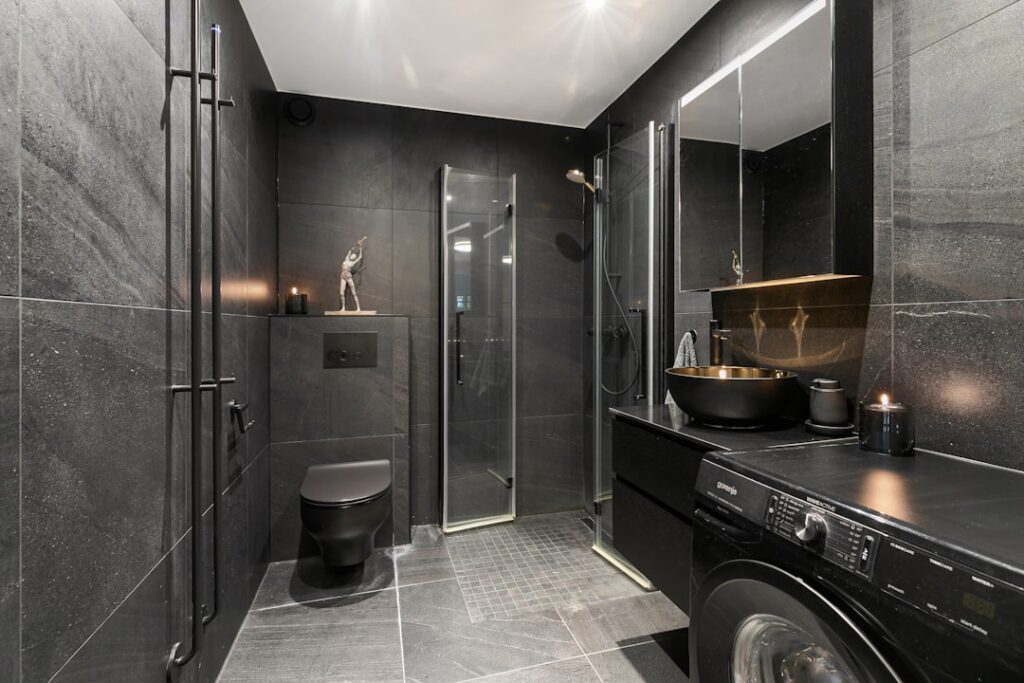
Few materials turn a plain bathroom into a spa-like retreat the way natural slate does. A slate tile bathroom brings rich earth tones, subtle texture, and a hand-split surface that no printed porcelain can fully imitate. But slate is a natural stone with real quirks, and treating it like ceramic is how homeowners end up with stained grout and flaking tiles. This guide walks through what makes slate a strong bathroom choice, where it can trip you up, and how to install and maintain it so it lasts decades.
Part of our Bathroom Remodeling & Flooring guide — explore the full guide →
Why Choose Slate for a Bathroom
Slate is a dense, fine-grained metamorphic stone, which means it is naturally hard and stands up well to foot traffic and moisture when properly sealed. The colors are the main draw: charcoal, deep gray, rusty copper, plum, green, and multicolor blends that shift in the light. Because each tile is unique, a slate floor reads as warm and organic rather than uniform and manufactured.
There is also a practical upside. The natural cleft texture of slate gives it grip underfoot, which matters in a wet room. Compared with polished marble or large-format porcelain, a textured slate floor is far less slippery when soapy water hits it. That combination of looks and traction is exactly why designers keep specifying slate for showers and bathroom floors.
Types of Slate to Know
Not all slate behaves the same, and the variety you pick affects durability and cost:
- Gauged slate: machine-calibrated to a consistent thickness, easier to install with thin-set and a level finish.
- Ungauged (natural cleft) slate: varying thickness and a more rustic, uneven surface that needs a skilled hand to set flat.
- Honed slate: ground to a smooth, matte finish, elegant but more slippery and best kept off wet floors.
- Brazilian and Indian slate: generally dense and durable; some Chinese slate is softer and more prone to flaking, so ask about origin.
For floors and shower pans, a cleft or gauged slate with good density is the safe bet. Save honed slate for walls and accent niches where slip resistance matters less.
Slip Resistance and Where to Use Slate
Slate’s textured face is one of its best safety features, but placement still matters. On the bathroom floor and shower base, the natural cleft surface provides excellent traction. On walls, a honed or smoother slate looks refined and is fine since no one stands on it. If you love the smooth look but want it underfoot, pair smaller floor tiles with more grout lines, because grout joints add grip and break up slick surfaces.
For a curbless or wet-room layout, slate’s grip is a genuine advantage over polished stone. Just confirm the specific tile’s slip rating with your supplier if anyone in the household has mobility concerns.
Sealing Is Non-Negotiable
Here is the rule that saves slate bathrooms: slate is porous and must be sealed. Unsealed slate absorbs water, soap, and minerals, which leads to staining, white haze, and freeze-related flaking in cold climates. Plan to seal in two stages.
- Before grouting: apply a penetrating sealer so grout haze does not soak into the stone and stain it.
- After grouting: apply a second coat of penetrating sealer, and consider an enhancing sealer if you want to deepen the colors and add a soft sheen.
Use a quality impregnating sealer rated for natural stone. In a wet bathroom, expect to reseal every one to three years; test by dripping water on the tile, and if it darkens or soaks in rather than beading, it is time to reseal. Keep the original product on hand so you are not guessing later.
Installation Basics
Slate is heavier and less forgiving than ceramic, so the substrate matters more. On floors, install over a cement backer board or an uncoupling membrane like Schluter Ditra to handle movement and prevent cracking. In showers, the waterproofing layer behind the tile is what actually keeps water out of the wall, so do not rely on the stone alone.
A few field tips that keep the job clean:
- Dry-lay tiles first to blend colors and thicknesses across the room.
- Use a white or natural thin-set with dark slate to avoid shadowing, and back-butter ungauged tiles to bed them flat.
- Choose an unsanded or fine sanded grout in a color that complements the multicolor tones; gray and charcoal grouts hide soap and dirt well.
- Seal before grouting as noted above, and wipe grout haze promptly.
What a Slate Bathroom Costs
Slate tile itself typically runs from about $4 to $10 per square foot for common varieties, with premium or large-format pieces costing more. Installed, expect a total in the range of roughly $12 to $25 per square foot once you factor in waterproofing, backer board, thin-set, grout, sealer, and skilled labor, since natural stone takes longer to set than ceramic. A small powder room can be a reasonable DIY weekend; a full wet-room shower is usually worth hiring a tile pro to waterproof correctly.
Care and Cleaning
Slate is low-maintenance once sealed, but it is fussy about chemicals. Clean with a pH-neutral stone cleaner or a few drops of mild dish soap in warm water. Never use vinegar, lemon, bleach, or acidic bathroom cleaners, which etch and dull natural stone over time. Wipe up standing water in the shower, squeegee glass and tile after use, and run the exhaust fan to control humidity. A soft dust mop between washes keeps grit from scratching the surface.
The Bottom Line
A slate tile bathroom delivers natural color, real texture, and reliable slip resistance that manufactured tile struggles to match. The catch is upkeep: seal it properly, reseal on schedule, and clean it with stone-safe products. Handle those basics, and slate rewards you with a warm, durable, genuinely one-of-a-kind bathroom that looks better than the day it was installed.
Prefer to explore on your own?
See how new flooring looks in your actual room in seconds — free, no signup.
Try the free Floor Studio →