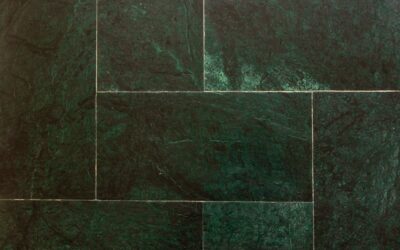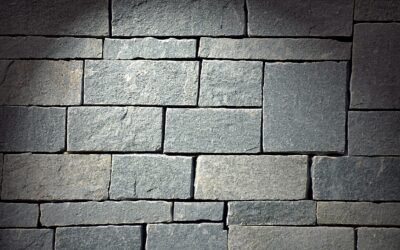
For homeowners who want the rugged beauty of natural stone in an easy-to-manage size, 12×12 slate tile hits a sweet spot. The one-foot square is small enough to handle solo, simple to estimate, and available in the full range of slate’s dramatic colors, from charcoal to multicolor copper and green. Slate brings texture, slip resistance, and genuine stone character that manufactured tile can only imitate. This guide covers what to expect from 12×12 slate, what it costs, how to figure coverage, and how to install and maintain it so it lasts for decades.
Part of our Tile & Grout guide — explore the full guide →
What Makes Slate Special
Slate is a metamorphic stone that naturally splits into thin, flat layers, which gives it a cleft, textured surface right off the quarry line. That texture is not just for looks. The subtle ridges provide traction underfoot, making slate a smart choice for entryways, mudrooms, and other spots that see wet shoes. Because the color runs through the stone, wear does not reveal a different-colored core the way it can with printed products.
Each tile is unique. Natural color variation means no two slate tiles are identical, and that variation is exactly what gives a finished floor its depth and organic appeal.
Slate Colors and Finishes
The 12×12 format comes in slate’s full palette. Understanding the options helps you match the tile to your space:
- Black and charcoal: Dramatic and modern, though it shows dust and water spots more readily.
- Multicolor and rustic blends: Warm mixes of rust, gold, green, and gray that hide dirt well.
- Gray and green: Softer, more uniform tones for a calmer look.
Most slate has a natural cleft finish, but some tiles are honed smooth for a more refined, uniform surface. Cleft slate offers more grip; honed slate is sleeker but slightly slicker when wet.
Cost of 12×12 Slate Tile
Slate is a mid-priced natural stone, more affordable than marble but pricier than basic ceramic. Budget with these figures:
- Slate tile material: $3 to $10 per square foot depending on grade and color.
- Installation: $8 to $18 per square foot including thinset, grout, sealer, and labor.
- Sealer and supplies: $50 to $200 for a typical room if you DIY the finishing.
A 120-square-foot entry or bathroom might total $1,300 to $3,400 installed with mid-grade slate. Ungauged slate costs less but has uneven thickness, which adds labor because the installer must build up the mortar bed to level each tile.
Calculating How Much You Need
The 12×12 size makes math easy, since one tile equals one square foot. Measure the room’s length by width in feet to get square footage, then add a waste allowance for cuts, breakage, and culling mismatched pieces:
- Straight grid layout: add 10%.
- Diagonal layout: add 15% to 20%.
- Natural stone color culling: add an extra 5% so you can set aside pieces that clash.
Buy all your slate from the same lot and open several boxes at once so you can blend the natural variation across the floor rather than ending up with color clusters.
Installation Basics
Slate demands a solid, flat, and rigid subfloor because stone cracks when the floor flexes. Over a wood subfloor, most installers add cement backer board or a decoupling membrane to create a stable base. On concrete, a crack-isolation membrane guards against movement telegraphing up through the tile.
Set the tile in a quality thinset, back-buttering each piece for full coverage, especially with ungauged slate that has an irregular back. Because slate texture varies, dry-lay a section first to plan the layout and blend colors. Wipe grout haze promptly, since slate’s textured surface grabs grout and it is far harder to remove once cured. A wet saw with a diamond blade makes clean cuts; a snap cutter will not handle stone reliably.
Sealing and Maintenance
Slate is porous and must be sealed to resist stains and moisture. The standard approach is to apply a penetrating sealer before grouting, then a second coat after the grout cures. An enhancing sealer deepens the color for a richer, permanently-wet look, while a natural-finish sealer preserves the stone’s matte appearance.
- Reseal every one to two years in high-traffic areas, or when water stops beading.
- Clean with a pH-neutral cleaner; avoid vinegar, bleach, and acidic products that etch stone and strip sealer.
- Sweep or vacuum regularly to keep grit from wearing the surface.
With sealing kept up, slate is genuinely durable and forgiving, hiding scuffs and dirt far better than a glossy tile.
Gauged Versus Ungauged Slate
When shopping for 12×12 slate, you will see it sold as gauged or ungauged, and the difference affects both price and installation. Gauged slate is machined to a uniform thickness on the back, so it drops into a standard thinset bed and lays up more evenly. Ungauged slate keeps its natural, variable thickness, delivering a more rustic look but requiring the installer to adjust the mortar under each piece to keep the surface level.
Gauged tile costs a little more but saves labor and produces a flatter floor, which matters if you want a smooth walking surface. Ungauged tile is cheaper per square foot and appeals to those who love an authentically uneven, hand-laid appearance. Factor the added setting time for ungauged stone into any installation quote or DIY timeline.
Comparing Slate to Slate-Look Porcelain
Before committing to natural stone, it is worth weighing the porcelain alternative that mimics slate. Each has clear strengths:
- Natural slate: Genuine texture, unique color variation, and real stone character, in exchange for sealing and periodic maintenance.
- Slate-look porcelain: No sealing, very consistent sizing, excellent water resistance, and lower long-term upkeep, but it lacks the one-of-a-kind depth of real stone.
If you want the authentic material and enjoy the patina it develops, natural 12×12 slate is the right call. If you prefer a set-and-forget floor and do not mind a reproduction, porcelain gives you a similar look with far less maintenance. Both are durable; the decision comes down to authenticity versus convenience.
Best Rooms for 12×12 Slate
Slate’s grip and hard-wearing surface make it ideal for entryways, mudrooms, kitchens, bathrooms, and laundry rooms. It also works beautifully on a hearth or fireplace surround, where its natural, fireproof character fits right in. The 12-inch size suits medium and smaller rooms especially well, where a larger tile would mean too many cuts. In big open spaces, some homeowners prefer larger formats to reduce grout lines, but the 12×12 remains a classic for good reason.
One characteristic to expect with new slate is a bit of surface flaking, sometimes called spalling, as loose fragments shed from the cleft face during the first weeks of use. This is normal for natural cleft stone and usually settles down on its own; a light sweep and a coat of sealer help it along. If a tile flakes excessively or feels crumbly, though, that points to a low-grade stone, which is one more reason to buy quality slate from a reputable supplier rather than chasing the lowest price per square foot.
The Bottom Line
12×12 slate tile pairs the timeless beauty of natural stone with a manageable, easy-to-estimate size. You get real texture, slip resistance, and color that no printed tile can fully match, in exchange for a modest sealing and maintenance routine. Choose a quality stone, build it on a flat and rigid base, seal it before and after grouting, and keep up with simple care. Do that, and a slate floor will reward you with rugged, natural character that only improves with age.
Prefer to explore on your own?
See how new flooring looks in your actual room in seconds — free, no signup.
Try the free Floor Studio →