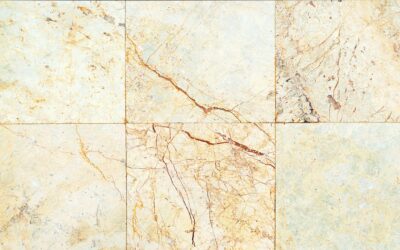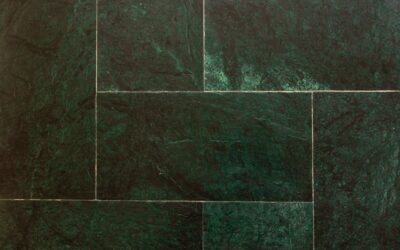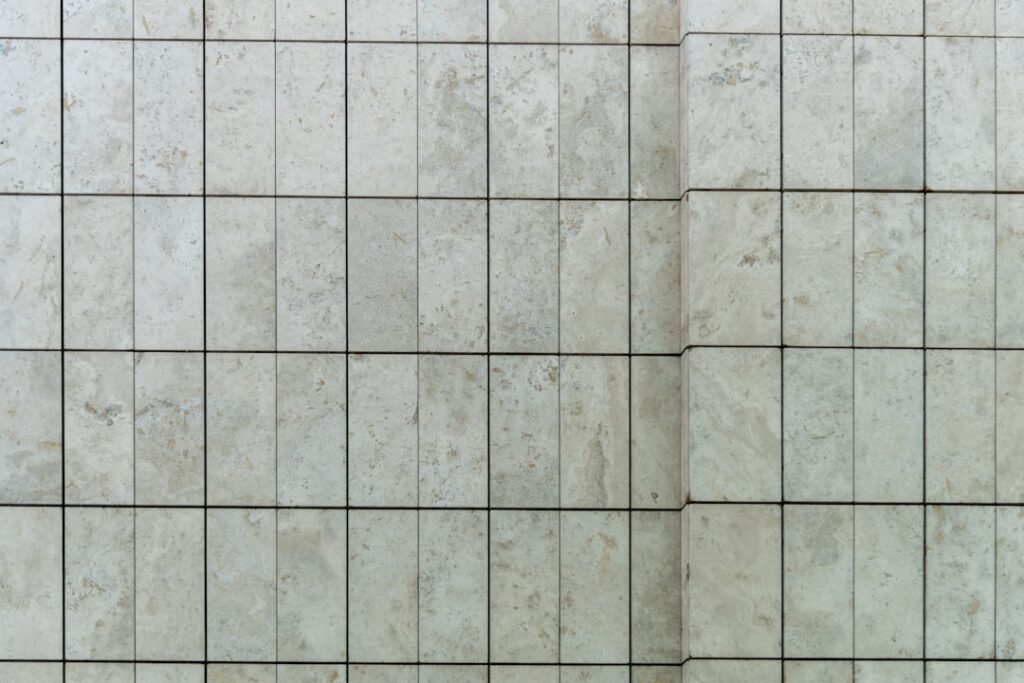
Few flooring materials carry the quiet, grounded elegance of natural stone, and gray slate tile is one of the most versatile of them all. Split from real metamorphic rock, each tile has a naturally cleft surface, subtle color shifts from silver to charcoal to blue-gray, and a texture you can feel underfoot. It works in a rustic mountain cabin and a sleek modern kitchen alike, indoors and out, which is why homeowners keep coming back to it. But slate is a natural material with real quirks, and knowing them before you buy is the difference between a floor you love and one that flakes and stains.
Part of our Tile & Grout guide — explore the full guide →
What Gray Slate Tile Is
Slate is a fine-grained natural stone formed from clay and volcanic ash compressed over millions of years. It splits into thin, flat layers, which is why it makes such a natural flooring and roofing material. Gray slate specifically ranges from pale silvery gray through mid-tone pewter to deep, near-black charcoal, often with hints of green, blue, or rust running through it. That color variation is the whole appeal; no two tiles are identical, and a finished floor has a depth and movement that manufactured tile cannot fully replicate. The surface is typically left in its natural cleft state, giving a slightly uneven, textured face, though some slate is honed smooth or gauged flat on the back for easier setting.
Styles and Finishes
Gray slate comes in several looks depending on how it is finished and cut.
- Natural cleft: The classic textured surface with natural ridges and clefts. Great grip, rustic character.
- Honed: Ground to a smooth, matte finish for a more refined, contemporary look.
- Tumbled: Softened edges and a weathered feel, popular for a more antique appearance.
- Gauged vs. ungauged: Gauged tiles have a flattened back for even setting; ungauged require more mortar work to level.
Common sizes run from small 6×6 and 12×12 tiles up to 16×16 and larger format pieces, plus mosaic sheets for shower floors and accent walls. Multicolor gray slate blends silver, charcoal, and hints of other tones, while more uniform grays give a cleaner, calmer surface.
Where Gray Slate Tile Works Best
Slate is a genuine do-it-all stone. Indoors, it is a favorite for entryways, mudrooms, kitchens, and bathrooms because its texture hides dirt and provides natural slip resistance, exactly what you want where water and grit come through the door. Its cleft surface makes it one of the grippiest tile options for wet areas, which is why it shows up on shower floors and around pools. Outdoors, slate handles patios, walkways, and porch floors beautifully in milder climates, and its natural traction is a real safety benefit on exterior steps. In freezing climates, though, you must choose a dense, low-absorption slate and seal it well, since porous slate can spall in freeze-thaw cycles.
What Gray Slate Tile Costs
Slate sits in the mid-range of natural stone, generally more affordable than marble but pricier than ceramic. Expect these rough figures:
- Slate tile material: $4 to $10 per square foot, with premium and large-format pieces higher.
- Professional installation: $7 to $15 per square foot in labor, more for intricate layouts or uneven ungauged tile.
- Sealer: $20 to $40 per bottle, covering a few hundred square feet.
- A 150 sq ft entry or kitchen: roughly $1,600 to $3,700 installed.
Installation runs a bit higher than for ceramic because natural cleft slate has an uneven surface and thickness that takes more skill and mortar to set flat. Budget for that, and remember to order about 10 to 15 percent extra to account for breakage and color matching.
Pros and Cons
Slate’s strengths are considerable. It is genuinely durable, standing up to heavy traffic for decades when sealed and cared for. Its natural texture provides excellent slip resistance, and its dark gray tones hide dirt, scratches, and wear far better than light flooring. Each installation is one of a kind thanks to the natural color variation, and slate holds and radiates heat well, making it a great pairing with radiant floor heating. It is also naturally fire and water resistant.
The trade-offs matter too. Slate is porous, so it must be sealed and periodically resealed to prevent staining and moisture absorption. The natural cleft surface, while beautiful, can be uneven and slightly flaky at the surface layers, and lower-grade slate may shed thin flakes over time. It is hard and cold underfoot, unforgiving of dropped dishes, and heavier than ceramic, which can matter on upper floors. And because it is a natural product, quality varies widely between quarries and grades, so buying from a reputable supplier is important.
Sealing and Maintenance
Sealing is the key to a long-lasting slate floor. Apply a penetrating stone sealer after installation and before grouting on cleft slate, then again after grouting, and reapply roughly once a year in wet or high-traffic areas. A penetrating sealer preserves the natural matte look, while an enhancing or wet-look sealer deepens the grays and adds a subtle sheen. To test whether your seal is holding, drop water on the surface; if it beads, you are protected, and if it darkens the stone, it is time to reseal.
Day-to-day care is simple. Sweep or vacuum regularly to keep grit from scratching the surface, and mop with a pH-neutral stone cleaner rather than acidic or harsh chemicals, which can etch and dull slate. Avoid vinegar, bleach, and general-purpose cleaners. Wipe spills promptly, especially oil and wine on unsealed or lightly sealed areas, and your slate will keep its rich, textured character for the long haul.
Is Gray Slate Tile Right for You?
If you want a natural stone floor with genuine texture, excellent durability, and the kind of one-of-a-kind character that manufactured tile cannot fake, gray slate tile is an outstanding choice for entries, kitchens, baths, and patios. It hides dirt, grips underfoot, and pairs beautifully with almost any decor from rustic to modern. Just go in understanding that slate is porous and needs sealing, that it is hard and cold underfoot, and that quality varies by grade. Choose a dense tile from a reputable supplier, seal it properly, and clean it gently, and a gray slate floor will reward you with decades of natural beauty.
Prefer to explore on your own?
See how new flooring looks in your actual room in seconds — free, no signup.
Try the free Floor Studio →