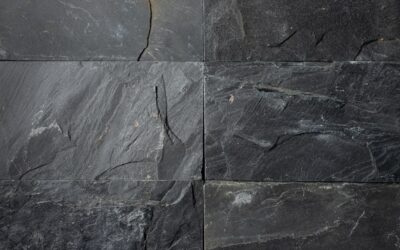
If you have admired the deep, layered gray of a European farmhouse floor or a slate roof that has weathered a century, you have likely seen ardesia. Ardesia tile is the Italian name for slate, a natural metamorphic stone prized for its rich color, cleft texture, and remarkable durability. It brings an earthy, timeless character that manufactured tile struggles to imitate, and it works indoors and out. This guide explains what ardesia is, where it excels, its trade-offs, real costs, and how to install and care for it.
Part of our Tile & Grout guide — explore the full guide →
- What Is Ardesia Tile?
- Finishes and Formats
- Where Ardesia Tile Works Best
- Pros and Cons of Ardesia
- What Ardesia Tile Costs
- Installing Ardesia Tile
- Sealing and Maintenance
- Design Looks With Ardesia
- Ardesia vs. Slate-Look Porcelain
- Grades and Quality of Slate
- Best Rooms for Ardesia Tile
- Is Ardesia Right for Your Home?
What Is Ardesia Tile?
Ardesia is simply the Italian word for slate. It is a fine-grained metamorphic rock formed from compressed clay and volcanic ash, split along natural planes into thin, strong layers. That layered structure is why slate can be “cleft” into tiles with a naturally textured surface. Ardesia specifically often refers to slate quarried in the Liguria region of Italy, long famous for dense, high-quality stone, though the term is used broadly for slate of similar character.
Colors range from charcoal and blue-gray to green, rust, purple, and multicolored blends, depending on the mineral content of the quarry.
Finishes and Formats
Slate comes in several surface finishes, each with a different look and feel:
- Natural cleft: The riven, textured surface created when the stone is split. Rustic and slip-resistant.
- Honed: Ground smooth to a matte, even surface. More contemporary and easier to clean.
- Gauged: Machined to a consistent thickness on the back for easier setting.
- Ungauged: Variable thickness, more rustic, requiring more skill and mortar to set flat.
Formats include standard square and rectangular tiles, large-format slabs, and irregular “crazy paving” pieces for patios and garden paths.
Where Ardesia Tile Works Best
Slate’s toughness and traction make it versatile. Indoors, it suits entryways, kitchens, mudrooms, and bathrooms, anywhere a durable, slip-resistant floor earns its keep. Its natural texture hides dirt and wear, which is a genuine advantage in busy households. Outdoors, ardesia excels on patios, pool surrounds, garden steps, and even as roofing and wall cladding, since it withstands frost, sun, and rain for generations. Its dark, grounded tones pair beautifully with both rustic and modern architecture.
Pros and Cons of Ardesia
Weigh the trade-offs before committing:
- Pros: Extremely durable, naturally slip-resistant, frost-proof, rich natural color variation, hides dirt well, and suitable indoors and out.
- Cons: Porous and requires sealing, can be brittle at edges if struck, cleft surfaces are uneven for furniture and cleaning, darker colors show dust and lint, and quality slate is a premium material.
Some lower-grade slate also sheds fine flakes early in its life, called spalling, so buying quality stone from a reputable source matters.
What Ardesia Tile Costs
Slate spans a broad price range depending on origin and finish:
- Standard slate floor tile: $4 to $10 per square foot.
- Premium Italian or select-grade ardesia: $10 to $25 per square foot.
- Large-format slabs and specialty finishes: $15 to $40 per square foot.
- Sealer and setting materials: $1 to $3 per square foot.
- Professional installation: $8 to $18 per square foot, higher for ungauged or irregular stone.
Order 15 percent overage to allow for color blending and the occasional piece that splits during handling.
Installing Ardesia Tile
Slate demands a solid, flat, and rigid substrate because stone will crack over flex. Key steps include:
- Prep the substrate. Use cement backer board over a stiff subfloor, or a properly cured slab, with an uncoupling membrane recommended for larger areas.
- Dry-lay for color. Slate varies tile to tile, so lay out several boxes and blend colors before setting.
- Seal before grouting. Because natural cleft slate is porous and textured, applying a penetrating sealer before grouting keeps grout from staining the stone.
- Set in a full mortar bed. Back-butter tiles, especially ungauged pieces, to fill voids and support the stone fully.
- Grout and seal again. Grout the joints, clean thoroughly, then apply a final sealer coat once cured.
Sealing and Maintenance
Sealing is the heart of slate care. Because ardesia is porous, a penetrating sealer blocks water and stains, and a topical enhancing sealer can deepen the color to a wet-look richness. Reseal every one to three years depending on traffic and whether the tile is indoors or exposed to weather. For daily care, sweep or dust-mop to remove grit, then damp-mop with a pH-neutral stone cleaner. Avoid acidic or harsh cleaners that etch and strip sealer, and wipe spills promptly on unsealed or lightly sealed stone.
Design Looks With Ardesia
Slate’s natural depth lets it swing between very different styles depending on how you use it. In a rustic or farmhouse setting, natural cleft ardesia with its riven texture and multicolor blends pairs with reclaimed wood, wrought iron, and warm plaster for an aged, grounded feel. In a contemporary home, honed slate in a uniform charcoal reads sleek and architectural, especially in large formats with tight, matching grout lines. Outdoors, irregular slate paving winds through gardens and around pools with an organic, natural-stone character that manufactured pavers cannot replicate. Because slate ranges from near-black to rusty greens and purples, choosing a single-color batch gives a calm modern look while a multicolor blend delivers rustic movement.
Ardesia vs. Slate-Look Porcelain
Many homeowners weighing ardesia also consider porcelain printed to look like slate, so it helps to compare honestly:
- Authenticity: Real ardesia has genuine cleft texture and depth; porcelain is a convincing reproduction but uniform and printed.
- Maintenance: Slate needs sealing and gentle cleaners; slate-look porcelain needs no sealing.
- Durability: Both are tough, but porcelain resists staining and shrugs off spills that would mark unsealed stone.
- Cost: Porcelain is usually cheaper and more predictable; quality ardesia is a premium natural material.
- Character: Nothing matches the one-of-a-kind variation of real stone underfoot.
If you love the look but dread upkeep, porcelain is a smart compromise; if you want authentic stone and its living patina, ardesia is worth the extra care.
Grades and Quality of Slate
Not all slate performs equally, and buying wisely up front prevents disappointment later. Higher-grade slate is dense, hard, and stable, holding together for generations, while cheaper, softer slate can flake and shed thin surface layers, a process called spalling, especially in its first year. When shopping, ask about the stone’s origin and density, look at samples for tight, well-bonded layers rather than crumbly edges, and favor gauged tiles of consistent thickness for interior floors where easy setting and a flat result matter. Multicolor “rustic” blends hide wear and dirt beautifully but vary tile to tile, so buy from a single production run and blend boxes as you lay. Investing a bit more in quality slate rewards you with a floor that ages into richness instead of falling apart.
Best Rooms for Ardesia Tile
Slate’s toughness and traction suit specific rooms particularly well:
- Entryways and mudrooms: The textured surface hides grit and grips wet shoes.
- Kitchens: Durable and heat-tolerant, with natural color that masks the occasional spill.
- Bathrooms: Slip-resistant underfoot when sealed properly.
- Patios and pool surrounds: Frost-proof and beautiful outdoors.
- Fireplace surrounds and accent walls: Rich, layered texture as a focal point.
Wherever durability and natural character both matter, ardesia earns its keep and rewards the modest upkeep it asks in return.
Is Ardesia Right for Your Home?
Choose ardesia tile when you want the authentic depth, texture, and longevity of natural slate and are willing to seal and maintain it. It rewards you with a floor or patio that grows more characterful with age, resists heavy use, and looks equally at home in a rustic cottage or a sleek modern space. If you prefer zero maintenance and perfect uniformity, a slate-look porcelain may suit you better, but nothing quite replicates the living, layered beauty of real Italian slate underfoot.
Prefer to explore on your own?
See how new flooring looks in your actual room in seconds — free, no signup.
Try the free Floor Studio →