Cinder block gets a bad reputation as the plain, gray workhorse of the building world, but with a little imagination it becomes one of the most versatile materials in a yard. These backyard cinder block wall ideas come straight from projects I’ve built and finished over the years, and they prove that a humble concrete masonry unit can look like a high-end custom feature for a fraction of the cost of natural stone or poured concrete.
Whether you’re staring at an existing bare block wall you want to dress up, or planning a new structure from scratch, block is affordable, incredibly durable, and endlessly customizable. Standard 8-by-8-by-16-inch blocks run about $1.50 to $3 each, and the finishing options below transform them into planters, seating, privacy screens, and design statements.
Finishing a Bare Block Wall
The fastest way to elevate raw block is to cover or refinish the face. You have three go-to options, each with a different look and price point.
Stucco or surface bonding cement
Troweling on a coat of stucco or surface-bonding cement gives you a smooth or lightly textured monolithic finish that hides the block joints entirely. It reads like a modern plaster wall and takes paint beautifully. Material runs roughly $0.50 to $1.50 per square foot, plus labor if you hire out.
Stone or brick veneer
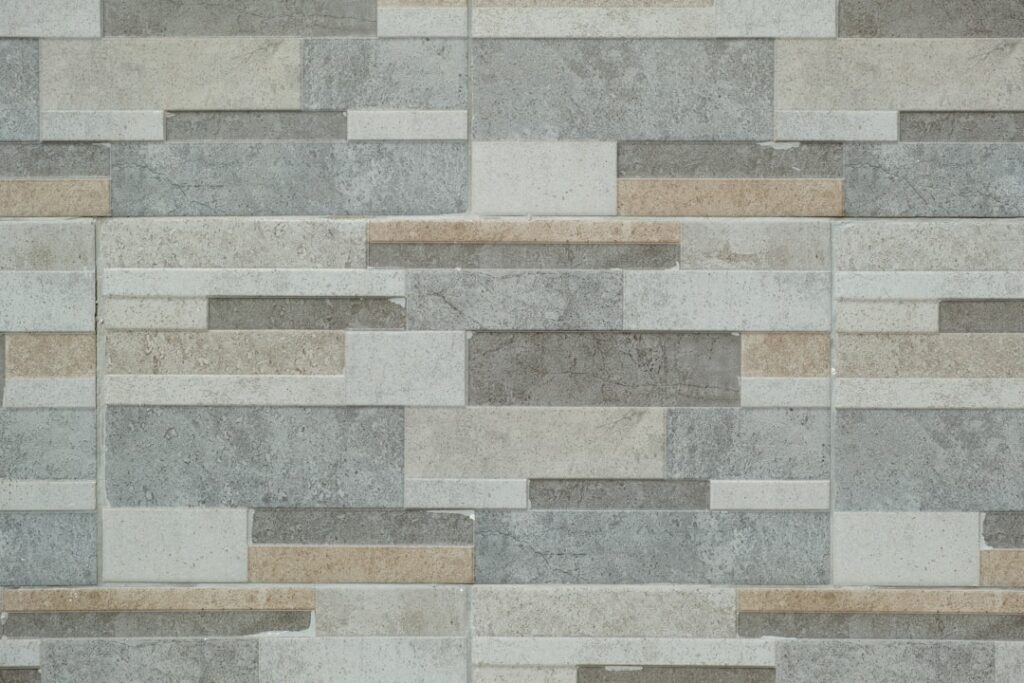
Adhering thin manufactured stone or brick veneer over the block delivers a high-end, natural look. It’s more labor-intensive but dramatically upgrades curb appeal. Expect $8 to $18 per square foot installed for the veneer.
Paint or limewash
The budget champion. A quality masonry paint or a breathable limewash instantly modernizes a wall. Limewash in particular gives that soft, weathered European finish that’s so popular right now.
Paint Colors and Patterns
Color choice sets the whole mood. For a clean, modern yard, crisp white or soft off-white makes plants and greenery pop against the wall. Warm earth tones, terracotta, sand, and clay, suit Mediterranean and desert landscapes. For drama, deep charcoal or near-black turns a wall into a striking backdrop that makes foliage look lush.
Don’t overlook pattern. A geometric mural, a color-blocked section, or a simple painted arch adds real personality. I’ve seen homeowners tape off and paint large terracotta half-circles or a subtle ombre fade that turned a boring boundary wall into a focal point for under $80 in paint. Always use a masonry primer first so the finish bonds and resists moisture.
Built-In Planters and Raised Beds
Cinder block’s hollow cores make it a natural for planting. There are two easy approaches:
- Core planting: Fill the open top cavities of a wall with soil and plant succulents, herbs, or trailing flowers directly into them. It creates a living wall with zero extra structure.
- Stacked raised beds: Dry-stack blocks two or three courses high to build raised garden beds and border planters. No mortar needed for low beds, just level the base course carefully.
Line the interior with landscape fabric to hold soil and slow moisture loss. A row of blocks along the top of a wall, planted with cascading rosemary or creeping thyme, softens the hard edge and adds fragrance.
Built-In Bench Seating
One of my favorite tricks is turning a low block wall into functional seating. Build the wall or a return section to about 18 inches high, the standard seat height, then cap it. The cap makes all the difference:
- Top the wall with a smooth concrete cap, bluestone, or 2-inch-thick wood slats bolted to a ledger.
- Add outdoor cushions for comfort and color.
- Wrap seating around a fire pit or patio corner to maximize space.
This built-in approach seats a crowd without cluttering the yard with loose furniture, and it costs a fraction of buying comparable outdoor seating.
Privacy Screens and Decorative Block
For privacy with style, look at breeze block, also called screen block or decorative concrete block. These pierced, patterned units let light and air through while blocking sight lines, and they’ve had a huge midcentury-modern revival. Use them as a full wall, a topper course on a solid wall, or a freestanding screen to divide a patio from the yard.
Breeze block runs $3 to $8 per unit depending on the pattern. A single accent panel of geometric screen block set into an otherwise solid painted wall is a designer-level detail that costs surprisingly little.
Vertical Gardens and Wall Features
A tall block wall is prime real estate for vertical interest. Mount a trellis and train climbing jasmine, bougainvillea, or espaliered fruit for a green curtain. Hang a series of matching metal or terracotta wall planters in a grid. Or install a wall-mounted water feature, a simple spout and basin, to add the sound of moving water. Floating shelves anchored into the block hold potted plants, lanterns, and outdoor decor.
Weatherproof string lights or low-voltage LED strip lighting run along the top of the wall extend the wall’s usefulness into the evening and highlight its texture after dark.
Combining Materials for a Custom Look
The most designer-looking block walls rarely use block alone. Mixing materials is what makes a wall look intentional and expensive. Pair a stuccoed block wall with a warm wood cap and matching wood slat gate for a modern-organic contrast. Set a panel of decorative screen block into a solid painted wall to break up the mass and add shadow play. Run a horizontal band of stone veneer along the base of a painted wall to ground it visually.
Metal plays well too. Corten steel planters, black metal house numbers, and powder-coated light fixtures read crisp against a matte block surface. The goal is contrast, smooth against textured, warm against cool, natural against manufactured, so the block stops looking like leftover construction material and starts looking like a deliberate design choice.
Practical Tips Before You Build
- Check for a permit. Many jurisdictions require a permit and engineering for freestanding walls over 3 to 4 feet, and for any retaining wall.
- Pour a proper footing. A mortared block wall needs a concrete footing below the frost line to prevent cracking and heaving.
- Seal the finish. Masonry is porous, seal painted or veneered walls to keep water out and prevent efflorescence, that chalky white bloom.
- Add drainage to retaining walls. Gravel backfill and weep holes keep water pressure from pushing the wall over.
- Reinforce tall walls. Fill cores with rebar and grout for structural walls above a couple of feet.
Frequently Asked Questions
How much does a cinder block backyard wall cost?
Materially, block walls are cheap, around $1.50 to $3 per block. A professionally built and finished wall typically runs $15 to $30 per square foot including footing, labor, and a basic finish. Veneer or decorative screen block pushes the top end higher. DIY dry-stacked planters and low walls can cost just a few hundred dollars.
What’s the best way to make a cinder block wall look nice?
The highest-impact, lowest-cost upgrade is a coat of masonry paint or limewash after priming. For a more upscale look, apply stucco for a smooth modern finish or thin stone veneer for a natural stone appearance. Adding planters, a wood cap for seating, and lighting takes it further.
Can I paint an existing cinder block wall myself?
Absolutely. Clean the wall, patch any cracks, apply a masonry primer, then two coats of quality exterior masonry paint or limewash. It’s a very DIY-friendly weekend project, and paint alone runs $40 to $120 for a typical wall. Sealing afterward extends the finish’s life.
Do I need a permit to build a backyard block wall?
It depends on height and purpose. Low decorative or garden-bed walls usually don’t need one, but many areas require permits and engineering for freestanding walls over 3 to 4 feet or for any retaining wall holding back soil. Always check with your local building department before you start.
The best of these backyard cinder block wall ideas share one thing: they treat block as a blank canvas rather than a finished product. Whether you paint it, veneer it, plant it, or turn it into seating, a little creativity turns the cheapest wall material on the shelf into a custom feature that anchors your entire outdoor space.