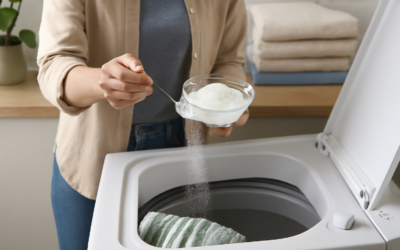
Using baking soda laundry detergent is one of the oldest and most budget-friendly laundry tricks around, and the chemistry behind it is genuinely effective. Baking soda, or sodium bicarbonate, is a mild alkaline compound with a pH of about 8, which helps neutralize acidic odors, soften hard water, and boost the cleaning power of whatever detergent you pair it with. A standard box costs only a few dollars and can handle dozens of loads, making it one of the best value-per-load helpers in your laundry room.
At D and G Flooring we get plenty of questions about cleaning products, especially from homeowners trying to reduce harsh chemicals around their families and floors. This guide explains exactly how baking soda works in laundry, how much to use, and where its real limits lie.
What Baking Soda Actually Does in the Wash
Baking soda is not a true detergent on its own, but it provides several real benefits that improve a load of laundry:
- Neutralizes odors: It chemically neutralizes acidic odor molecules rather than just masking them, which is why it tackles sweat, smoke, and mildew smells so well.
- Softens water: By binding with minerals in hard water, it helps detergent lather and work more effectively, so you can often use less soap.
- Boosts brightening: The mild alkalinity helps lift dirt and can make whites and colors look fresher.
- Balances pH: It creates conditions in the wash water that help surfactants in your detergent perform better.
- Gentle scrubbing action: As a fine mineral powder, it provides light abrasion that helps loosen grime on heavily soiled items.
How Much Baking Soda to Use
The right amount depends on what you are trying to accomplish. As a general detergent booster, add about half a cup of baking soda to the wash drum along with your normal amount of detergent. For heavily soiled or odorous loads, you can use up to one full cup. Always add it to the drum or the wash water rather than the detergent dispenser, since it can clump in dispensers designed for liquid or pod products.
If you are using it as a deodorizing soak, dissolve one cup in a tub or basin of warm water and let the affected items sit for several hours before washing as usual.
A Simple DIY Laundry Detergent Recipe
Many homeowners combine baking soda with a few other pantry-style ingredients to make a homemade detergent. A common recipe includes:
- 1 cup baking soda
- 1 cup washing soda (sodium carbonate, a stronger cousin of baking soda)
- 1 bar of grated pure soap, such as a castile or laundry bar
- Optional: a handful of borax for extra cleaning and a few drops of essential oil for scent
Mix thoroughly and use about two tablespoons per load. Note that washing soda does the heavy lifting on cleaning, while baking soda contributes odor control and water softening. Store the blend in an airtight container to keep it from clumping.
Baking Soda vs Washing Soda: Know the Difference
This is the single most common point of confusion. Baking soda (sodium bicarbonate) is mild, with a pH around 8, and is safe to handle with bare hands. Washing soda (sodium carbonate) is far more alkaline, with a pH around 11, making it a much stronger cleaning agent but also more caustic, so you should wear gloves and keep it away from skin and aluminum surfaces. For gentle odor control and a detergent boost, baking soda is the right choice. For serious stain-fighting power in a homemade detergent, washing soda is the workhorse. They are not interchangeable.
Best Uses for Baking Soda in Laundry
Eliminating Tough Odors
Gym clothes, musty towels, pet bedding, and smoke-exposed fabrics all benefit dramatically from a baking soda boost. Its odor-neutralizing chemistry handles smells that fragrance alone cannot cover.
Softening Hard Water
If you have hard water, you have probably noticed stiff towels and dingy whites. Baking soda softens the water so your detergent can do its job, leaving fabrics noticeably softer.
Brightening Whites
Adding baking soda alongside your regular detergent helps keep whites looking crisp without resorting to harsh bleach on every load.
Freshening the Machine
Running an empty hot cycle with a cup of baking soda helps deodorize the washer drum itself, which is especially helpful for front-loaders prone to musty gasket smells.
What Baking Soda Cannot Do
It is important to keep expectations realistic. Baking soda is a booster and deodorizer, not a complete detergent. On its own it lacks the surfactants that lift and suspend oily soils so they rinse away, so a load washed with baking soda alone will not get truly clean the way it would with detergent. It also will not remove set-in stains by itself, sanitize fabrics, or replace a proper stain treatment. Think of it as a helper that makes your real detergent work better, not a standalone replacement.
Safety and Fabric Considerations
- Baking soda is gentle and generally safe for most washable fabrics, including many delicates.
- Avoid using it on wool and silk unless the care label allows, since alkaline conditions can affect protein fibers.
- It is safe for septic systems and far gentler on the environment than many chemical additives.
- Keep it dry in storage, because absorbed moisture causes clumping and reduces effectiveness.
- Always dissolve it well or add it to the drum to avoid white residue on dark fabrics.
Common Mistakes to Avoid
- Expecting baking soda alone to clean a load. Always pair it with detergent.
- Confusing it with washing soda and using the wrong one for the job.
- Adding it to the liquid detergent dispenser, where it clumps and clogs.
- Using far too much, which can leave a powdery residue on clothes.
- Using it on delicate protein fibers without checking the care label.
Final Thoughts
Baking soda laundry detergent is best understood as a powerful, inexpensive booster rather than a complete soap. Add about half a cup to a cup per load to neutralize odors, soften hard water, and help your detergent clean more effectively. Keep it separate in your mind from the stronger washing soda, respect its limits, and you will get fresher, brighter, better-smelling laundry while spending just pennies per load.