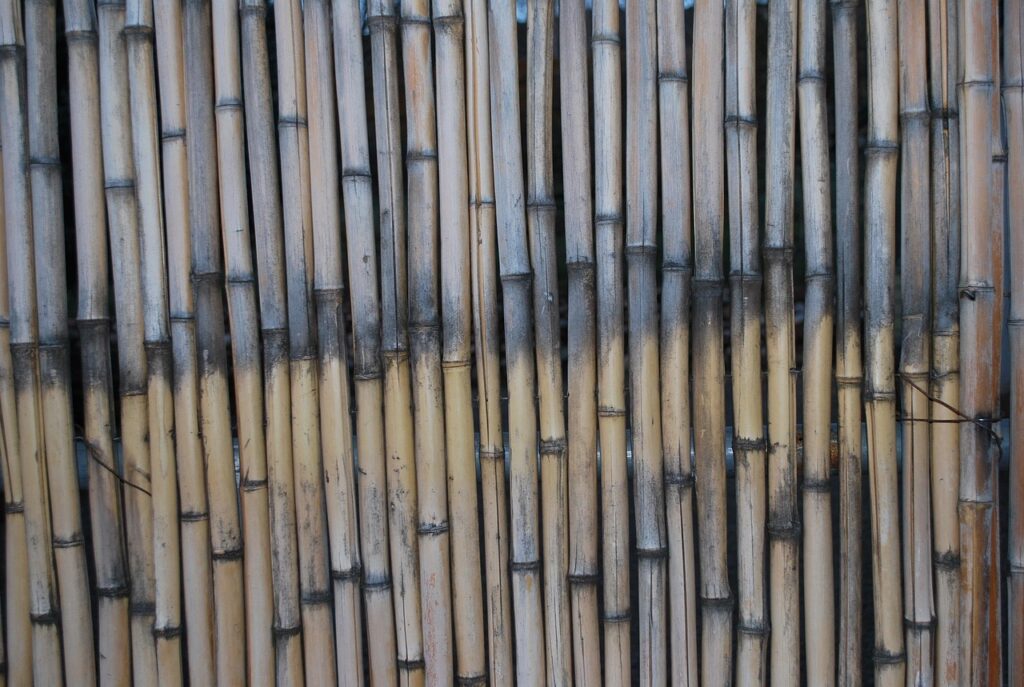
Bamboo gets marketed as the eco-friendly miracle floor, fast-growing, sustainable, and as hard as oak. Much of that is true, but the glossy sales pitch skips the downsides that show up after installation. Understanding the real bamboo flooring problems before you buy is the only way to avoid the warping, scratching, and disappointment that send some homeowners back to the store. This guide lays out the most common issues, what causes each one, and how to dodge them.
- Sensitivity to Humidity
- Scratching and Denting
- Quality Varies Wildly
- Off-Gassing and Adhesives
- Difficult to Refinish
- Water Damage Risk
- Pros That Still Make Bamboo Worth Considering
- Fading and Color Change
- Installation-Related Failures
- How to Avoid the Problems
- Squeaks, Gaps, and Movement
- The Bottom Line
Sensitivity to Humidity
Bamboo is technically a grass, and like all natural flooring it moves with moisture. In humid climates it absorbs water and expands, then shrinks as the air dries, leading to cupping, gaps, and buckling. Run a hygrometer and keep indoor humidity between 35 and 55 percent year-round. In very dry or very damp regions, bamboo demands more climate control than many buyers expect.
Scratching and Denting
The “harder than oak” claim applies mainly to strand-woven bamboo, and even that scratches. Lower-grade horizontal and vertical bamboo dents under furniture legs and shows pet claw marks. The finish, not the bamboo itself, takes most of the damage, and surface scratches are very visible on glossy boards.
- Use felt pads under all furniture.
- Keep pet nails trimmed.
- Place mats at entries to stop grit, the real culprit behind micro-scratches.
- Choose strand-woven over horizontal bamboo for the hardest surface.
Quality Varies Wildly
This is the biggest hidden trap. Bamboo quality depends heavily on the manufacturer, the maturity of the bamboo at harvest, and the adhesives used. Cheap bamboo harvested too young is soft and dents easily. Bargain imports may use lower-grade resins, and the finish may wear through fast. Two floors labeled “bamboo” can perform completely differently.
Off-Gassing and Adhesives
Bamboo planks are made by gluing strands or strips together under heat and pressure. Some adhesives contain urea-formaldehyde, which can off-gas volatile organic compounds (VOCs) into your home. Reputable manufacturers now sell low-VOC and formaldehyde-free products that meet standards like CARB Phase 2 or FloorScore. Always ask for the certification, the eco-friendly reputation only holds if the binders are clean.
Difficult to Refinish
Solid bamboo can sometimes be sanded and refinished, but the veneer on engineered bamboo is thin, and over-sanding ruins it. Strand-woven bamboo is so hard it is tough to sand evenly. Compared with traditional hardwood, your refinishing options are limited, which shortens the realistic lifespan if the surface gets badly worn.
Water Damage Risk
Despite some “water-resistant” marketing, bamboo is not waterproof. Standing water, leaks, and pet accidents left to sit will stain, swell, and warp the planks. It is a poor choice for bathrooms and a risky one for kitchens and laundry rooms unless you are vigilant about spills.
Pros That Still Make Bamboo Worth Considering
- Genuinely renewable, bamboo regrows in 5 to 7 years versus decades for hardwood.
- Strand-woven bamboo is among the hardest flooring surfaces available.
- Attractive, contemporary look with distinctive grain.
- Often cheaper than comparable hardwood, roughly $3 to $8 per square foot.
- Easy to clean with a damp mop and a pH-neutral cleaner.
Fading and Color Change
Bamboo’s color is not as permanent as buyers assume. Direct sunlight gradually fades and shifts the tone, and carbonized bamboo, which is heat-darkened to a caramel hue, is especially prone to lightening over time. If you rearrange furniture after a few years, you may find pale shadows where rugs and sofas blocked the light. Rotating rugs and using UV-filtering window treatments slows this, but some color movement is part of living with a natural product.
Installation-Related Failures
A surprising share of bamboo complaints are really installation failures wearing a bamboo costume. Skipping acclimation is the classic mistake, planks installed straight from a cold truck shrink or swell once they adjust to the home, opening gaps or buckling. Floating installations need the proper expansion gap at every wall, and glue-down jobs over damp concrete fail when moisture wicks up into the planks.
- Acclimate planks in the room for at least 72 hours, longer in extreme climates.
- Test subfloor moisture before any glue-down installation.
- Leave the manufacturer-specified expansion gap around the perimeter.
- Use the recommended underlayment and adhesive, not a generic substitute.
Because so many problems start here, hiring an installer experienced specifically with bamboo, or following the maker’s instructions to the letter as a DIYer, prevents most of the issues people blame on the material itself.
How to Avoid the Problems
Most bamboo complaints trace back to buying cheap or installing it wrong. Protect yourself with a few rules:
- Buy strand-woven from a reputable brand with a clear hardness (Janka) rating.
- Demand low-VOC, formaldehyde-free certification.
- Acclimate the planks in the room for at least 72 hours before installation.
- Control indoor humidity with a hygrometer and HVAC.
- Avoid installing in bathrooms and other wet rooms.
Squeaks, Gaps, and Movement
Two more complaints surface regularly, and both relate to how bamboo handles its environment. Seasonal gapping appears in winter when dry, heated indoor air pulls moisture out of the planks and they shrink slightly, opening thin lines between boards. In humid summer months those gaps usually close again as the wood reabsorbs moisture. It is normal seasonal movement, but dramatic swings point to poor humidity control or a missing expansion gap.
Squeaking and hollow sounds typically trace to the subfloor or the underlayment rather than the bamboo itself. An uneven subfloor leaves voids where the floating planks flex and rub, producing noise underfoot. The fix is prevention, level the subfloor before installation, use a quality underlayment, and make sure floating floors are not pinched tight against walls or cabinets where they cannot move freely.
The Bottom Line
The most common bamboo flooring problems, humidity warping, scratching, inconsistent quality, off-gassing, and water sensitivity, are real but largely preventable. The eco-friendly, hard-wearing floor the marketing promises does exist, you just have to buy a certified strand-woven product from a trusted maker and control your home’s humidity. Skip the bargain imports and respect bamboo’s moisture limits, and it can serve well for many years.
Prefer to explore on your own?
See how new flooring looks in your actual room in seconds — free, no signup.
Try the free Floor Studio →