Bathrooms demand more from their floors than any other room in your home. Constant moisture exposure, temperature swings, heavy humidity, and frequent cleaning create an environment where the wrong flooring fails fast. The right bathroom flooring options balance water resistance, safety, style, and budget without compromising on any front.
- What Makes a Good Bathroom Floor
- Porcelain and Ceramic Tile
- Luxury Vinyl Plank and Tile
- Natural Stone
- Vinyl Sheet Flooring
- Concrete
- Engineered Hardwood
- Rubber Flooring
- SPC Flooring
- Flooring Materials to Avoid in Bathrooms
- Bathroom Flooring Cost Comparison
- Installation Tips for Bathroom Floors
- Final Thoughts
This guide breaks down every viable bathroom flooring material so you can make an informed decision for your next remodel or new build.
What Makes a Good Bathroom Floor
Before comparing materials, understand the non-negotiable qualities every bathroom floor needs. Water resistance tops the list. Bathrooms generate splashes, drips, condensation, and occasional flooding from overflowing tubs or burst supply lines. Your flooring must handle all of it without warping, swelling, or growing mold.
Slip resistance is the second priority. Wet bathroom floors are dangerously slippery, and the consequences of a fall on hard tile or stone can be severe. Look for flooring with textured surfaces or high coefficient-of-friction ratings.
Durability, ease of cleaning, comfort underfoot, and visual appeal round out the requirements. The best bathroom flooring options deliver on all six factors simultaneously.
Porcelain and Ceramic Tile
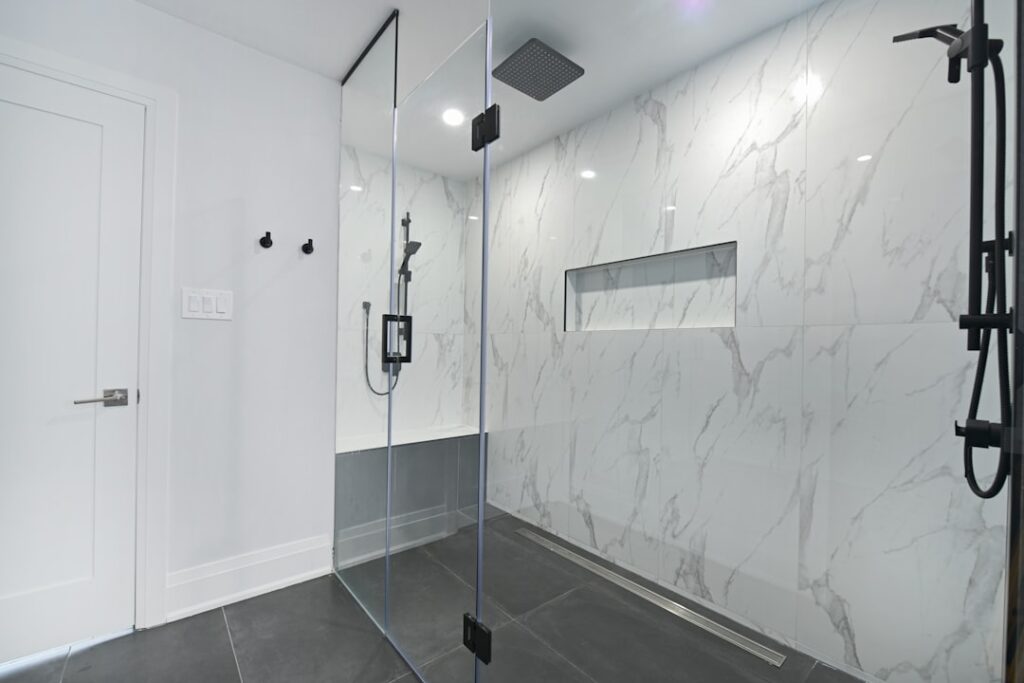
Tile flooring remains the most popular bathroom flooring option for good reason. Porcelain and ceramic tiles are virtually waterproof when properly installed with sealed grout lines. They resist stains, scratches, and chemicals found in bathroom cleaners.
Porcelain Tile
Porcelain is denser and less porous than ceramic, making it the superior choice for bathrooms. Its water absorption rate falls below 0.5 percent, meaning even unglazed porcelain resists moisture penetration. Porcelain tile comes in hundreds of styles including wood-look, marble-look, and concrete-look designs.
Expect to pay between $3 and $15 per square foot for porcelain tile, with installation adding $5 to $10 per square foot. The investment pays off through decades of trouble-free performance.
Ceramic Tile
Ceramic tile costs less than porcelain — typically $1 to $7 per square foot — but absorbs slightly more water. It performs well in half-baths and powder rooms where moisture exposure is minimal. For full bathrooms with showers and tubs, porcelain is the safer bet.
Pros and Cons of Tile
Tile excels in durability and water resistance but falls short on comfort. It is cold and hard underfoot, which can be unpleasant during early morning routines. Radiant floor heating underneath tile solves the temperature problem but adds significant cost. Grout lines require regular sealing and cleaning to prevent mold and discoloration.
Luxury Vinyl Plank and Tile
Luxury vinyl plank has surged in popularity as a bathroom flooring option over the past several years. Modern LVP is 100 percent waterproof, comfortable underfoot, and available in remarkably realistic wood and stone patterns.
Waterproof flooring technology has advanced to the point where vinyl planks can withstand standing water indefinitely without damage. This makes LVP one of the most practical choices for bathrooms of all sizes.
Why LVP Works in Bathrooms
The rigid core construction of modern LVP prevents water from reaching the subfloor. Click-lock installation keeps seams tight without adhesive. The wear layer resists scratches from dropped items and scuffs from bathroom furniture. And unlike tile, LVP feels warm and slightly cushioned underfoot.
LVP costs between $2 and $7 per square foot, with DIY-friendly installation that can save you hundreds on labor. Most homeowners can complete a bathroom LVP installation in a single afternoon.
Limitations to Consider
While waterproof from the top, LVP installations can trap moisture underneath if water seeps through the perimeter edges. Proper silicone caulking around tubs, toilets, and shower bases prevents this issue. LVP also cannot match the premium feel and resale value that real stone or porcelain tile provides.
Natural Stone
Natural stone flooring brings unmatched elegance to bathrooms. Marble, slate, travertine, and limestone create spa-like atmospheres that manufactured materials cannot replicate. Each stone slab is unique, giving your bathroom a one-of-a-kind appearance.
Best Stones for Bathrooms
Slate is the most practical natural stone for bathrooms. Its naturally textured surface provides excellent slip resistance, and its low porosity minimizes water absorption. Slate costs between $5 and $15 per square foot.
Marble is the most luxurious option but requires the most maintenance. It is porous, stains easily, and needs regular sealing. Marble bathroom floors cost $10 to $40 per square foot installed but deliver a high-end aesthetic that elevates your entire home.
Travertine and limestone offer warm, earthy tones and perform well in bathrooms when properly sealed. Both require annual sealing to maintain their water resistance.
Stone Maintenance
All natural stone bathroom floors require sealing upon installation and periodic resealing every one to three years depending on the stone type and traffic level. Use pH-neutral cleaners specifically designed for stone — acidic products like vinegar will etch and damage the surface.
Vinyl Sheet Flooring
Vinyl flooring in sheet form provides seamless, waterproof coverage for bathrooms. Unlike plank or tile formats, sheet vinyl has no seams in small bathrooms, eliminating potential moisture entry points entirely.
Modern sheet vinyl mimics tile, stone, and wood patterns with impressive realism. It costs just $1 to $4 per square foot, making it the most budget-friendly waterproof bathroom flooring option available. Professional installation adds $2 to $4 per square foot.
Sheet vinyl is softer and warmer underfoot than tile, making it comfortable for bare feet. It also provides a slight cushioning effect that reduces fatigue from standing at the vanity.
Concrete
Concrete flooring offers a modern, industrial aesthetic that works beautifully in contemporary and minimalist bathroom designs. Polished concrete is durable, waterproof when sealed, and easy to clean.
Concrete floors can be stained, stamped, or polished to create a wide range of looks. Acid staining produces rich, variegated color patterns that resemble natural stone. Polishing creates a high-gloss surface that reflects light and makes bathrooms feel larger.
The primary drawbacks are hardness and coldness. Concrete is extremely unforgiving underfoot, and radiant heating is strongly recommended for bathroom comfort. Sealing is essential to prevent moisture absorption and staining.
Engineered Hardwood
Engineered wood flooring can work in bathrooms with careful material selection and installation. Unlike solid hardwood, engineered wood features a plywood core that resists moisture-related expansion and contraction better than solid lumber.
Choose species with natural water resistance like teak, white oak, or acacia. Apply a marine-grade polyurethane finish and ensure all seams are sealed. Even with these precautions, engineered wood is not recommended for bathrooms with heavy shower use or families with young children prone to creating water messes.
Rubber Flooring
Rubber flooring is an unconventional but highly functional bathroom flooring option. It is naturally waterproof, slip-resistant even when wet, comfortable underfoot, and available in a growing range of colors and patterns.
Rubber tiles and sheets install easily over existing subfloors. The material is warm to the touch, cushioned for comfort, and virtually maintenance-free. It performs exceptionally well in accessible bathrooms where slip resistance is a priority.
Rubber flooring costs $2 to $8 per square foot. The main limitation is its industrial look, which does not appeal to homeowners seeking traditional or luxury bathroom aesthetics.
SPC Flooring
SPC flooring — stone polymer composite — is a rigid-core vinyl product designed specifically for moisture-heavy environments. Its limestone-based core is completely waterproof and dimensionally stable, meaning it will not expand, contract, or warp in humid bathroom conditions.
SPC is harder and more dent-resistant than standard LVP, making it suitable for bathrooms with heavy vanities and freestanding tubs. It costs slightly more than standard LVP at $3 to $8 per square foot but provides superior performance in wet environments.
Flooring Materials to Avoid in Bathrooms
Solid Hardwood
Solid hardwood flooring and bathrooms do not mix. Wood absorbs moisture, swells, warps, and develops mold when exposed to the conditions bathrooms create daily. No finish or sealant can fully protect solid hardwood from bathroom moisture levels.
Standard Laminate
Traditional laminate flooring features an HDF core that swells irreversibly when exposed to water. While waterproof laminate products exist, they cost nearly as much as LVP with fewer style options. Standard laminate should never be installed in bathrooms.
Untreated Carpet
Carpet flooring in bathrooms is a mold and mildew disaster waiting to happen. While some homeowners still carpet bathrooms for comfort, the ongoing hygiene issues make it a poor long-term choice.
Bathroom Flooring Cost Comparison
Budget-friendly options include sheet vinyl ($1 to $4 per square foot), ceramic tile ($1 to $7), and rubber flooring ($2 to $8). Mid-range choices include LVP ($2 to $7), SPC ($3 to $8), and porcelain tile ($3 to $15). Premium options include natural stone ($5 to $40) and polished concrete ($6 to $15).
Installation costs vary significantly. DIY-friendly materials like LVP and vinyl sheet can save $3 to $8 per square foot in labor. Tile and stone installations typically require professional help, adding $5 to $15 per square foot to material costs.
Installation Tips for Bathroom Floors
Regardless of the material you choose, proper installation is critical in bathroom environments. Always waterproof the subfloor before installation using a liquid membrane or sheet membrane, especially in bathrooms on upper floors where leaks can cause ceiling damage below.
Slope the floor slightly toward the drain if one exists. Seal all perimeter edges with silicone caulk rather than grout to allow for expansion and prevent water infiltration. Install the toilet flange at the correct height for your new floor thickness.
Ensure adequate ventilation. A bathroom exhaust fan rated for your room size reduces ambient humidity and extends the life of any flooring material. Run the fan during and for 30 minutes after every shower or bath.
Final Thoughts
The best bathroom flooring options for most homeowners are porcelain tile and luxury vinyl plank. Tile offers unmatched durability and resale value, while LVP provides waterproof performance at a lower cost with easier installation. Natural stone delivers a premium look for those with the budget and willingness to maintain it. Whatever material you choose, prioritize water resistance, slip safety, and proper installation to ensure your bathroom floor lasts for years to come.
Prefer to explore on your own?
See how new flooring looks in your actual room in seconds — free, no signup.
Try the free Floor Studio →