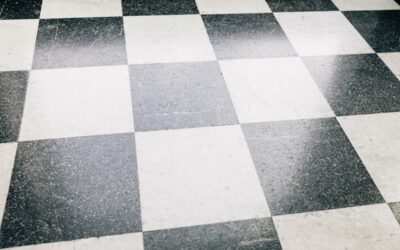
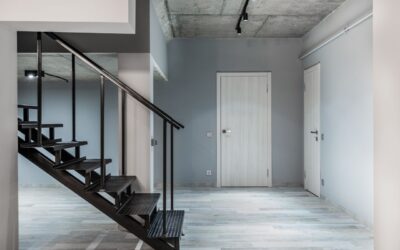
Concrete flooring has evolved far beyond the utilitarian gray slabs found in garages and basements. Today, concrete floors serve as a primary design element in modern homes, retail spaces, restaurants, offices, and industrial facilities. With an array of finishing techniques—from diamond-polished high-gloss surfaces to richly stained artistic patterns and intricately stamped textures—concrete delivers a combination of durability, versatility, and aesthetic appeal that rivals the most premium flooring materials at a fraction of the long-term cost.
Here is everything you need to know about concrete flooring—from the different types and finishes available to installation methods, cost considerations, maintenance requirements, design possibilities, and the best applications for both residential and commercial spaces. Whether you are building a new home, renovating an existing space, or comparing concrete floor finishes against options like hardwood, tile, or vinyl, you will find every answer here.
- What Is Concrete Flooring?
- Types of Concrete Flooring & Finishes
- Concrete Flooring Types Compared
- Concrete Flooring Cost Overview
- The Concrete Flooring Installation Process
- Pros and Cons of Concrete Flooring
- Durability and Lifespan
- Maintenance and Care
- Design Options for Concrete Flooring
- Residential vs. Commercial Concrete Flooring
- Concrete Flooring vs. Other Flooring Materials
- DIY vs. Professional Concrete Flooring
- Frequently Asked Questions About Concrete Flooring
- How long does concrete flooring last?
- Is concrete flooring cold?
- Does concrete flooring crack?
- How much does concrete flooring cost?
- Can you polish an existing concrete floor?
- Is concrete flooring good for kitchens and bathrooms?
- Can concrete flooring be installed over existing floors?
- Is polished concrete slippery?
- How does concrete flooring affect home resale value?
- What is the difference between polished concrete and epoxy flooring?
- Is a concrete floor cheaper than tile or hardwood?
- How long does it take to install a concrete floor?
- How do you remove stains from a concrete floor?
- How do I know when my concrete floor needs resealing?
- Can you combine concrete flooring with other flooring types in the same home?
- What concrete floor design trends are popular right now?
- How thick is a concrete floor slab in a house?
- Can you paint a concrete floor instead of polishing or staining it?
- Can you have concrete floors in a condo or upstairs room?
- What are the main types of concrete floors?
- What flooring can you put over a concrete floor?
- Final Thoughts
- Popular Concrete Flooring Guides
What Is Concrete Flooring?
Concrete flooring refers to any floor surface where concrete serves as the finished, exposed material rather than merely a subfloor hidden beneath carpet, tile, or wood. The concrete itself—a mixture of Portland cement, water, sand, and gravel or crushed stone—becomes the wear surface after being treated with one or more finishing techniques such as polishing, staining, stamping, sealing, or coating.
Modern concrete floors bear little resemblance to the rough, dusty surfaces of construction sites. Through mechanical processing and chemical treatments, a plain concrete slab can be transformed into a surface that rivals marble in appearance, exceeds ceramic tile in durability, and outperforms hardwood in moisture resistance. The inherent thermal mass of concrete also contributes to energy efficiency by absorbing and slowly releasing heat, making it an excellent partner for radiant floor heating systems.
Concrete flooring has been used in commercial and industrial settings for over a century, valued for its strength, longevity, and low maintenance requirements. Over the past two decades, advances in polishing technology, staining chemistry, and decorative techniques have driven explosive growth in residential applications as well. Architects and interior designers now specify decorative concrete flooring as a first-choice finish rather than a budget compromise.
Why Concrete Flooring Has Surged in Popularity
Several converging trends explain the dramatic rise in concrete flooring popularity. The modern and industrial design movements celebrate raw, honest materials, and polished concrete fits perfectly into that aesthetic. Growing environmental awareness has also played a role—finishing an existing concrete slab eliminates the need to manufacture, transport, and install an entirely separate flooring product, significantly reducing the environmental footprint.
Allergy and indoor air quality concerns have further boosted interest in concrete floors. Unlike carpet, which traps dust mites, pet dander, pollen, and volatile organic compounds, a sealed concrete surface is completely non-porous and non-allergenic. It does not harbor mold or mildew and can be cleaned with a simple damp mop. For households dealing with asthma or severe allergies, concrete flooring can be life-changing.
Finally, the economics are compelling. When you consider that most buildings already have a concrete slab, finishing that slab is often less expensive than installing a separate flooring material over it. And because a properly maintained concrete floor can last the entire lifetime of the building, the long-term cost per year is remarkably low.


Types of Concrete Flooring & Finishes
The world of concrete floor finishes is far more diverse than most people realize. Each finishing technique produces a distinct look, feel, and performance profile. Here is a detailed breakdown of every major type of concrete flooring available today.
Polished Concrete Flooring
Polished concrete flooring is created through a multi-step mechanical process that uses progressively finer diamond-abrasive tooling to grind and refine the concrete surface to a desired level of sheen. The process is analogous to sanding wood, but instead of sandpaper on timber, industrial floor grinders fitted with diamond-impregnated pads work the concrete through a series of grit levels, typically starting at 30 or 50 grit and progressing through 100, 200, 400, 800, 1500, and up to 3000 grit for a mirror-like finish.
During the process, a chemical densifier (typically a lithium silicate solution) is applied to the concrete. The densifier penetrates the pores and reacts with the free calcium hydroxide in the concrete to form calcium silicate hydrate crystals. This reaction hardens and densifies the surface, closing the pore structure and increasing abrasion resistance by 30 to 50 percent.
Polished concrete offers four standard levels of sheen: flat or ground (Level 1, 100 to 400 grit), satin (Level 2, 400 to 800 grit), semi-polished (Level 3, 800 to 1500 grit), and highly polished (Level 4, 1500 to 3000 grit). Higher polish levels produce more light reflectivity, which can improve ambient lighting in a space by 30 percent or more and reduce lighting energy costs.
This is the most popular concrete floor finish for commercial retail, office spaces, museums, and modern residential interiors. It is also increasingly specified for warehouses and distribution centers where its durability and low maintenance make it more cost-effective than coatings over a 20-year lifecycle.
Stained & Dyed Concrete Floors
Stained concrete floors use either acid-based chemical stains or water-based dyes to infuse color into the concrete surface. The two approaches produce distinctly different results.
Acid stains contain metallic salts (typically iron, copper, or manganese chloride) dissolved in a hydrochloric acid solution. When applied to concrete, the acid etches the surface while the metallic salts react with the calcium hydroxide in the cement paste. This chemical reaction produces permanent, translucent color that will not peel, chip, or fade because it becomes part of the concrete itself. Acid stains produce rich, variegated, earth-tone colors—ambers, tans, browns, blue-greens, and terra cottas—with a mottled, organic appearance that is impossible to replicate with paint or dye.
Water-based concrete dyes offer a broader color palette, including vibrant blues, reds, yellows, and greens that acid stains cannot achieve. Dyes penetrate the concrete through absorption rather than chemical reaction, producing more uniform, predictable color. They can be applied in layers and blended to create custom hues and artistic effects. However, dyes are not UV-stable and are best suited for interior applications.
Both acid stains and dyes must be sealed after application to protect the color and the concrete surface. A combination of staining and polishing can produce breathtaking results—the depth of the stain color enhanced by the clarity and reflectivity of a polished surface.
Stamped Concrete Flooring
Stamped concrete (also called imprinted or patterned concrete) is created by pressing large rubber or polyurethane mats into freshly poured concrete to imprint textures and patterns that replicate the look of natural stone, brick, slate, wood planks, cobblestone, and other materials. Color is typically added through integral pigments mixed into the concrete and release agents applied to the surface before stamping.
Stamped concrete is most commonly used for exterior applications—patios, pool decks, driveways, and walkways—but it is also used for interior floors, especially in entryways, sunrooms, and commercial spaces that want the appearance of natural stone at a significantly lower cost. A stamped concrete floor that mimics flagstone or slate typically costs 40 to 60 percent less than installing the actual natural stone.
The main consideration with stamped concrete is that it must be sealed every 2 to 3 years to maintain its color and protect the surface from wear and moisture penetration. Without regular resealing, the surface can fade and the stamped texture can wear down in high-traffic areas.
Concrete Overlays
Concrete overlays are thin cementitious coatings (typically 1/8 to 1/4 inch thick) applied over existing concrete to resurface damaged, stained, or unattractive slabs without the cost of demolition and replacement. Modern overlay systems use polymer-modified cement that bonds tenaciously to the existing concrete and can be stamped, stained, stenciled, or polished just like new concrete.
Overlays are an excellent solution for interior and exterior surfaces that are structurally sound but cosmetically compromised. They can cover minor cracks, pitting, and discoloration while creating a fresh surface ready for any decorative treatment. Self-leveling overlays are particularly useful for interior floors, as they flow and settle into a perfectly flat surface ideal for polishing or staining.
The technology has advanced considerably in recent years. Microtopping overlays can be applied as thin as 1/16 inch, while stampable overlays can be built up to 3/8 inch or more for deep texture patterns. When properly installed over a well-prepared substrate, overlays can last 10 to 15 years or longer.
Epoxy-Coated Concrete
Epoxy-coated concrete uses a two-part epoxy flooring system applied over a prepared concrete slab. The epoxy resin and hardener undergo a chemical reaction that creates a thick, durable, seamless coating bonded directly to the concrete surface. Epoxy coatings are available in solid colors, metallic finishes, and flake or quartz broadcast systems.
This type of concrete floor coating is the preferred choice for garages, workshops, commercial kitchens, warehouses, and industrial facilities where chemical resistance, impact resistance, and easy cleaning are paramount. A professional epoxy coating system builds to 10 to 20 mils thick and can last 10 to 20 years. For a complete guide to this finish, see our epoxy flooring page.
Sealed Concrete
Sealed concrete is the simplest and most affordable concrete floor finish. A clear sealer—either a topical film-forming sealer (acrylic, polyurethane, or epoxy) or a penetrating sealer (silane, siloxane, or silicate)—is applied to the concrete surface to protect it from moisture, staining, and dusting.
Topical sealers sit on top of the concrete and create a visible film that can range from matte to high-gloss. They enhance the natural color of the concrete and provide a cleanable surface. Penetrating sealers absorb into the concrete pores and react chemically to create an invisible moisture barrier without changing the surface appearance.
Sealed concrete is an excellent choice for utility spaces, basements, garages, and any area where you want basic protection without the cost of polishing, staining, or coating. It is also the required first step before applying stains or dyes. Cost typically ranges from $1 to $3 per square foot for a basic seal, making it the most budget-friendly concrete finish available.
Microcement Flooring
Microcement flooring (also called micro-screed or micro-topping) is an ultra-thin, polymer-modified cement coating applied in multiple layers to create a seamless, contemporary surface with an industrial-chic aesthetic. Applied at just 2 to 3 millimeters thick, microcement can be installed over existing concrete, tile, wood, or virtually any stable substrate.
Microcement produces a distinctive, slightly textured surface with subtle tonal variations that give each floor a handcrafted, artisan quality. It is available in a wide range of colors, from warm earth tones to cool grays and bold contemporary hues. The seamless, grout-free surface makes it a favorite of modern architects and interior designers for open-plan living spaces, bathrooms, kitchens, retail environments, and hospitality spaces.
Because microcement is applied by hand in thin layers, it requires skilled application to achieve consistent results. It must be sealed with a polyurethane topcoat for water and stain resistance. When properly installed and maintained, microcement floors last 15 to 25 years.
Concrete Flooring Types Compared
| Concrete Finish | Cost/Sq Ft (Installed) | Appearance | Durability | DIY-Friendly? | Best Use |
|---|---|---|---|---|---|
| Sealed Concrete | $1 – $3 | Natural, matte to satin | Moderate (5–10 years) | Yes | Basements, garages, utility rooms |
| Stained/Dyed Concrete | $3 – $8 | Variegated, translucent color | High (10–20 years) | Moderate | Living spaces, retail, restaurants |
| Polished Concrete | $3 – $12 | Glossy, refined, modern | Very High (20+ years) | No | Retail, offices, modern homes |
| Stamped Concrete | $8 – $18 | Mimics stone, brick, wood | High (10–15 years) | No | Patios, entryways, pool decks |
| Concrete Overlay | $3 – $10 | Varies by decorative treatment | High (10–15 years) | No | Resurfacing damaged concrete |
| Epoxy-Coated Concrete | $3 – $12 | Glossy, seamless, colorful | Very High (10–20 years) | Moderate | Garages, warehouses, kitchens |
| Microcement | $8 – $15 | Seamless, artisan, contemporary | High (15–25 years) | No | Modern interiors, bathrooms, retail |
Concrete Flooring Cost Overview
The cost of concrete flooring varies significantly depending on the type of finish, the size and condition of the slab, geographic location, and whether the work is done by a professional or as a DIY project. One of concrete flooring’s greatest advantages is its wide cost range—there is an option for virtually every budget, from basic sealing at $1 per square foot to premium polished and stained installations at $15 or more per square foot.
Here is a breakdown of typical installed costs for each type of concrete floor finish:
- Basic sealed concrete: $1 to $3 per sq ft installed
- Stained or dyed concrete: $3 to $8 per sq ft installed
- Polished concrete (cream polish): $3 to $7 per sq ft installed
- Polished concrete (aggregate exposure): $5 to $12 per sq ft installed
- Stamped concrete (new pour): $8 to $18 per sq ft installed
- Concrete overlay: $3 to $10 per sq ft installed
- Epoxy coating system: $3 to $12 per sq ft installed
- Microcement: $8 to $15 per sq ft installed
For new construction where a concrete slab is already part of the building plan, finishing that slab as the final floor is often the most economical option because it eliminates the material and labor costs of a separate flooring installation. In renovation projects, the condition of the existing slab is the primary cost driver—a clean, undamaged slab requires minimal preparation, while a heavily damaged or previously coated slab may need extensive grinding, patching, or overlay work before decorative finishing can begin.
When comparing concrete flooring costs to alternatives, consider the full lifecycle. A polished concrete floor at $8 per square foot that lasts 25 years costs approximately $0.32 per square foot per year. A hardwood floor at $12 per square foot that needs refinishing every 8 to 10 years and replacement after 20 years costs significantly more over the same period. This lifecycle cost advantage is one of the key reasons concrete floors continue to gain market share.
The Concrete Flooring Installation Process
The installation process for concrete flooring varies depending on the type of finish chosen. Below is a comprehensive overview covering both new concrete pours and the refinishing of existing slabs.
New Concrete Slab Installation
If you are starting from scratch—whether for a new construction project or replacing an existing floor—the process begins with site preparation and pouring a new slab.
- Subgrade preparation: The soil beneath the slab is compacted and graded to ensure a stable, level base. A layer of compacted gravel (typically 4 to 6 inches) is placed over the subgrade for drainage.
- Vapor barrier: A polyethylene vapor barrier (10 to 15 mil) is placed over the gravel to prevent ground moisture from migrating up through the concrete.
- Reinforcement: Steel rebar or welded wire mesh is positioned within the slab area to provide tensile strength and control cracking.
- Pouring and finishing: The concrete is mixed, poured, screeded level, floated smooth, and finished with steel trowels. For stamped concrete, the stamping is performed at this stage while the concrete is still plastic. For polished or stained floors, the slab is finished smooth and left to cure.
- Curing: The slab must cure for a minimum of 28 days before polishing, staining, or coating work begins. During this period, the concrete reaches approximately 90 percent of its ultimate compressive strength.
Finishing an Existing Concrete Slab
The majority of concrete flooring projects involve finishing an existing slab rather than pouring a new one. The process varies by finish type, but the general sequence is as follows.
Step 1: Assessment and Preparation
The installer evaluates the condition of the existing slab, checking for cracks, spalls, coatings, adhesive residue, moisture issues, and levelness. Any existing floor coverings (carpet, tile, vinyl) and adhesive are removed. Cracks and divots are filled with appropriate patching compounds. For polishing, a test section is often ground to assess the aggregate exposure and overall appearance.
Step 2: Grinding or Surface Profiling
For polished concrete, industrial diamond grinding equipment processes the surface through multiple passes at progressively finer grits. For stained or coated floors, the concrete is ground or shot-blasted to create a clean, open-pored surface profile (CSP 2 to 3) that ensures proper adhesion of stains, dyes, or coatings.
Step 3: Densifying (Polished Concrete)
For polished floors, a lithium silicate densifier is applied after the initial grinding passes (typically at 100 to 200 grit). The densifier penetrates the concrete, reacts with the calcium hydroxide, and forms additional calcium silicate hydrate crystals that harden and close the pore structure. This step is critical for achieving maximum hardness, stain resistance, and polish clarity.
Step 4: Decorative Treatment
This is where the chosen finish is applied. For polished concrete, grinding continues through the higher grit levels. For stained floors, the acid stain or water-based dye is applied, allowed to react or penetrate, and then neutralized and cleaned. For stamped overlays, the overlay material is placed and stamped. For epoxy or other coatings, the coating system is applied per manufacturer specifications.
Step 5: Sealing and Protection
The final step is applying a sealer or guard to protect the finished surface. Polished floors receive a penetrating guard or impregnating sealer that fills residual micropores without creating a topical film. Stained floors receive a clear topical sealer (acrylic, polyurethane, or epoxy). Stamped concrete receives an acrylic sealer. The sealer type and number of coats depend on the finish and the intended use of the space.
Pros and Cons of Concrete Flooring
Advantages
- Exceptional durability: Concrete floors are among the hardest and most wear-resistant flooring surfaces available, with lifespans of 25 to 100+ years depending on the finish and maintenance.
- Low maintenance: Regular dust mopping and occasional damp mopping are all that is required to keep a concrete floor looking its best. No waxing, polishing, or refinishing cycles like hardwood.
- Moisture resistance: Properly sealed concrete does not swell, warp, buckle, or grow mold when exposed to moisture, making it ideal for basements, bathrooms, kitchens, and entryways.
- Design versatility: Decorative concrete flooring encompasses polishing, staining, stamping, overlays, coatings, and microcement, offering virtually unlimited aesthetic options.
- Hypoallergenic: Concrete does not harbor dust mites, pet dander, mold spores, or VOCs, making it one of the healthiest flooring choices for allergy sufferers.
- Thermal mass: Concrete absorbs and stores heat, moderating indoor temperature swings and reducing heating and cooling costs. It is the ideal substrate for radiant floor heating.
- Eco-friendly: Finishing an existing slab eliminates the environmental impact of manufacturing and transporting a separate flooring product. Concrete is also fully recyclable.
- Cost-effective over time: The combination of low initial cost (for basic finishes), minimal maintenance, and extreme longevity gives concrete the lowest lifecycle cost of any flooring material.
- Fire resistance: Concrete is non-combustible and does not emit toxic fumes when exposed to fire, contributing to building safety.
- Pest resistance: Unlike wood, concrete is impervious to termites, carpenter ants, and other wood-destroying insects.
Disadvantages
- Hardness underfoot: The same hardness that makes concrete durable also makes it less forgiving to stand on for long periods. Anti-fatigue mats are recommended in areas where people stand for extended periods, such as kitchens and workstations.
- Cold surface: Concrete can feel cold underfoot, especially in cooler climates. Radiant floor heating or area rugs can mitigate this issue, but it is a factor to consider in living spaces.
- Susceptibility to cracking: Concrete naturally develops hairline cracks over time due to settling, shrinkage, and thermal expansion. While control joints minimize cracking, some surface cracks are inevitable and should be considered a characteristic rather than a defect.
- Difficult to modify: Once a concrete floor is in place, it is extremely difficult and expensive to alter. Running plumbing or electrical through an existing slab requires cutting and patching.
- Noise reflection: Hard concrete surfaces reflect sound rather than absorbing it, which can increase noise levels in a space. Area rugs and acoustic treatments can help.
- Staining potential: Unsealed concrete is porous and absorbs spills quickly. Even sealed concrete can stain if highly pigmented liquids (red wine, coffee, ink) are left in contact for extended periods.
- Requires professional installation for premium finishes: While basic sealing is DIY-friendly, polished, stained, and stamped concrete require skilled professionals with specialized equipment.
Durability and Lifespan
Durability is arguably the single greatest advantage of concrete flooring. The concrete substrate itself can last 50 to 100 years or more—essentially the lifetime of the building. The finish applied to the concrete surface has its own lifespan, but most decorative concrete finishes last significantly longer than competing flooring materials.
Polished concrete is the most durable finish, with a lifespan of 20 to 25+ years before significant maintenance is needed. Because the polish is achieved through mechanical abrasion rather than a topical coating, there is nothing to peel, chip, or delaminate. The densified, hardened surface resists abrasion so effectively that many polished concrete floors in commercial settings actually improve in appearance over time as foot traffic further burnishes the surface.
Stained concrete floors, when properly sealed, last 10 to 20 years before the sealer needs reapplication. The stain itself is permanent because it chemically reacts with the concrete. Stamped concrete requires resealing every 2 to 3 years but can last 15 to 25 years with proper maintenance. Epoxy-coated concrete typically provides 10 to 20 years of service depending on the coating thickness and traffic levels.
When any concrete floor finish does eventually show wear, the underlying slab remains intact and can be refinished. A polished floor can be re-polished, a stained floor can be re-stained and resealed, and a coated floor can be recoated—all at a fraction of the cost of a full replacement. This renewability is a major advantage over flooring materials like hardwood (which has a limited number of refinishing cycles) or vinyl (which must be completely replaced when worn).
Maintenance and Care
Proper maintenance is essential to preserving the appearance and performance of any concrete floor finish. The good news is that concrete is one of the lowest-maintenance flooring options available. The specific care requirements depend on the type of finish.
Polished Concrete Maintenance
- Daily: Dust mop with a microfiber pad to remove grit and debris that can micro-scratch the surface over time.
- Weekly: Damp mop with clean water and a pH-neutral cleaner formulated for polished concrete. Avoid soap-based cleaners, which leave residue that dulls the shine.
- Quarterly: Apply a polished concrete conditioner or guard to maintain stain resistance and enhance the surface sheen.
- As needed: Buff the floor with a high-speed burnisher to restore gloss in high-traffic areas. Most commercial polished floors are burnished monthly.
Stained and Sealed Concrete Maintenance
- Daily: Sweep or dust mop to remove loose debris.
- Weekly: Mop with a mild, pH-neutral cleaner and water. Avoid acidic or abrasive cleaners that can damage the sealer.
- Every 1 to 3 years: Strip and reapply the topical sealer. Frequency depends on the type of sealer, traffic level, and UV exposure.
- Immediately: Clean up spills promptly to prevent staining, especially on acid-stained floors where the sealer is the primary stain barrier.
Stamped Concrete Maintenance
- Regularly: Sweep away debris and rinse with a garden hose or pressure washer (low setting).
- Every 2 to 3 years: Clean thoroughly and apply a fresh coat of acrylic sealer. This is the single most important maintenance step for stamped concrete.
- As needed: Address any cracks promptly to prevent water infiltration that can undermine the slab.
What to Avoid on All Concrete Floors
- Do not use ammonia-based, bleach-based, or highly acidic cleaners on sealed or polished concrete.
- Avoid dragging heavy furniture or sharp objects across the surface without protective pads.
- Do not use abrasive scrub pads or steel wool on polished or sealed surfaces.
- Avoid letting standing water remain on the surface, especially on stained or sealed floors where prolonged moisture contact can cloud the sealer.
- Do not use deicing salts on exterior stamped concrete, as they can cause surface scaling. Use sand for traction instead.
Design Options for Concrete Flooring
The design potential of decorative concrete flooring is virtually limitless. From sleek, minimalist polished surfaces to richly colored, intricately textured finishes, concrete can be customized to complement any interior or exterior design scheme.
Color Options
Concrete can be colored through several methods. Integral color is mixed directly into the concrete before pouring, producing consistent, through-body color that will not wear away. Acid stains create variegated, translucent earth tones with a unique, organic character. Water-based dyes offer the broadest color palette, including vibrant primaries and bold contemporary hues. Pigmented sealers and topical coatings provide opaque color that sits on the surface. By combining these techniques, virtually any color—from warm terracotta to cool charcoal to vivid cobalt—is achievable.
Aggregate Exposure
In polished concrete, the depth of grinding determines how much of the aggregate (the gravel and sand within the concrete mix) is exposed. A cream polish stays at the surface paste level, revealing little or no aggregate. A salt-and-pepper finish exposes the fine sand particles. A medium aggregate exposure reveals the edges of the larger stones. A full aggregate exposure grinds deep enough to display the complete cross-sections of the gravel pieces, creating a terrazzo-like appearance. Specifying decorative aggregates—such as colored glass, marble chips, or granite—in the concrete mix can produce stunning custom effects.
Patterns and Scoring
Saw-cut scoring allows installers to cut geometric patterns, borders, bands, and custom designs directly into the concrete surface. Scoring can create the look of large-format tile, natural stone slabs, or entirely original patterns. When combined with multiple stain colors—one color inside the scored lines and another outside—the effect can mimic hand-laid stone at a fraction of the cost.
Textures and Finishes
Concrete can be finished to virtually any texture. Troweled finishes range from rough broom textures (for exterior slip resistance) to glass-smooth burnished surfaces. Stamped textures replicate natural stone, brick, wood planks, and other materials. Microcement creates a distinctive hand-troweled aesthetic. Exposed aggregate finishes reveal the natural stones in the mix for a rugged, organic look. The texture choice affects both the visual appearance and the functional performance of the floor, particularly slip resistance.
Concrete Countertops and Matching Surfaces
For a cohesive design aesthetic, many homeowners and designers pair concrete floors with concrete countertops, concrete fireplace surrounds, or concrete wall panels. Using the same material throughout a space creates a powerful visual continuity that is central to modern, industrial, and minimalist design philosophies.
Residential vs. Commercial Concrete Flooring
While the underlying material is the same, residential and commercial concrete flooring applications differ in design priorities, performance requirements, and installation approaches.
Residential Applications
In homes, concrete flooring is increasingly chosen for living rooms, kitchens, bedrooms, bathrooms, basements, and entryways. Homeowners select concrete for its modern aesthetic, durability, easy maintenance, and compatibility with radiant heating. The most popular residential finishes are polished concrete, stained concrete, and microcement.
Residential projects tend to prioritize aesthetics and comfort. Polished concrete in living areas is often paired with area rugs for warmth and softness in seating areas. Radiant floor heating is commonly installed beneath residential concrete floors to eliminate the cold-underfoot concern. Stain and color choices tend toward warm, inviting tones that complement home furnishings.
Basement flooring is one of the most common residential concrete applications. Because the basement slab is already in place, finishing it as a polished or stained concrete floor is significantly more affordable than installing a separate flooring material. The moisture resistance of sealed concrete makes it far more practical than carpet or hardwood in a below-grade environment.
Commercial Applications
Commercial concrete flooring must meet stricter performance and regulatory requirements. Retail stores need highly polished, attractive surfaces that withstand heavy foot traffic and shopping carts. Restaurants need floors that resist food stains, grease, and thermal shock while meeting health department sanitation standards. Warehouses need surfaces that can handle forklift traffic and heavy pallet loads without deteriorating. Healthcare facilities need seamless, non-porous surfaces that support strict infection control protocols.
Commercial polished concrete is typically ground to a higher level of aggregate exposure for maximum durability and specified with a penetrating guard system rather than a topical sealer for easier maintenance. The installation process is often phased to minimize business disruption, with sections of the floor being completed in sequence to keep portions of the space operational.
Industrial applications prioritize function over form. Warehouse and factory concrete floors are densified and sealed for dust control and abrasion resistance, but rarely polished to a high decorative standard. The focus is on creating a hard, wear-resistant surface that minimizes dusting (the breakdown of the concrete surface into fine powder under traffic), reduces maintenance costs, and extends slab life.
Concrete Flooring vs. Other Flooring Materials
Choosing a flooring material often comes down to comparing concrete against the other major options. Here is how concrete flooring stacks up against the most common alternatives.
Concrete vs. Hardwood
Hardwood flooring offers warmth, classic beauty, and high resale value. However, it is vulnerable to moisture damage, scratching, and denting, and it requires periodic refinishing (every 7 to 10 years) and eventual replacement. Concrete is more durable, more moisture-resistant, and lower maintenance, but it lacks the warmth and softness of wood. In homes where moisture is a concern—basements, kitchens, bathrooms, and entryways—concrete is the more practical choice. In formal living rooms and bedrooms where warmth underfoot is a priority, hardwood may be preferred.
Concrete vs. Tile
Tile flooring (ceramic and porcelain) shares many of concrete’s strengths: durability, moisture resistance, and easy cleaning. However, tile has grout lines that trap dirt, stain, and require periodic maintenance. Concrete offers a seamless surface that is easier to clean and maintain. Tile installation over a concrete slab also adds cost and height to the floor, whereas finishing the existing slab eliminates both. For large open spaces, concrete creates a more continuous, visually expansive look than tile.
Concrete vs. Natural Stone
Natural stone flooring (marble, granite, slate, travertine) offers unmatched natural beauty and prestige. However, stone is significantly more expensive than concrete ($15 to $50+ per sq ft installed), requires more maintenance, and is vulnerable to staining and etching (especially marble). Polished or stained concrete can replicate many of the visual effects of natural stone at 30 to 60 percent lower cost, with greater durability and easier maintenance. For budget-conscious projects that want a stone-like aesthetic, decorative concrete flooring is a compelling alternative.
Concrete vs. Vinyl and LVP
Vinyl and luxury vinyl plank (LVP) flooring offers affordable installation, comfort underfoot, and a wide range of designs. It is softer, warmer, and quieter than concrete. However, vinyl is a synthetic petroleum-based product with a limited lifespan of 10 to 20 years. It can be punctured, dented, and damaged by excessive heat or sunlight. Concrete lasts far longer, requires less maintenance, and is the more sustainable choice. For homeowners prioritizing comfort and budget, vinyl wins. For those prioritizing longevity, sustainability, and a modern aesthetic, concrete wins.
Concrete vs. Waterproof Flooring
Properly sealed concrete is inherently waterproof, making it one of the best options for moisture-prone areas. Unlike waterproof vinyl or WPC planks that can allow moisture to seep through seams and edges, a sealed or coated concrete floor creates a truly monolithic, impermeable surface. For basements, bathrooms, laundry rooms, and commercial kitchens where water exposure is a daily reality, concrete flooring eliminates the moisture anxieties that come with virtually every other flooring material.
DIY vs. Professional Concrete Flooring
The feasibility of a DIY concrete flooring project depends entirely on the type of finish you are pursuing. Some finishes are well within reach of a motivated homeowner, while others absolutely require professional equipment and expertise.
DIY-Friendly Concrete Finishes
Basic concrete sealing is the most accessible DIY project. Applying a penetrating or topical sealer to a clean concrete slab requires only a roller or pump sprayer, basic surface cleaning supplies, and the sealer itself. The total cost for materials is typically $0.25 to $0.75 per square foot, making it an extremely affordable weekend project.
Acid staining is a moderately challenging DIY project. The process involves cleaning the slab, applying the acid stain with a pump sprayer, allowing the chemical reaction to develop, neutralizing the acid with a baking soda solution, rinsing thoroughly, and applying a sealer. The chemistry is straightforward, but achieving consistent, attractive results requires practice, patience, and attention to detail. Test a small area first. Materials cost $0.50 to $2 per square foot.
DIY epoxy kits are available for garage and basement floors. These kits typically include a water-based epoxy, basic preparation materials, and optional decorative flakes. While they produce inferior results compared to professional systems, they can provide a cosmetic upgrade for $1 to $3 per square foot in materials. Our epoxy flooring guide covers this topic in detail.
Professional-Only Concrete Finishes
Polished concrete requires industrial diamond grinding equipment that costs $20,000 to $100,000 to purchase and years of experience to operate effectively. The multi-step process demands precise grit sequencing, correct densifier timing, and an understanding of how different concrete mixes and conditions respond to grinding. This is not a DIY project.
Stamped concrete requires pouring and finishing fresh concrete, timing the stamping operation precisely, and executing the pattern with consistent pressure and alignment. A single mistake can ruin an entire slab. This work requires an experienced crew, not a solo homeowner.
Microcement application requires specialized training in the layering, troweling, and sealing techniques specific to the product system being used. Inconsistent application results in visible trowel marks, color variation, and premature wear. Professional installation is essential.
When to Hire a Professional
As a general rule, hire a professional for any concrete flooring project that involves polishing, stamping, overlays, or microcement. Also hire a professional if your existing slab has significant damage, moisture issues, or previous coatings that need removal. The cost premium for professional installation is modest when measured against the decades of performance a properly finished concrete floor delivers.
Frequently Asked Questions About Concrete Flooring
How long does concrete flooring last?
The concrete substrate itself can last 50 to 100+ years—essentially the lifetime of the building. The decorative finish applied to the surface has its own lifespan: polished concrete lasts 20 to 25+ years, stained and sealed concrete lasts 10 to 20 years before resealing, epoxy coatings last 10 to 20 years, and stamped concrete lasts 15 to 25 years with regular resealing. When a finish does show wear, the underlying slab can be refinished or recoated rather than replaced, extending the floor’s total service life indefinitely.
Is concrete flooring cold?
Concrete has high thermal mass, which means it absorbs and retains the temperature of its environment. In unconditioned spaces, this can make concrete feel cold underfoot, especially in winter. However, this same thermal mass makes concrete the ideal substrate for radiant floor heating systems, which pump warm water or use electric cables beneath the slab to create an evenly heated surface. With radiant heat, a concrete floor becomes one of the warmest and most comfortable flooring options available. In warmer climates, concrete’s natural coolness is actually an advantage, keeping interior spaces comfortable without excessive air conditioning.
Does concrete flooring crack?
All concrete develops some degree of cracking over time. Control joints (saw-cut grooves) are placed in the slab to encourage cracks to form along predetermined, inconspicuous lines rather than randomly across the surface. Hairline cracks that do appear in the field of the slab are considered a natural characteristic of the material, not a defect. In polished and stained concrete, these hairline cracks are often embraced as part of the floor’s organic beauty. If a crack is structural or continues to widen, it should be evaluated by a structural engineer.
How much does concrete flooring cost?
Concrete flooring costs range widely based on the finish: basic sealing runs $1 to $3 per square foot, staining costs $3 to $8, polishing costs $3 to $12, stamping costs $8 to $18, and microcement costs $8 to $15 per square foot installed. For a 1,000-square-foot living area, expect to pay $3,000 to $12,000 for most polished or stained concrete installations. These costs are competitive with mid-range hardwood and tile installations but deliver a longer lifespan and lower maintenance costs over time.
Can you polish an existing concrete floor?
Yes, most existing concrete slabs can be polished. The concrete must be structurally sound and free of major damage. Previous coatings, adhesives, and sealers are removed during the initial grinding passes. The condition of the existing slab—its hardness, aggregate type, and overall quality—will determine the final appearance. Very soft or poorly mixed concrete may not achieve the same level of polish as a high-quality slab. A professional installer can assess your slab and provide a realistic preview of the expected results, often by grinding a small test area.
Is concrete flooring good for kitchens and bathrooms?
Concrete is an excellent choice for kitchens and bathrooms when properly sealed. Its moisture resistance, seamless surface, and easy cleaning make it highly practical for wet areas. In kitchens, the main consideration is comfort for standing—an anti-fatigue mat at the sink and stove areas addresses this. In bathrooms, a penetrating sealer or epoxy coating provides the necessary water resistance, and a textured or matte finish ensures adequate slip resistance when the floor is wet. Many modern and industrial-style homes feature polished or microcement concrete floors throughout kitchens and bathrooms.
Can concrete flooring be installed over existing floors?
Concrete overlays and microcement can be applied over many existing surfaces, including old concrete, tile, and in some cases even wood subfloors (with proper preparation). A thin-set overlay or microcement system adds minimal height (1/16 to 1/4 inch), making it suitable for renovation projects where floor height transitions are a concern. However, the existing surface must be stable, well-bonded, and properly prepared. Loose tile, rotting wood, or crumbling concrete must be repaired or removed before an overlay is applied.
Is polished concrete slippery?
Polished concrete flooring has a coefficient of friction comparable to most standard flooring materials when dry. When wet, a highly polished surface can become slippery, similar to polished marble or glossy tile. For areas where wet conditions are common (entryways, commercial kitchens, restrooms), specifying a lower level of polish (satin rather than high-gloss) or adding an anti-slip treatment increases traction. In commercial settings, slip-resistance testing (ASTM or ANSI standards) can be performed to verify the floor meets the required safety ratings.
How does concrete flooring affect home resale value?
Well-finished concrete floors—particularly polished concrete—are increasingly viewed as a premium feature in the real estate market, especially in modern, contemporary, and industrial-style homes. A professionally polished or stained concrete floor in an open-plan living area can enhance the perceived value and appeal of a home. However, market reception varies by region and buyer demographic. In markets where hardwood is the dominant expectation, concrete floors may narrow the buyer pool. In urban and design-forward markets, they are a significant selling point.
What is the difference between polished concrete and epoxy flooring?
Polished concrete is achieved by mechanically grinding and refining the concrete surface itself—no coating is applied. The concrete becomes the finished surface. Epoxy flooring is a coating system applied on top of the concrete. Polished concrete has a longer lifespan (20+ years vs. 10 to 20 years), requires less maintenance, and cannot peel or delaminate. Epoxy offers greater chemical resistance, more vibrant color options, and a seamless, non-porous barrier. Polished concrete is best for retail, offices, and living spaces. Epoxy is best for garages, warehouses, and environments with heavy chemical exposure.
Is a concrete floor cheaper than tile or hardwood?
In most cases, yes—especially when a concrete slab already exists beneath your current flooring. Polishing, staining, or sealing that slab typically runs $3 to $12 per square foot, while tile and hardwood generally cost $6 to $20 per square foot installed. Because concrete finishes the surface you already own rather than adding a separate material on top, the savings tend to grow with the size of the space. The gap widens further over time, since concrete’s long lifespan and minimal upkeep keep its lifecycle cost lower than materials that need periodic refinishing or replacement.
How long does it take to install a concrete floor?
Refinishing an existing slab in a standard room usually takes 2 to 5 days, depending on the finish level and how much repair the slab needs. Assessment, crack filling, grinding, densifying, any staining, polishing, and sealing each add time, and higher-gloss finishes require more grinding passes. Pouring a brand-new slab takes considerably longer, because the concrete must cure for roughly 28 days before polishing, staining, or coating can begin.
How do you remove stains from a concrete floor?
Wipe up spills promptly, since prolonged contact is what allows pigments to set. For a stain that has set into sealed concrete, a paste of baking soda and water applied to the mark will usually lift it without harming the sealer. On unsealed concrete, a poultice of hydrogen peroxide or a commercial concrete cleaner may be needed to draw the stain out of the open pores. Always avoid acidic or bleach-based products, which can etch the surface or damage the sealer.
How do I know when my concrete floor needs resealing?
The simplest test is to watch how water behaves on the surface. When a sprinkle of water beads up, the sealer is still doing its job; when the water stops beading and instead soaks in or darkens the concrete, it is time to reapply. Topical sealers on stained and stamped floors wear away faster and need refreshing more often, while polished floors treated with a lithium-silicate densifier go much longer between maintenance cycles. High-traffic zones and areas exposed to sunlight will always need attention before quieter parts of the room.
Can you combine concrete flooring with other flooring types in the same home?
Yes, and mixing materials is a popular way to soften concrete’s industrial edge. A common approach is polished concrete in living areas and kitchens paired with hardwood in bedrooms, which adds warmth where you want it while keeping the durable, low-maintenance surface in high-traffic zones. Outdoors, matching an interior polished floor to a stamped or broom-finished concrete patio creates a seamless indoor-outdoor flow that makes the living space feel larger. Transitions are straightforward because concrete’s thin overlay and finishing systems can be leveled to meet adjoining floors.
What concrete floor design trends are popular right now?
Warm-toned stains—caramel, terracotta, and warm grays—are increasingly replacing the cool industrial grays of years past. Large-format saw-cut scoring that mimics oversized tile is in demand for big open rooms, and a terrazzo revival is bringing embedded glass, marble, and stone aggregates into poured and ground floors. Designers are also shifting away from mirror-like high-gloss toward matte and satin finishes for a more organic, understated look, and concrete-and-wood combinations are being used to add contrast between rooms.
How thick is a concrete floor slab in a house?
A typical residential slab on grade is 4 inches thick, poured over compacted gravel and a vapor barrier. Garages and driveways that carry vehicles are often 4 to 6 inches, and slabs under heavy equipment or point loads go thicker with added reinforcement. Required thickness, reinforcement, and footing details depend on local building codes and soil conditions, so new slabs should follow engineered plans or a licensed contractor’s specification.
Can you paint a concrete floor instead of polishing or staining it?
Yes. Floor-rated latex porch paint, epoxy paint, or two-part epoxy coatings all work on concrete, and painting is the cheapest finished look. Success depends on prep: clean, degrease, etch or grind so water soaks in, and let the slab dry fully. Paint wears through in high-traffic paths within a few years and peels on damp basement slabs, so test moisture first and plan on touch-ups.
Can you have concrete floors in a condo or upstairs room?
Yes, usually with a thin system rather than a poured slab. Microcement and polymer-modified overlays go down at a fraction of an inch over a properly prepared wood or concrete substrate, adding little weight. Most condo buildings already have concrete structural slabs that can be ground and polished if the existing flooring is removed. Check association rules first, since many require an acoustic underlayment for hard floors.
What are the main types of concrete floors?
The main types of concrete floors are polished, stained or dyed, stamped, overlaid, epoxy-coated, sealed and microcement. Polished concrete is ground and densified to a sheen with no coating. Stains and dyes add color, stamping presses in stone, brick or wood patterns, and overlays or microcement put a thin new surface over an old slab. Sealed and epoxy-coated floors protect the slab with a film on top.
What flooring can you put over a concrete floor?
Almost any floor covering can go over a flat, dry concrete slab, including LVP, laminate, tile, carpet and engineered wood. Waterproof vinyl and tile handle slab moisture best, while laminate and engineered wood need a vapor barrier or underlayment, and solid hardwood is usually avoided on slabs. Test the slab for moisture and fill dips first, because uneven or damp concrete causes most failures over concrete.
Final Thoughts
Concrete flooring has earned its place as one of the most versatile, durable, and design-forward flooring options available today. From the understated elegance of polished concrete flooring to the rich warmth of stained concrete floors, from the textured artistry of stamped patterns to the seamless sophistication of microcement, concrete floor finishes offer a solution for virtually every space, style, and budget.
The keys to a successful concrete floor are understanding the characteristics and requirements of each finish type, ensuring the existing slab is in suitable condition (or specifying the right mix design for a new pour), and investing in professional installation for any finish beyond basic sealing or simple staining. The modest upfront investment in quality materials and skilled labor pays dividends for decades in the form of a beautiful, low-maintenance floor that may never need replacement.
Whether you are finishing a basement slab, upgrading a garage floor, designing a modern kitchen, or specifying flooring for a commercial space, concrete deserves serious consideration. Its combination of strength, beauty, sustainability, and lifecycle economy is unmatched in the flooring world. Explore the finishes, get multiple quotes from experienced installers, and invest in a surface you will enjoy for a lifetime.
Popular Concrete Flooring Guides
- Polyurethane Concrete Raising vs Mudjacking
- Cinder Block vs Concrete Block: Differences
- Concrete Mites vs Chiggers: Key Differences Explained
- Asphalt vs Concrete: Driveway Comparison Guide
- Is Stamped Concrete Cheaper Than Pavers?
- Portland Cement vs Concrete: Key Differences Explained
- Mortar Mix vs Concrete Mix: Key Differences Explained
- Cement vs Concrete vs Mortar: Key Differences Explained
- Mortar vs Concrete: Key Differences Explained
- Asphalt vs Concrete Driveway: Cost, Lifespan, and Climate
- Stamped Concrete vs Pavers: Cost, Durability, and Maintenance
- Concrete vs Cement: Key Differences Explained (2026)