Every patio and driveway project eventually comes down to this fork in the road: a poured slab stamped to mimic stone, or individual pavers laid one by one. The honest answer to is stamped concrete cheaper than pavers is usually yes on day one, but the gap narrows and can even reverse when you factor in repairs and lifespan. Upfront price is only half the story, and the cheaper option at installation isn’t always the cheaper option over 20 years.
Let’s compare both materials on cost, durability, and long-term value so you can decide which actually saves you money.
Upfront Cost: Stamped Concrete Wins
On the initial invoice, stamped concrete typically comes out ahead. Expect a rough range of $8 to $18 per square foot for a professionally installed stamped concrete patio, depending on the pattern complexity and number of colors. Pavers generally run $12 to $25 per square foot installed, because you’re paying for individual manufactured units plus the labor-intensive process of laying each one by hand.
For a 400-square-foot patio, that spread can mean a difference of several thousand dollars at signing. If the lowest possible starting price is your top priority, stamped concrete is the clear winner.
Installation Differences That Drive Price
The reason for the gap is labor and material. Stamped concrete is one continuous pour: crews form the area, pour the slab, then press textured mats into the wet surface and add release color. It’s fast and needs no individual placement.
Pavers are the opposite. The base has to be excavated deeper, filled with compacted gravel and sand, and then each paver is set, leveled, and locked with joint sand. That hands-on process takes more time and skilled labor, which is exactly why the per-foot price runs higher.
Cracking and Repairs Change the Math
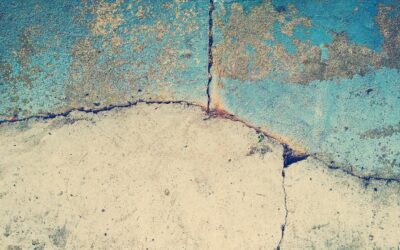
Here’s where the equation shifts. Concrete is a monolithic slab, and monolithic slabs crack. Freeze-thaw cycles, ground movement, and tree roots eventually produce cracks, and once a stamped slab cracks, there’s no invisible fix. Patches rarely match the original color and stamp pattern, so repairs stand out.
Pavers flex. Because they’re individual units over a flexible base, they absorb ground movement without cracking, and if one paver stains, sinks, or breaks, you lift it and swap in a new one. That repairability is the paver’s biggest long-term advantage and a major reason the answer to is stamped concrete cheaper than pavers gets complicated over time.
Maintenance Over the Years
Both surfaces need care, but in different ways:
- Stamped concrete: Needs a fresh sealer every 2 to 3 years to protect the color and surface. Resealing is a recurring cost and a bit of a chore.
- Pavers: May need occasional joint-sand replenishment and weed control between joints, plus periodic sealing if you want to lock the color, though many go unsealed.
Neither is maintenance-free, but the resealing schedule for stamped concrete is the more predictable ongoing expense.
Lifespan and Longevity
A well-installed stamped concrete surface lasts around 25 years, but its appearance can degrade sooner as cracks appear and color fades. Once serious cracking sets in, the fix is often a full tear-out and repour.
Quality pavers can last 30 to 50 years or more, and because damaged units are individually replaceable, the surface stays repairable for its whole life rather than reaching a single point of failure. Over a multi-decade horizon, pavers often deliver more usable years per dollar despite the higher entry price.
Resale Value and Curb Appeal
Buyers tend to perceive pavers as the premium, higher-end choice, and a paver driveway or patio can add more to a home’s curb appeal and perceived value. Stamped concrete looks great when new and freshly sealed, but a cracked or faded stamped surface reads as a maintenance liability to prospective buyers.
If you plan to sell within a few years, factor in how each surface will show. A pristine paver installation photographs and shows better than an aging slab.
Appearance and Design Options
Both surfaces offer strong design flexibility, but in different ways. Stamped concrete can mimic almost anything, brick, cobblestone, slate, wood plank, thanks to the wide variety of texture mats and integral colors available. Because it’s poured in place, it can flow around curves and irregular shapes seamlessly, and the color runs through the surface.
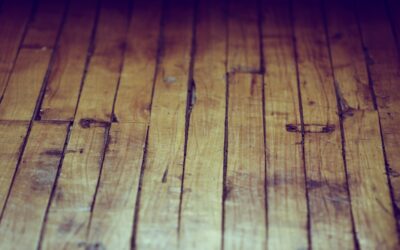
Pavers deliver authentic dimension and texture because each unit is a real, discrete piece with genuine depth and shadow lines between them. They come in countless shapes, sizes, and colors, and you can create intricate patterns like herringbone or circular fans. The look is unmistakably three-dimensional in a way a stamped imprint can’t fully replicate, though a well-done stamped job comes surprisingly close from a few feet away.
Climate and Ground Conditions
Where you live should weigh heavily on the decision. In regions with harsh freeze-thaw winters, the flexibility of pavers is a real advantage, since the interlocking units move with the frozen and thawing ground instead of cracking like a rigid slab. Stamped concrete in cold climates needs a quality sealer and proper control joints, and even then cracking is a real risk over the years.
In milder, stable climates, stamped concrete performs better and its cost advantage shines because cracking pressure is lower. Soil matters too: expansive clay soils that shift with moisture are tougher on rigid concrete than on flexible pavers. Factoring your climate into the question of is stamped concrete cheaper than pavers can change the honest answer for your specific property.
So Which Should You Choose?
If your priority is the lowest upfront cost and you’re comfortable resealing every couple of years and accepting that cracks may eventually appear, stamped concrete is genuinely cheaper to install. If you want the longest lifespan, easy spot repairs, and the strongest resale appeal, pavers justify their higher price over time. So is stamped concrete cheaper than pavers? Yes at the start, but pavers frequently win the long game. Match the choice to how long you’ll stay and how much repair hassle you’re willing to accept.
Whichever route you take, the quality of the installation matters more than the material itself. A poorly poured slab on an inadequate base will crack early no matter how you seal it, and pavers set on a thin or badly compacted base will sink and shift within a few seasons. Hire an experienced contractor, insist on a proper compacted base, and get the drainage right. A well-built surface of either type will serve you far better than a bargain job done wrong. In the end, the smartest choice weighs your upfront budget against how long you plan to stay, your local climate, and how much you value easy repairs, and only you can balance those factors for your own home and property.