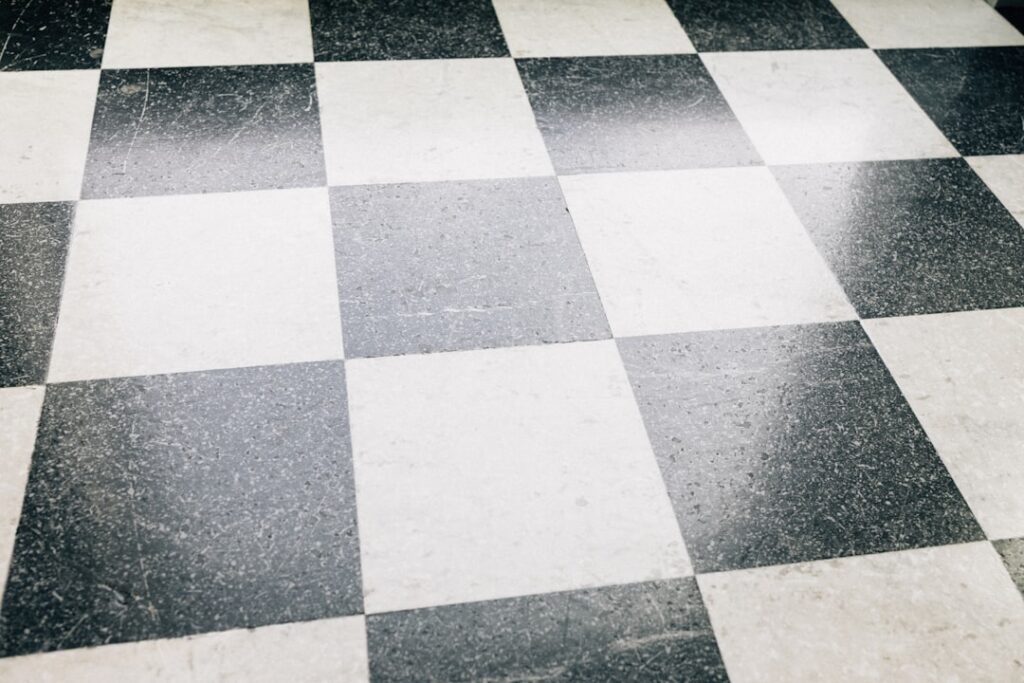
There are few flooring materials that blend artistry, durability, and heritage as seamlessly as terrazzo flooring. Composed of chips of marble, granite, glass, or other aggregates set into a cement or epoxy binder and then ground to a smooth, lustrous finish, a terrazzo floor is equal parts functional surface and decorative statement. You have almost certainly walked across it—in airport terminals, hotel lobbies, museums, and increasingly in high-end residential kitchens and living rooms.
In this comprehensive guide, we cover everything you need to know about terrazzo flooring—from its Italian origins and mid-century revival to the different types available, terrazzo floor cost per square foot, installation process, maintenance requirements, and stunning design possibilities. Whether you are comparing terrazzo to marble flooring or polished concrete, or simply exploring modern terrazzo flooring for your next project, you will find detailed answers here.
- What Is Terrazzo Flooring?
- A Brief History of Terrazzo
- Types of Terrazzo Flooring
- Terrazzo Types Compared
- Terrazzo Flooring Cost
- Installation Process
- Pros and Cons of Terrazzo Flooring
- Terrazzo Flooring Maintenance
- Design Options and Customization
- Residential vs. Commercial Terrazzo
- Terrazzo vs. Marble vs. Polished Concrete
- Sustainability and Environmental Impact
- Is Terrazzo Flooring Worth the Cost?
- Frequently Asked Questions About Terrazzo Flooring
- Final Thoughts
What Is Terrazzo Flooring?
Terrazzo is a composite flooring material made by embedding small chips of marble, granite, quartz, glass, shell, or other decorative aggregates into a cementitious or epoxy resin binder. Once the mixture is poured or applied and allowed to cure, the surface is ground and polished to reveal a smooth, speckled finish that showcases the embedded chips in all their color and texture.
The word “terrazzo” comes from the Italian word for “terrace,” reflecting the material’s origins as an outdoor surface. What makes a terrazzo floor unique is that no two installations are exactly alike. The size, color, and distribution of the aggregate chips create a naturally varied, one-of-a-kind pattern that cannot be replicated by printed or manufactured flooring products.
Modern terrazzo flooring is available in both poured-in-place systems and prefabricated terrazzo tiles, giving architects and homeowners flexibility in how the material is specified and installed. The aggregate options range from classic white marble chips in a grey cement base to vibrant recycled glass in a tinted epoxy binder, making terrazzo floor design possibilities virtually limitless.
A Brief History of Terrazzo
Terrazzo has roots stretching back over 500 years. Italian marble workers in Venice during the 15th and 16th centuries discovered that leftover chips of marble could be set into clay and goat milk to create an attractive, functional surface for terraces and patios. This resourceful use of waste material gave birth to a flooring tradition that would eventually spread across the globe.
By the 18th century, Venetian craftsmen had refined the technique, introducing the use of a weighted grinding stone called a “galera” to polish the surface smooth. Italian immigrants brought terrazzo to the Americas in the late 1800s, and the introduction of electric grinding machines and divider strips in the early 20th century transformed it into a scalable commercial flooring solution.
Terrazzo reached its peak popularity during the mid-century modern era of the 1950s and 1960s, when architects embraced it for schools, government buildings, airports, and shopping centers. After decades of being overshadowed by cheaper alternatives, modern terrazzo flooring has experienced a dramatic comeback since the mid-2010s. Designers and homeowners have rediscovered its beauty, and advances in epoxy binders and recycled aggregates have expanded what terrazzo can look like and where it can be used.
Types of Terrazzo Flooring
Understanding the different types of terrazzo is essential for choosing the right system for your project. Each type has distinct characteristics in terms of application method, durability, thickness, design flexibility, and cost.
Traditional Cement Terrazzo
Traditional terrazzo uses a Portland cement binder mixed with marble or stone chips. It is poured in place over a sand-cement underbed, typically resulting in a total system thickness of about 2.5 inches. Metal or plastic divider strips are embedded in the surface to control cracking and create design borders.
Cement terrazzo is extremely durable and has been the standard for commercial installations for over a century. However, its weight and thickness make it impractical for upper floors in many buildings, and the cement binder limits the color palette compared to newer epoxy systems. It remains a strong choice for ground-level commercial spaces where longevity is the top priority.
Epoxy Terrazzo
Epoxy terrazzo replaces the cement binder with a two-part epoxy resin, allowing for a much thinner installation—typically just 3/8 inch applied directly over a concrete substrate. The thinner profile means less weight and greater suitability for renovations and upper-story installations.
Beyond practical advantages, epoxy terrazzo opens up a far wider range of colors and design possibilities. The resin binder can be tinted to virtually any hue, and it accepts a broader variety of aggregates including recycled glass, mother-of-pearl, and metallic chips. Epoxy terrazzo also resists moisture better than cement terrazzo, making it suitable for areas like restrooms and commercial kitchens. It has become the preferred system for most new terrazzo installations, both commercial and residential.
Terrazzo Tiles
Terrazzo tiles are precast slabs manufactured in a factory and then installed on-site much like ceramic or natural stone tile. They are typically 12 by 12 inches or larger and can be made with either cement or epoxy binders. Tiles offer the look of terrazzo without the complexity and cost of a poured-in-place system.
Because they are factory-produced, terrazzo tiles offer consistent quality and can be installed by any experienced tile setter. They are an excellent option for residential projects, backsplashes, countertops, and smaller commercial spaces where a full poured terrazzo system would be cost-prohibitive.
Precast Terrazzo
Precast terrazzo refers to custom-manufactured terrazzo elements such as stair treads, window sills, base coves, wall panels, and countertops. These are produced off-site to exact specifications and delivered ready to install. Precast terrazzo ensures consistency across all elements in a project and allows terrazzo to extend beyond the floor to create a cohesive design throughout a space.
Terrazzo Types Compared
| Feature | Cement Terrazzo | Epoxy Terrazzo | Terrazzo Tiles | Precast Terrazzo |
|---|---|---|---|---|
| Binder | Portland cement | Epoxy resin | Cement or epoxy | Cement or epoxy |
| Thickness | ~2.5 inches (with underbed) | ~3/8 inch | 3/4 – 1 inch | Varies by element |
| Cost per Sq Ft | $25 – $55 | $30 – $75 | $15 – $40 | $35 – $75+ |
| Color Range | Limited (natural tones) | Virtually unlimited | Moderate to wide | Wide |
| Installation | Poured in place | Poured in place | Set like standard tile | Set and anchored on-site |
| Weight | Heavy | Lightweight | Moderate | Varies |
| Moisture Resistance | Moderate (porous) | High (non-porous) | Moderate to high | Moderate to high |
| Best For | Ground-level commercial | Commercial and high-end residential | Residential, smaller areas | Stairs, sills, countertops |
Terrazzo Flooring Cost
There is no way around it: terrazzo is a premium flooring material. Understanding the full picture of terrazzo floor cost helps you budget accurately and decide whether the investment aligns with your project goals.
Material and Installation Cost per Square Foot
- Terrazzo tiles: $15 – $40 per sq ft installed
- Cement terrazzo (poured in place): $25 – $55 per sq ft installed
- Epoxy terrazzo (poured in place): $30 – $75 per sq ft installed
- Precast terrazzo elements: $35 – $75+ per sq ft, depending on complexity
What Drives the Cost?
Several factors influence where your project falls within these ranges. The type and quality of aggregate plays a significant role—standard marble chips cost less than recycled glass, mother-of-pearl, or semi-precious stone. The complexity of the design matters as well: a simple single-color field is far less expensive than a multi-color pattern with custom logos and intricate divider strip layouts. Geographic location, subfloor condition, and project size also affect pricing, with larger projects generally achieving lower per-square-foot costs.
Total Project Cost Example
For a 400-square-foot residential kitchen and entryway using epoxy terrazzo with a moderately detailed design at $45 per sq ft installed, the total would be approximately $18,000. Terrazzo tiles covering the same area at $25 per sq ft would come in around $10,000. While these numbers are significantly higher than most conventional flooring options, the 75-year-plus lifespan of terrazzo means the lifetime cost per year can actually compare favorably to materials that need replacing every 15 to 25 years.
Installation Process
Installing a terrazzo floor is a skilled trade that requires specialized equipment and experience. Whether poured in place or tile-based, the process involves multiple stages.
Poured-in-Place Terrazzo Installation
- Subfloor preparation: The concrete substrate must be clean, level, and structurally sound. Any cracks or defects are repaired, and a bonding agent or primer is applied.
- Divider strip layout: Metal (zinc or brass) or plastic divider strips are installed to define design borders, control expansion, and separate color fields. This is where the artistic design of the floor takes shape.
- Mixing and pouring: The binder (cement or epoxy) is mixed with the chosen aggregates and poured or troweled into the divided sections. Workers spread and compact the mixture to eliminate air pockets.
- Curing: Cement terrazzo requires several days to cure. Epoxy terrazzo cures faster, typically within 24 hours.
- Grinding: Once cured, the surface is ground with progressively finer diamond abrasives to expose the aggregate chips and create a smooth, level surface. This is the step that transforms the rough pour into the signature terrazzo finish.
- Sealing and polishing: A penetrating sealer is applied to protect the surface, followed by polishing to the desired sheen level. The result is a seamless, luminous floor.
Terrazzo Tile Installation
Terrazzo tile installation follows a process similar to natural stone tile. Tiles are set in thin-set mortar over a prepared substrate, with consistent grout joints. After setting, the surface may be lightly ground and polished to create a more seamless appearance. While less labor-intensive than poured-in-place systems, tile installation still benefits from an installer experienced with stone and terrazzo products.
Pros and Cons of Terrazzo Flooring
Advantages
- Exceptional longevity: A properly installed and maintained terrazzo floor can last 75 years or more. Many terrazzo floors from the 1920s and 1930s are still in service today.
- Limitless design potential: Custom colors, patterns, logos, and medallions make terrazzo floor design possibilities virtually unlimited. From subtle, monochromatic elegance to bold, multicolored artwork, terrazzo can achieve it.
- Low long-term maintenance: Terrazzo requires only regular sweeping and occasional damp mopping. It does not need waxing, and when re-polishing is eventually needed, the floor can be restored to like-new condition.
- Seamless surface: Poured-in-place terrazzo creates a monolithic floor without grout lines, reducing areas where dirt and bacteria can accumulate.
- Sustainability: Terrazzo uses recycled materials (marble scraps, post-consumer glass) and lasts long enough to avoid repeated replacement cycles, making it one of the most environmentally responsible flooring choices available.
- Increases property value: Terrazzo is recognized as a premium material and adds significant value to both residential and commercial properties.
Disadvantages
- High upfront cost: Terrazzo is one of the most expensive flooring options, with installed costs ranging from $15 to $75 per square foot depending on the system and design complexity.
- Specialized installation: Poured terrazzo requires skilled craftspeople with specialized equipment. Finding qualified terrazzo contractors can be challenging in some regions.
- Hard and cold underfoot: Like concrete flooring and stone, terrazzo is a hard surface that can be uncomfortable for prolonged standing and feels cold without radiant heating.
- Slippery when wet: Polished terrazzo can be slick when wet, though anti-slip sealers and aggregate selection can mitigate this concern.
- Cracking potential: Cement terrazzo can develop hairline cracks over time, particularly if the underlying slab shifts. Epoxy terrazzo is more flexible and less prone to this issue.
- Long installation timeline: Poured-in-place systems require days to weeks from start to finish, which can be disruptive during renovations.
Terrazzo Flooring Maintenance
One of the most appealing aspects of a terrazzo floor is how little ongoing care it demands. With the right routine, your terrazzo will maintain its beauty for generations.
Daily and Weekly Care
- Dust mop or sweep daily in high-traffic areas to remove grit and debris that can dull the polished surface over time.
- Damp mop weekly with a neutral pH cleaner diluted in warm water. Avoid acidic cleaners (vinegar, citrus-based products) as they can etch the surface of cement-based terrazzo.
- Wipe up spills promptly, especially acidic substances like wine, coffee, or fruit juice.
Periodic Maintenance
- Apply a penetrating sealer every one to two years to maintain stain resistance and surface protection.
- Professional re-polishing every five to ten years will restore the floor’s original luster if it has dulled from heavy foot traffic.
- For cement terrazzo, periodic resealing helps compensate for the material’s natural porosity.
What to Avoid
- Never use harsh abrasive cleaners or steel wool on terrazzo, as they can scratch and damage the polished surface.
- Avoid oil-based cleaners that can leave a residue and attract dirt.
- Do not use wax-based floor polishes unless specifically recommended by your terrazzo contractor, as buildup can yellow and become difficult to remove.
Design Options and Customization
Perhaps the greatest advantage of terrazzo over other premium flooring materials is its design flexibility. A terrazzo floor design is limited only by imagination and budget.
Custom Colors and Aggregates
The binder can be tinted to almost any color, and the aggregate selection determines the floor’s texture and visual character. White marble chips in a white epoxy binder create a clean, minimalist look. Colored glass in a deep blue or emerald binder produces a vibrant, contemporary effect. Mixing aggregate sizes—from fine chips to large, statement-sized pieces—adds depth and visual interest.
Patterns, Logos, and Medallions
Divider strips allow terrazzo artisans to create geometric patterns, flowing curves, borders, compass roses, custom logos, and even representational artwork directly in the floor. This capability has made terrazzo a favorite for branding in retail stores, corporate lobbies, universities, and airports. Residential projects can incorporate personalized designs, family crests, or abstract compositions that turn the floor into a focal point of the home.
Modern Terrazzo Trends
Modern terrazzo flooring trends lean toward larger aggregate chips for a bolder, more graphic look, soft pastel binder colors, and recycled glass for an eco-conscious aesthetic. The terrazzo look has become so popular that it has inspired terrazzo-patterned wallpaper, textiles, and even phone cases—but nothing matches the depth and authenticity of the real material underfoot.
Residential vs. Commercial Terrazzo
Commercial Applications
Terrazzo has been a staple of commercial flooring for over a century, and for good reason. Its extreme durability handles millions of footsteps per year without deteriorating. The seamless surface simplifies cleaning and sanitation, making it ideal for hospitals, schools, airports, museums, and retail spaces. Large commercial projects also benefit from economies of scale that bring the per-square-foot cost down significantly compared to small residential installations.
Residential Applications
Residential terrazzo has surged in popularity as homeowners seek distinctive, long-lasting alternatives to conventional flooring. Terrazzo tiles make the material accessible for kitchen floors, bathroom floors, entryways, and even outdoor patios. Poured epoxy terrazzo is increasingly specified in high-end custom homes where the homeowner wants a truly unique, seamless floor. Pairing terrazzo with radiant floor heating addresses the “cold underfoot” concern and creates a luxuriously warm surface.
Terrazzo vs. Marble vs. Polished Concrete
Homeowners considering premium hard-surface flooring often weigh terrazzo against marble flooring and polished concrete. Here is how they compare on the factors that matter most.
Durability: Terrazzo and polished concrete are both extremely hard-wearing and suitable for heavy traffic. Marble, while durable, is softer and more prone to scratching and etching from acidic substances. Terrazzo wins for long-term resilience in high-traffic environments.
Design flexibility: Terrazzo offers the most customization by far, with unlimited color combinations, patterns, and embedded designs. Marble is limited to the natural veining and color of the stone slab. Polished concrete can be stained or dyed but lacks the decorative depth of terrazzo.
Cost: Polished concrete is the most affordable of the three, typically $3 to $15 per square foot. Marble ranges from $10 to $50 per square foot depending on the variety. Terrazzo sits at the premium end at $15 to $75 per square foot but delivers a longer lifespan than marble and far more design versatility than either alternative.
Maintenance: Polished concrete requires periodic resealing but is otherwise low-maintenance. Marble demands regular sealing and careful avoidance of acidic cleaners. Terrazzo falls between the two, requiring less care than marble but slightly more than a basic polished concrete slab.
Appearance: Marble offers unmatched natural veining and depth. Terrazzo delivers a speckled, mosaic-like aesthetic that ranges from subtle to bold. Polished concrete has a minimalist, industrial character. The best choice depends entirely on the design vision for the space.
Sustainability and Environmental Impact
In an era of increasing environmental awareness, terrazzo stands out as one of the most sustainable flooring options available. Its eco-credentials stem from several factors.
First, terrazzo has always been a recycled material at its core. The original Venetian terrazzo was literally made from marble scraps that would otherwise have been discarded. Today, many terrazzo manufacturers incorporate post-consumer recycled glass, reclaimed stone chips, and even recycled porcelain as aggregates, diverting waste from landfills.
Second, the extraordinary lifespan of a terrazzo floor—75 years or more—means it does not contribute to the cycle of replacement and disposal that shorter-lived flooring materials create. When you compare the environmental cost of one terrazzo installation to three or four rounds of carpet, vinyl, or even hardwood over the same period, terrazzo’s footprint is remarkably low.
Third, terrazzo does not off-gas volatile organic compounds (VOCs) in the way that many adhesive-heavy flooring systems can, contributing to better indoor air quality. Epoxy flooring systems, including epoxy terrazzo, have also improved significantly in this regard, with many low-VOC and zero-VOC formulations now available.
Is Terrazzo Flooring Worth the Cost?
The upfront price of terrazzo undeniably gives many homeowners pause. At $15 to $75 per square foot, it is several times more expensive than mainstream options like laminate, vinyl, or even standard hardwood. So is it worth it?
The answer depends on your priorities. If you are building or renovating a home you plan to live in for decades, terrazzo’s lifecycle cost becomes very competitive. A floor that lasts 75 to 100 years without needing replacement offsets the initial investment over time. Factor in minimal maintenance costs, the elimination of periodic refinishing or replacement cycles, and a meaningful boost to property value, and the financial case for terrazzo strengthens considerably.
From a design standpoint, terrazzo offers something that almost no other flooring material can match: a completely custom, one-of-a-kind floor that functions as both a practical surface and a piece of art. For homeowners and designers who value that combination of beauty, durability, and individuality, terrazzo is not just worth the cost—it is the obvious choice.
For those who love the terrazzo aesthetic but need to manage budget constraints, terrazzo tiles provide an accessible entry point at the lower end of the price range, while still delivering the authentic look and feel of real terrazzo.
Frequently Asked Questions About Terrazzo Flooring
How long does a terrazzo floor last?
A properly installed and maintained terrazzo floor can last 75 years or more. Many terrazzo floors installed in the early 20th century are still in active use today in public buildings, schools, and commercial spaces. The key to longevity is proper installation over a stable substrate, regular cleaning, periodic resealing, and professional re-polishing when the surface begins to dull. Epoxy terrazzo and cement terrazzo have comparable lifespans when maintained correctly.
Can terrazzo flooring be installed in a home?
Yes, terrazzo flooring is increasingly popular in residential settings. Terrazzo tiles are the most practical option for most homes, as they can be installed by an experienced tile professional without the specialized equipment needed for poured systems. Poured epoxy terrazzo is also used in custom homes, particularly in kitchens, bathrooms, and entryways. Pairing terrazzo with radiant floor heating makes it comfortable underfoot year-round.
What is the difference between cement terrazzo and epoxy terrazzo?
Cement terrazzo uses a Portland cement binder and is installed over a thick sand-cement underbed, resulting in a total thickness of about 2.5 inches. Epoxy terrazzo uses a resin binder applied in a thin 3/8-inch layer directly over concrete. Epoxy terrazzo offers more color options, better moisture resistance, lighter weight, and faster curing times. Cement terrazzo is typically less expensive and has a more traditional look. Both systems are extremely durable and long-lasting.
Is terrazzo flooring slippery?
Polished terrazzo can be slippery when wet, similar to polished marble or natural stone. However, this can be mitigated in several ways. Anti-slip sealers can be applied to increase surface traction. Specifying a honed rather than high-gloss polish provides better grip. In areas where moisture is expected, such as building entrances or restrooms, terrazzo contractors can select aggregates and finishes that meet slip-resistance standards.
Can a damaged terrazzo floor be repaired?
Yes, terrazzo is one of the few flooring materials that can be fully restored rather than replaced. Small chips and cracks can be filled with a matching epoxy or cement patch. Stains and surface dullness are addressed through professional grinding and re-polishing, which removes the damaged top layer and reveals a fresh surface beneath. Even severely neglected terrazzo floors that appear beyond saving can often be brought back to life by an experienced terrazzo restoration specialist.
Final Thoughts
Terrazzo flooring occupies a unique position in the world of interior surfaces. It is simultaneously one of the oldest flooring traditions and one of the most relevant to contemporary design. Its combination of extreme durability, limitless customization, low lifecycle maintenance, and genuine sustainability makes it a compelling choice for anyone willing to invest in a floor that will last a lifetime—and likely several lifetimes beyond.
Whether you are drawn to the classic elegance of marble-chip cement terrazzo, the vibrant design freedom of epoxy terrazzo, or the accessible beauty of terrazzo tiles, the key is to work with experienced professionals who understand the material and can help translate your vision into a finished floor. A well-executed terrazzo installation is not just a floor. It is a legacy.
Prefer to explore on your own?
See how new flooring looks in your actual room in seconds — free, no signup.
Try the free Floor Studio →