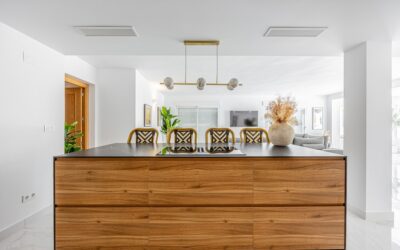
There are few materials that convey luxury quite like marble flooring. For thousands of years, from the temples of ancient Rome to the grand lobbies of five-star hotels, marble has been the flooring material of choice when the goal is elegance without compromise. A marble floor brings depth, movement, and a sense of permanence that manufactured materials struggle to replicate.
Part of our Countertops guide — explore the full guide →
Yet marble is also a material that demands respect. It is softer than granite, vulnerable to acidic spills, and requires regular sealing to maintain its beauty. Choosing marble means committing to a maintenance routine—but for homeowners who make that commitment, the payoff is a floor that appreciates in both beauty and home value over decades.
- What Is Marble Flooring?
- Types of Marble for Flooring
- Marble Types Compared
- Marble Flooring Finishes: Polished vs Honed vs Tumbled
- Marble Flooring Cost
- Marble Flooring Installation
- Sealing Requirements for Marble Floors
- Pros and Cons of Marble Flooring
- Maintenance and Care for Marble Floors
- Best Rooms for Marble Flooring
- Marble Flooring vs Porcelain Tile
- Marble Flooring vs Granite
- Marble Flooring vs Travertine
- Radiant Heat Compatibility
- Durability Concerns: What You Need to Know
- Frequently Asked Questions About Marble Flooring
In this comprehensive guide, we cover everything you need to know about marble flooring—from the most popular marble types and finish options to marble flooring cost, installation requirements, sealing schedules, and the best rooms to install it in. We also compare marble to alternatives like porcelain tile, granite, and travertine so you can make a fully informed decision. If you are exploring the broader category, our natural stone flooring guide is a valuable companion read.
What Is Marble Flooring?
Marble is a metamorphic rock formed when limestone is subjected to intense heat and pressure deep within the earth’s crust over millions of years. This geological process recrystallizes the calcium carbonate in limestone, producing the dense, veined stone we recognize as marble. The distinctive veining patterns are created by mineral impurities—iron oxide produces reds and pinks, clay creates brown and grey streaks, and serpentine minerals introduce greens.
Marble floor tiles are cut and finished slabs of this natural stone, typically available in 12×12, 18×18, and 24×24 inch formats, though custom sizes and mosaic patterns are also common. Each tile is unique because no two slabs of marble are identical, giving every marble floor a one-of-a-kind character that cannot be achieved with printed or engineered products.
As a flooring material, marble rates between 3 and 5 on the Mohs hardness scale, making it considerably softer than granite (6–7) or porcelain (7–8). This softness is both its charm and its challenge: marble is easy to cut and polish into exquisite shapes, but it is also susceptible to scratching, etching, and staining without proper care.
Types of Marble for Flooring
Not all marble is created equal. The quarry of origin determines the stone’s color palette, veining intensity, hardness, and price. Understanding the major marble flooring varieties helps you match the stone to your design vision and budget.
Carrara Marble
Quarried in the Carrara region of Tuscany, Italy, Carrara marble is the most widely available and affordable white marble on the market. It features a soft grey-white background with feathery grey veining that ranges from subtle to moderate. A Carrara marble floor works beautifully in bathrooms, entryways, and kitchens where you want understated elegance without the premium price tag of rarer varieties.
Carrara typically costs between $10 and $25 per square foot for tiles, making it the entry point into white marble flooring. Its widespread availability also means finding replacement tiles years later is far easier than with boutique marbles.
Calacatta Marble
Often confused with Carrara, Calacatta marble also comes from Italy but is far rarer and more expensive. It features a brighter, whiter background with bold, dramatic veining in gold or dark grey tones. The veining in Calacatta is thicker and more pronounced, creating a striking visual statement that has made it one of the most coveted natural stones in interior design.
Calacatta marble flooring typically runs $25 to $50 or more per square foot. Because of its rarity, it is frequently used as a feature floor in foyers, master bathrooms, and formal living spaces rather than throughout an entire home.
Statuario Marble
Statuario marble is the rarest of the three major Italian white marbles. It is distinguished by a luminous white base with dramatic grey and sometimes gold veining that creates bold, sweeping patterns. Michelangelo famously chose Statuario for his sculptures because of its exceptional translucency and fine grain.
For flooring, Statuario commands premium prices of $30 to $50+ per square foot. It is best reserved for high-impact areas where the stone can be showcased as the centerpiece of a design scheme, such as grand entryways or spa-style master bathrooms.
Emperador Marble
Emperador marble breaks from the white marble tradition with its rich brown tones. Quarried primarily in Spain, it comes in Dark Emperador (deep chocolate brown with fine white and gold veining) and Light Emperador (warm tan with softer veining). This variety brings warmth and depth to spaces and pairs exceptionally well with wood furniture and earth-tone palettes.
Emperador marble floor tiles typically cost $8 to $20 per square foot, making them an affordable option for homeowners who want the luxury of marble without the maintenance anxiety that comes with lighter colors.
Crema Marfil Marble
Crema Marfil is a Spanish marble prized for its consistent, creamy beige tone with subtle veining. It has a warm, neutral palette that complements virtually any interior style, from traditional to contemporary. Its relative color consistency compared to other marbles makes it a practical choice for large-format flooring projects where visual uniformity across the floor is important.
At $8 to $18 per square foot, Crema Marfil offers excellent value. It is a popular choice for open-plan living areas, hotel lobbies, and commercial spaces where large quantities of visually cohesive marble are needed.
Marble Types Compared
| Marble Type | Cost per Sq Ft | Color | Veining | Durability | Best Use |
|---|---|---|---|---|---|
| Carrara | $10 – $25 | Grey-white | Subtle to moderate grey | Moderate | Bathrooms, kitchens, entryways |
| Calacatta | $25 – $50+ | Bright white | Bold gold or dark grey | Moderate | Foyers, master baths, feature floors |
| Statuario | $30 – $50+ | Luminous white | Dramatic grey and gold | Moderate | Grand entryways, luxury bathrooms |
| Emperador | $8 – $20 | Brown (dark or light) | Fine white and gold | Moderate to good | Living rooms, hallways, offices |
| Crema Marfil | $8 – $18 | Creamy beige | Subtle, consistent | Moderate to good | Open-plan living, lobbies, large areas |
Marble Flooring Finishes: Polished vs Honed vs Tumbled
The finish applied to your marble floor tiles dramatically affects both the appearance and performance of the stone. Each finish alters the texture, sheen, and slip resistance, so your choice should reflect how and where the floor will be used.
Polished Marble
A polished marble floor has a mirror-like, high-gloss surface that brings out the full depth of color and veining in the stone. Polishing is achieved by grinding the surface with progressively finer abrasives until it becomes reflective. This finish is the most visually striking and is the classic look associated with luxury marble interiors.
However, polished marble is also the most slippery when wet and the most likely to show etching from acidic substances. It is best suited to entryways, formal living rooms, and dining areas—spaces where foot traffic is moderate and spills are infrequent. In bathrooms or kitchens, consider a honed or tumbled finish for safety.
Honed Marble
Honed marble has a smooth, matte finish with little to no sheen. The stone is ground flat but not polished to a gloss. This finish gives marble a softer, more contemporary look and offers significantly better slip resistance than polished surfaces.
Honed marble is the preferred choice for bathroom flooring and kitchen floors because it provides traction when wet. The trade-off is that honed surfaces are more porous and can absorb stains more readily than polished marble, making diligent sealing even more important.
Tumbled Marble
Tumbled marble has a rustic, aged appearance achieved by tumbling cut tiles with sand, pebbles, and acidic solutions in a drum. The process rounds the edges, pits the surface slightly, and gives the stone an antique, weathered texture reminiscent of old Mediterranean villas.
This finish excels in informal spaces, outdoor areas, and shower floors where its textured surface provides excellent grip. Tumbled marble is the most porous of the three finishes and requires thorough sealing before and after grouting. It pairs naturally with earth-tone marbles like Emperador and Crema Marfil.
Marble Flooring Cost
Understanding the full marble flooring cost requires looking beyond the price of the tile itself. The total investment includes materials, installation labor, sealing, and ongoing maintenance.
Material Costs
Marble floor tiles range from approximately $10 to $50 or more per square foot depending on the variety, rarity, finish, and tile size. Budget-friendly options like Carrara and Crema Marfil sit at the lower end, while premium Calacatta and Statuario occupy the upper range. Exotic or specialty marbles can exceed $100 per square foot for rare colors and large-format slabs.
Installation Costs
Professional installation of marble flooring typically costs $5 to $15 per square foot for labor, depending on the complexity of the layout, tile size, and regional labor rates. Intricate patterns, diagonal layouts, and custom medallion inlays will push labor costs toward the higher end. Subfloor preparation, including leveling and waterproofing, can add $2 to $5 per square foot.
Total Installed Cost
For a standard 200-square-foot project using mid-range marble like Carrara with a straightforward grid pattern, expect a total installed cost of $3,500 to $8,000 including materials, labor, and initial sealing. Premium installations with Calacatta or Statuario in complex patterns can easily reach $12,000 to $20,000 or more for the same area.
[CTA: Get free quotes from marble flooring installers in your area]
Marble Flooring Installation
Installing a marble floor is a specialized task that differs from standard ceramic or porcelain tile flooring installation in several important ways. The stone’s weight, fragility, and translucency require specific techniques and materials.
Subfloor Requirements
Marble demands a perfectly level, rigid, and clean subfloor. Any flex or unevenness in the substrate will eventually cause tiles to crack. For concrete subfloors, a moisture test is essential because trapped moisture beneath marble can cause discoloration, efflorescence, or adhesive failure. Plywood subfloors should be overlaid with cement backer board to provide the necessary rigidity.
Setting Materials
White marble flooring and other light-colored marbles must be set with white thinset mortar rather than standard grey. Grey mortar can telegraph through lighter stones, creating a shadowy, uneven appearance. A high-quality modified white thinset designed for natural stone is the standard for professional marble installations.
Grouting
Unsanded grout is recommended for marble because sanded grout can scratch the polished surface during application. Grout joints for marble are typically kept narrow—1/16 to 1/8 inch—to create a seamless appearance. Epoxy grout is an excellent choice for marble floors in wet areas because it resists staining and does not require separate sealing.
Professional vs DIY Installation
While experienced DIYers can install marble floor tiles, professional installation is strongly recommended. Marble is expensive to replace if cracked during cutting or setting, and achieving lippage-free results with natural stone requires skill and specialized tools, including a wet saw with a diamond blade. The cost of professional labor is a worthwhile insurance policy on your material investment.
Sealing Requirements for Marble Floors
Sealing is not optional with marble—it is essential. Marble is a porous stone, and without a quality penetrating sealer, it will absorb liquids, oils, and acids that cause permanent staining and etching.
A penetrating (impregnating) sealer should be applied before grouting, after grouting, and then reapplied every 6 to 12 months depending on traffic levels and the finish type. Honed and tumbled surfaces absorb sealer more readily and may need more frequent reapplication than polished marble.
Topical sealers that create a surface film are generally not recommended for marble floors because they can create a plastic-like appearance, become slippery when wet, and peel or yellow over time. Penetrating sealers are invisible, breathable, and protect the stone from within without altering its natural look.
To test whether your marble floor needs resealing, place a few drops of water on the surface. If the water beads up, the sealer is still effective. If it absorbs within a few minutes, it is time to reseal.
Pros and Cons of Marble Flooring
Pros
- Unmatched natural beauty. Every marble tile is unique, with veining and color variations that create a floor of extraordinary visual depth and character.
- Increases home value. Marble flooring is a recognized luxury feature that can significantly boost your home’s resale value and buyer appeal.
- Cool underfoot. Marble naturally stays cool, making it ideal for warm climates and homes with radiant floor heating systems.
- Longevity. With proper care, a marble floor can last a lifetime and beyond. Many marble floors in historic buildings are centuries old and still beautiful.
- Variety of finishes. Polished, honed, and tumbled finishes allow marble to suit both formal and casual design schemes.
- Radiant heat compatible. Marble’s thermal conductivity makes it one of the best flooring materials for radiant heating systems, distributing warmth evenly and efficiently.
Cons
- Stain-prone. Marble absorbs liquids quickly. Wine, coffee, citrus juice, and oil can leave lasting marks if not wiped up immediately.
- Etching from acid. Acidic substances—including vinegar, lemon juice, tomato sauce, and many household cleaners—react with the calcium carbonate in marble, causing dull spots called etch marks that cannot be removed by cleaning alone.
- Scratches easily. As a soft stone, marble is susceptible to scratching from grit, furniture legs, and pet claws. Felt pads and regular sweeping are essential.
- Requires regular sealing. Unlike porcelain or luxury vinyl, marble needs sealing every 6 to 12 months to maintain stain resistance.
- High cost. Between materials, installation, and ongoing maintenance, marble flooring is among the most expensive flooring options available.
- Slippery when polished. Polished marble can be dangerously slippery when wet, limiting its suitability in some areas without the right finish.
Maintenance and Care for Marble Floors
Maintaining a marble floor requires consistent attention, but the routine is straightforward once established. The key is prevention: stopping damage before it happens is far easier than repairing marble after the fact.
Daily and Weekly Care
Sweep or dust-mop your marble floor daily to remove grit and debris that can scratch the surface. Use a microfiber dust mop rather than a broom with stiff bristles. For weekly mopping, use warm water with a pH-neutral stone cleaner. Never use vinegar, bleach, ammonia, or any acidic or abrasive cleaner on marble.
Stain Removal
Blot spills immediately—never wipe, as this spreads the liquid. For organic stains like coffee or wine, a poultice made from baking soda and water can draw the stain out of the stone over 24 to 48 hours. Oil-based stains require a poultice with a solvent like acetone. For persistent or deep stains, consult a professional stone restoration specialist.
Etch Mark Repair
Etch marks on polished marble can sometimes be buffed out with marble polishing powder and a soft cloth. Deeper etches may require professional honing and repolishing. On honed marble, etch marks are less visible because the surface is already matte, which is one reason many homeowners choose a honed finish for high-use areas like kitchens.
Long-Term Maintenance
Place mats at all entryways to trap grit. Use coasters under all glasses and bottles. Fit furniture legs with felt pads. Avoid dragging heavy objects across the floor. Schedule professional deep cleaning and resealing annually for high-traffic marble floors. With this routine, your marble floor will maintain its beauty for generations.
Best Rooms for Marble Flooring
Marble works exceptionally well in certain spaces and requires extra consideration in others. Here is where marble flooring shines brightest.
Entryways and Foyers
A marble floor in the entryway makes a powerful first impression. The controlled traffic and low risk of food spills make this one of the best locations for polished marble. Choose a durable variety like Crema Marfil or Emperador to handle foot traffic, and place a quality doormat to catch grit from shoes.
Bathrooms
Marble and bathrooms have been paired since Roman times. A honed or tumbled marble floor in the bathroom creates a spa-like atmosphere that elevates the daily routine. Use honed marble for slip resistance, ensure excellent ventilation to prevent moisture buildup, and seal diligently. For more options, explore our bathroom flooring guide.
Kitchens
Marble in the kitchen is a bold choice that rewards careful homeowners. Honed Carrara or Crema Marfil is popular for kitchen floors because the matte finish hides minor etching better than polished stone. Accept that a kitchen marble floor will develop a patina over time—many homeowners find this lived-in character adds to the charm.
Living and Dining Rooms
Formal living and dining areas are excellent candidates for polished marble floor installations. The controlled environment, low moisture exposure, and moderate traffic make these spaces ideal for showcasing the full beauty of polished Calacatta or Statuario.
Marble Flooring vs Porcelain Tile
Porcelain tile that mimics marble has become remarkably convincing, and the comparison between real marble and marble-look porcelain tile is one of the most common decisions homeowners face.
Porcelain wins on practicality: it is harder (rated 7–8 on the Mohs scale), virtually non-porous, resistant to staining and etching, requires no sealing, and costs $3 to $12 per square foot installed. It is available in large-format tiles that replicate the veining of Carrara, Calacatta, and other popular marbles with impressive accuracy.
Marble wins on authenticity: no print can fully replicate the depth, translucency, and cool touch of real stone. Each marble tile is unique, whereas porcelain patterns repeat. Marble also offers a cooler, more substantial feel underfoot that porcelain cannot match.
Choose porcelain if you want the marble look with minimal maintenance. Choose real marble if you value the authenticity, character, and prestige of natural stone and are prepared for the care it requires.
Marble Flooring vs Granite
Granite is a harder, more durable natural stone that rates 6–7 on the Mohs scale compared to marble’s 3–5. It is far more resistant to scratching, etching, and staining, making it a lower-maintenance natural stone floor option.
However, granite lacks the dramatic veining that defines marble’s aesthetic appeal. Granite tends to have a more uniform, speckled appearance that reads as solid and functional rather than artistic and luxurious. Marble’s veining creates a sense of movement and drama that granite rarely achieves.
Granite flooring typically costs $5 to $25 per square foot for materials, making it comparable to mid-range marble varieties. For high-traffic areas or kitchens where durability is the priority, granite is the more forgiving choice. For spaces where visual impact matters most, marble is the clear winner.
Marble Flooring vs Travertine
Travertine is a form of limestone closely related to marble in geological origin but with a distinctly different character. It features natural pitting and a warm, earthy color palette that ranges from ivory and gold to walnut and rust.
Travertine is slightly softer than marble and similarly porous, so both require sealing. However, travertine’s naturally textured surface hides wear better than marble’s refined finish, making it a forgiving choice for busy households. Travertine costs $3 to $15 per square foot for tiles, making it a more budget-friendly natural stone alternative.
Choose travertine for a warm, Mediterranean or rustic aesthetic. Choose marble for a clean, luxurious, or contemporary look. Both are excellent natural stones that pair well with radiant heating systems. For another natural stone option that combines stone aggregate with a polished finish, consider terrazzo flooring.
Radiant Heat Compatibility
Marble is one of the best flooring materials for radiant floor heating systems. Its natural thermal conductivity means it absorbs and distributes heat evenly and efficiently, warming the floor surface quickly and maintaining consistent temperatures across the room.
The cool-to-the-touch nature of marble in unheated settings becomes a distinct advantage when paired with radiant heat: the stone warms to a comfortable temperature that makes walking barefoot a pleasure, especially in bathrooms and bedrooms during colder months.
When installing marble over radiant heat, ensure the heating system is tested and run for at least 48 hours before tile installation to check for any issues. Use a flexible, heat-rated thinset mortar to accommodate the thermal expansion and contraction cycles. Allow the system to reach full temperature gradually over several days after installation to prevent thermal shock to the adhesive bond.
Durability Concerns: What You Need to Know
Marble’s beauty comes with genuine durability limitations that every buyer should understand before committing.
Softness. Marble rates 3–5 on the Mohs hardness scale, meaning it is softer than a steel knife blade. Sand and grit tracked in on shoes can scratch polished surfaces over time, which is why daily sweeping and entrance mats are non-negotiable for marble floor owners.
Etching. Any acidic substance—citrus juice, wine, vinegar, tomato sauce, some cleaning products—will chemically react with marble’s calcium carbonate surface, leaving dull white spots called etch marks. Etching is not a stain and cannot be cleaned away; it requires polishing or honing to remove. This is the single most important maintenance concern with marble flooring.
Cracking. As a natural stone, marble can crack if subjected to heavy impact or if installed over a subfloor that flexes. Proper subfloor preparation and the use of an anti-fracture membrane can minimize this risk significantly.
Wear patterns. In high-traffic areas, polished marble will eventually dull from foot traffic. This is normal and can be addressed through periodic professional polishing. Many owners of marble floors schedule professional restoration every 3 to 5 years to maintain the original luster.
[CTA: Schedule a free consultation with a marble flooring specialist near you]
Frequently Asked Questions About Marble Flooring
Is marble flooring worth the cost?
Marble flooring is a significant investment, but for the right application, it offers unmatched beauty, longevity, and a measurable increase in home value. If you are renovating a primary living space or bathroom and value natural materials and luxury aesthetics, marble delivers a return that few other flooring materials can match. For budget-conscious projects or high-traffic family homes with young children and pets, more durable options like porcelain or granite may offer better long-term value.
How often does marble flooring need to be sealed?
Most marble floors need to be sealed every 6 to 12 months, depending on the finish and traffic level. Polished marble is slightly less porous than honed or tumbled marble and may go longer between sealings. A simple water drop test—placing a few drops on the surface and watching whether they bead up or absorb—tells you when resealing is needed. Always use a penetrating (impregnating) sealer designed specifically for natural stone.
Can marble flooring be used in kitchens?
Yes, marble can be used in kitchens, but it requires a realistic understanding of how the stone will perform. Acidic foods and liquids will etch the surface, and spills must be cleaned immediately to prevent staining. Choosing a honed finish helps conceal minor etching. Many homeowners who install marble kitchen floors embrace the natural patina that develops over time as part of the stone’s character. If low maintenance is a priority, marble-look porcelain tile is a practical alternative.
Does marble flooring work with underfloor heating?
Marble is an excellent conductor of heat and is one of the best-performing flooring materials over radiant heating systems. It absorbs warmth quickly and distributes it evenly across the floor surface. Use a flexible, heat-rated thinset during installation and bring the heating system up to temperature gradually over several days after the installation is complete. The combination of marble and radiant heat is particularly popular in bathrooms and bedrooms.
How do you remove etch marks from marble floors?
Light etch marks on polished marble can often be removed at home using marble polishing powder (tin oxide) and a damp cloth, buffing the affected area in circular motions until the gloss is restored. Deeper etch marks or large affected areas typically require professional honing and repolishing with diamond abrasive pads. On honed marble, minor etching is far less noticeable because the surface is already matte, which is why honed finishes are recommended for kitchens and bathrooms where acidic spills are more common.
Prefer to explore on your own?
See how new flooring looks in your actual room in seconds — free, no signup.
Try the free Floor Studio →