A bathtub remodel can mean anything from a $400 weekend reglaze to a $12,000 tub-to-shower conversion that reworks the plumbing and waterproofing. Knowing which project you actually need is the difference between spending wisely and pouring money into a fix that fails in two years. The old tub’s condition, your plumbing, and how you use the space should drive the decision, not a showroom pitch.
This guide lays out the real options, what each costs, and the steps that keep water where it belongs. Water is the enemy in any bathroom, and a tub area that isn’t waterproofed correctly leaks into the subfloor and the ceiling below long before you notice.
Deciding What Kind of Remodel You Need
Start by diagnosing the existing tub. If a cast-iron or steel tub is structurally sound but the surface is chipped, stained, or dated, refinishing or reglazing restores it for $350 to $600 and lasts five to ten years with gentle care. If the tub is cracked, the surround is failing, or you simply never take baths, replacement or conversion makes more sense.
Think about who uses the bathroom. Households with young kids often keep a tub for practicality and resale, since a home with zero tubs can turn off buyers. Empty nesters frequently convert a rarely used tub into a spacious walk-in shower for daily comfort and easier access. Match the remodel to the next ten years of use, not the last ten.
Refinishing Versus Replacement
Refinishing is the budget play. A pro strips, etches, and sprays a new acrylic or epoxy coating over the existing tub in a few hours, and it’s usable the next day. The catch is durability: even a good reglaze wears at the drain and around high-use spots, and harsh cleaners strip it fast. Use only non-abrasive cleaners and it can look great for a decade.
Replacement costs $1,500 to $4,500 installed for a standard alcove tub, more if the surround and plumbing need work. It resets the clock entirely and lets you upgrade to a deeper soaking tub or a low-threshold model. The hidden cost is demolition, because removing a cast-iron tub often means breaking it up in place, and old tile surrounds frequently reveal water damage behind them that must be repaired before the new tub goes in.
Tub-to-Shower Conversions
Converting a tub to a walk-in shower is the most popular bathtub remodel today, running $3,000 to $12,000 depending on materials and plumbing changes. The tub comes out, the drain relocates a few inches, and a shower pan and surround go in. Choose between a prefabricated acrylic shower system, which installs in a day or two and resists leaks well, or a fully tiled shower, which looks custom but demands flawless waterproofing.
The plumbing swap is the technical heart of the job. A tub drain sits at one end; a shower drain typically centers or moves to the back, so a plumber reworks the drain and often the valve. If you’re keeping the option of aging in place, spec a low or zero-threshold curbless entry now, while the floor is open, because retrofitting it later means tearing the room apart again.
Waterproofing Done Right
This is where corners get cut and showers fail. Cement backer board is not waterproof on its own. Behind any tiled tub surround or shower wall, you need a waterproof membrane, either a liquid-applied product like RedGard rolled over the backer or a sheet membrane like Schluter Kerdi. On a shower floor, the pan liner and pre-slope must direct any water that penetrates the tile back to the weep holes at the drain.
Skipping the membrane is the single biggest cause of leaks that rot the subfloor and stain the ceiling below within a few years. If you’re hiring a contractor, ask specifically which waterproofing system they use and get it in the written scope. If a bid comes in suspiciously low, this is often the step being quietly omitted. Proper waterproofing adds a few hundred dollars and saves thousands in future repairs.
Choosing Materials for the Surround
You have three main routes for the walls around the tub. Acrylic and fiberglass surround kits cost $200 to $1,000, install fast, and have no grout to maintain, though they read less premium. Solid surface panels in a stone look, at $800 to $2,500, split the difference with a seamless, low-maintenance finish. Tile costs the most in labor but offers unlimited design freedom and the highest-end appearance.
If you go with tile, large-format porcelain reduces grout lines and cleaning. Use a quality epoxy grout or a well-sealed cement grout, and build a recessed niche for bottles during the tile phase rather than adding a corner caddy later. For the tub itself, acrylic tubs are light and warm to the touch, while enameled steel and cast iron feel more solid and hold heat longer but weigh far more and cost more to move.
Beware the One-Day Bath Systems
You’ve seen the ads for one-day acrylic tub and shower systems that fit a new liner over your old tub. They install fast and come with strong warranties, but they carry a premium price, often $4,000 to $10,000 for what is essentially an acrylic liner and wall kit. The convenience is real, and for a homeowner who can’t tolerate a week of construction, it can be worth it.
The concern is what’s underneath. A liner installed over a tub or surround with hidden water damage traps the problem instead of fixing it. If the existing tub and walls are sound, a liner system is a legitimate quick fix. If there’s any sign of soft floor, mold smell, or previous leaks, insist on removing the old materials so the substrate can be inspected and repaired first.
Choosing the Right Tub Type
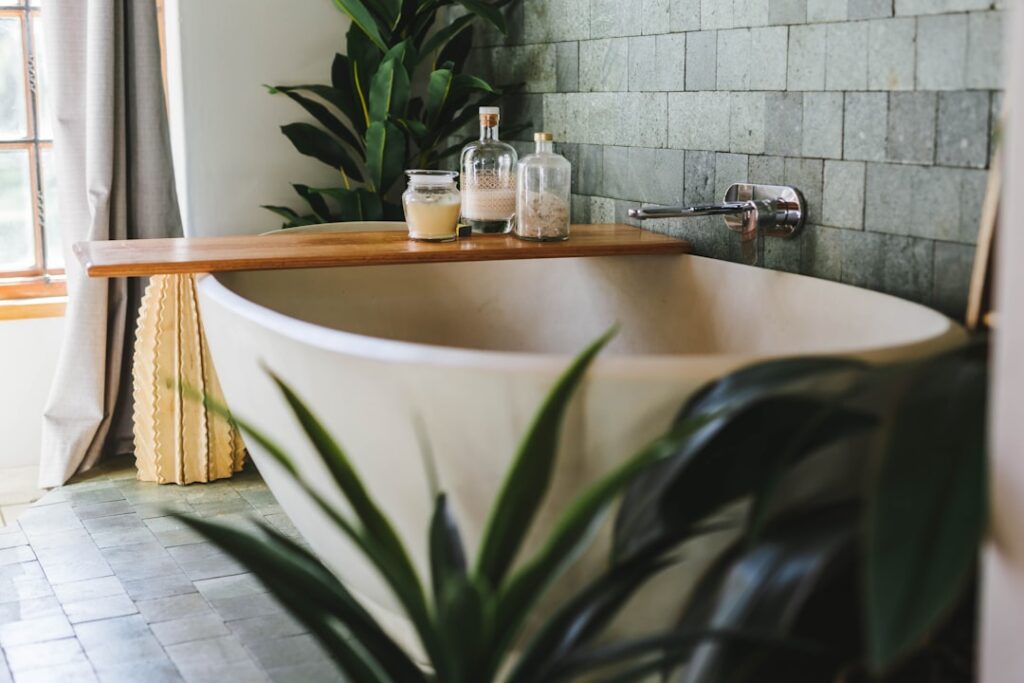
If your remodel keeps a tub, the material shapes both comfort and installation. Acrylic tubs are the most common and practical: lightweight at 70 to 100 pounds, warm to the touch, and available in countless shapes for $300 to $1,500. Fiberglass is the budget option but thinner and less durable, prone to fading and flexing over time. Enameled steel offers a harder, more scratch-resistant surface than acrylic at a moderate price, though it feels cold and can chip if struck.
Cast iron sits at the premium end. A cast-iron tub holds heat beautifully for a long soak and lasts generations, but it weighs 300 to 500 pounds and often requires reinforced floor framing, so it’s a serious commitment during a remodel. Consider the tub’s dimensions too: a standard alcove tub is 60 inches long, but a deeper soaking tub with higher walls, 17 to 22 inches of water depth versus the standard 14, transforms the bathing experience. Match the tub to how you actually use it, and confirm your floor and doorway can accommodate the size and weight before you buy.
Budgeting and Timeline
Set expectations by scope. A reglaze is a one-day, few-hundred-dollar project. A tub replacement runs a few days and $1,500 to $4,500. A full tub-to-shower conversion with tile takes one to two weeks and $3,000 to $12,000, factoring in demolition, plumbing, waterproofing cure times, tile, and glass. Always hold a 15 percent contingency, because opening a tub wall reveals surprises more often than not.
Order materials before demolition, especially a glass shower door, which gets measured after tile is set and then fabricated, adding one to two weeks. Confirm your contractor pulls a permit if plumbing moves, since an un-permitted bathroom can complicate a future sale. Plan the sequence, insist on real waterproofing, and your bathtub remodel will deliver a clean, leak-free space that holds up for well over a decade.
Think carefully about resale before you eliminate a tub entirely. Real estate agents consistently advise keeping at least one bathtub in the home, since families with young children often filter out listings with no tub at all. If you have multiple bathrooms, converting the primary bath to a walk-in shower while keeping a tub in the hall or secondary bath gives you daily comfort without hurting the home’s appeal. In a single-bathroom home, a tub-shower combination that preserves both functions is usually the safer long-term choice than a shower-only conversion.