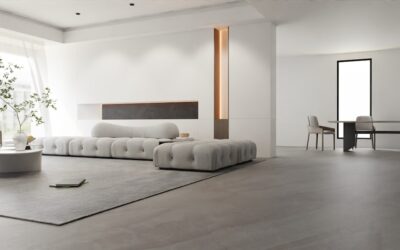
Bedroom vinyl flooring has gone from an afterthought to a first choice for homeowners renovating their most personal space. Modern luxury vinyl plank and tile look remarkably like real hardwood or stone, install easily over almost any subfloor, and cost far less than the materials they imitate. But bedrooms have unique requirements — comfort, warmth, quiet — that make choosing the right vinyl product more nuanced than picking whatever looks good at the store.
- Why Choose Vinyl for Bedrooms?
- Comfort Considerations
- Underlayment for Warmth and Quiet
- Best Vinyl Types for Bedrooms
- WPC Luxury Vinyl Plank (Best Overall for Bedrooms)
- SPC Luxury Vinyl Plank (Best for Durability)
- Luxury Vinyl Tile (Best for Unique Looks)
- Best Styles and Looks
- Light Oak and Natural Wood Tones
- Warm Walnut and Rich Brown Tones
- Gray and Weathered Wood
- Dark Hardwood Looks
- Stone and Concrete Looks
- Bedroom Design Ideas with Vinyl
- Continuous Flooring Throughout
- Area Rug Layering
- Wide Plank for Spaciousness
- Herringbone Pattern
- Mixed Material Look
- Installation Tips for Bedrooms
- Cost Breakdown
- Vinyl vs Carpet in Bedrooms
- Maintenance and Care
- Frequently Asked Questions
This guide covers everything you need to select, install, and enjoy bedroom vinyl flooring that looks beautiful and feels great underfoot every morning.
Why Choose Vinyl for Bedrooms?
Bedrooms are traditionally carpet territory, but a growing number of homeowners are switching to vinyl — and with good reason. Here is why bedroom vinyl flooring makes sense in 2026:
- Allergen-free surface: Unlike carpet, vinyl does not trap dust mites, pet dander, pollen, or mold spores. For allergy sufferers, this alone is reason enough to switch.
- Easy to clean: A quick sweep and damp mop keeps vinyl spotless. No shampooing, no deep cleaning, no embedded odors.
- Waterproof: Bedside water spills, pet accidents, and humidifier moisture are non-issues on waterproof vinyl.
- Style flexibility: Wood-look, stone-look, and modern patterns give you design options carpet cannot match.
- Durability: Vinyl resists scratches from furniture legs, pet claws, and dropped items better than most hardwood.
- Cost-effective: Less expensive than hardwood or engineered wood while delivering comparable visual appeal.
The main concern with vinyl in bedrooms is comfort — specifically warmth and softness underfoot compared to carpet. The rest of this guide addresses exactly how to solve that.
Comfort Considerations
Stepping onto a cold, hard floor first thing in the morning is nobody’s idea of comfort. The good news is that modern bedroom vinyl flooring can be made warm, quiet, and comfortable with the right product selection and underlayment.
Warmth Underfoot
Vinyl is warmer than tile or stone but cooler than carpet. To maximize warmth:
- Choose WPC (wood plastic composite) core vinyl over SPC — WPC has a softer, warmer core material
- Select products with attached cork underlayment, which provides natural thermal insulation
- If your product does not have attached underlayment, add a 3 mm cork or high-density foam underlayment
- Consider radiant floor heating under vinyl (many LVP products are compatible — check manufacturer specs)
- Use area rugs beside the bed and at the closet for the spots where bare feet land most often
Softness and Cushion
SPC vinyl is rigid and firm — great for durability but less comfortable for bare feet. WPC vinyl has a built-in flex and give that feels noticeably softer. For bedrooms, WPC is generally the better core choice. Products with 1.5 mm or thicker attached cork or EVA foam underlayment add meaningful cushion.
Noise and Quiet
Bedrooms should be quiet spaces. Vinyl flooring can produce a hollow, tapping sound without proper underlayment. The solution is straightforward:
- Choose products with attached acoustic underlayment (cork is best for sound reduction)
- If installing over a second-story bedroom, use a separate acoustic underlayment rated IIC 60+ for impact sound insulation
- WPC cores dampen sound better than SPC cores due to their denser, more flexible composition
- Area rugs absorb ambient room noise and add warmth
Underlayment for Warmth and Quiet
The underlayment under your bedroom vinyl flooring makes a bigger difference in comfort than the vinyl itself. Here are your options.
Cork Underlayment (Best for Bedrooms)
Cork is the premium choice for bedroom vinyl installations. It provides:
- Excellent thermal insulation — keeps feet warmer in winter
- Natural sound dampening — reduces both footfall noise and sound transmission to rooms below
- Slight cushion — adds a subtle give that makes rigid-core vinyl more comfortable
- Moisture resistance — naturally resists mold and mildew
- Cost: $0.40 – $0.80/sq ft
IXPE Foam (Standard Option)
IXPE (irradiation cross-linked polyethylene) is the most common attached underlayment on mid-range and premium LVP. It is thin (1 mm to 1.5 mm), moisture-resistant, and provides basic sound dampening. It works fine for bedrooms but does not insulate or cushion as well as cork.
EVA Foam
EVA (ethylene-vinyl acetate) foam is softer and more cushioning than IXPE. Some WPC products use EVA foam attached underlayment, which gives the floor a noticeably softer feel. Good option for bedrooms where comfort is the top priority.
What to Avoid
- Do not use a thick carpet pad under vinyl — it is too soft and will damage the click-lock joints
- Do not double up underlayments (one attached + one separate cushioned layer) — this voids most warranties
- If your vinyl has attached underlayment, you can add only a thin moisture barrier, not another cushioned layer
Best Vinyl Types for Bedrooms
Not all vinyl performs equally in a bedroom setting. Here is how the main types compare for this specific use case.
WPC Luxury Vinyl Plank (Best Overall for Bedrooms)
WPC is the ideal bedroom vinyl. Its foamed core is warmer, softer, and quieter than SPC. Most WPC products are 6 to 8 mm thick with attached underlayment, giving you a substantial, comfortable floor.
- Pros: Warm, quiet, comfortable, realistic wood looks, waterproof
- Cons: More susceptible to denting from heavy furniture than SPC, slightly more expensive
- Price range: $2.50 – $6.00/sq ft
SPC Luxury Vinyl Plank (Best for Durability)
SPC is harder and more dent-resistant than WPC, making it ideal for bedrooms with heavy furniture or high foot traffic. However, it feels firmer underfoot and transmits more sound without proper underlayment.
- Pros: Extremely durable, dent-resistant, stable in temperature fluctuations, waterproof
- Cons: Harder underfoot, noisier without underlayment, cooler in winter
- Price range: $2.00 – $5.00/sq ft
Luxury Vinyl Tile (Best for Unique Looks)
LVT in stone or concrete patterns creates a modern, boutique-hotel look in bedrooms. Marble-look LVT in a master bedroom is particularly striking. Add area rugs for warmth and softness.
- Pros: Unique aesthetic, great for modern and minimalist bedrooms
- Cons: Stone-look may feel cold, more seams than plank format
- Price range: $2.00 – $5.00/sq ft
For a complete comparison of vinyl types, see our vinyl flooring guide.
Best Styles and Looks
The right style of bedroom vinyl flooring sets the tone for the entire room. Here are the most popular bedroom looks in 2026.
Light Oak and Natural Wood Tones
Light oak, white oak, and natural pine looks are the dominant trend. They make bedrooms feel bright, airy, and larger. Wide planks (7 to 9 inches) in light tones create a Scandinavian or coastal aesthetic that pairs well with white bedding and neutral decor.
Warm Walnut and Rich Brown Tones
Walnut, acacia, and medium-brown oak tones create a cozy, traditional bedroom atmosphere. These warmer tones work particularly well in bedrooms that receive less natural light, adding depth without darkness.
Gray and Weathered Wood
Gray-toned vinyl in weathered, reclaimed, or driftwood styles brings a modern farmhouse or coastal look to bedrooms. It is neutral enough to work with virtually any color scheme and hides dust and pet hair better than very dark or very light floors.
Dark Hardwood Looks
Espresso, ebony, and dark walnut looks create a dramatic, luxurious bedroom. Be aware that dark floors show dust, pet hair, and scratches more readily than lighter options. They look best in large bedrooms with plenty of natural light to prevent the room from feeling cramped.
Stone and Concrete Looks
For modern and minimalist bedrooms, stone-look or polished concrete-look vinyl tile creates a sleek, urban aesthetic. Pair with warm textiles (rugs, throws, curtains) to balance the cool visual effect with physical warmth.
Bedroom Design Ideas with Vinyl
These design strategies maximize the impact of bedroom vinyl flooring.
Continuous Flooring Throughout
Run the same vinyl from the bedroom into the hallway, closet, and en suite bathroom for a seamless, expansive look. This works particularly well with neutral wood tones and makes small bedrooms feel larger.
Area Rug Layering
A large area rug (8×10 or 9×12) under the bed with vinyl visible around the perimeter gives you the beauty of vinyl with the comfort of carpet where your feet touch the floor. This is the most popular approach for bedrooms and solves the warmth concern entirely.
Wide Plank for Spaciousness
Wide planks (7+ inches) with long lengths create fewer visual seams and make rooms feel more expansive. In small bedrooms, wide planks actually make the space look bigger, contrary to what some people expect.
Herringbone Pattern
Herringbone vinyl plank installation adds visual interest and a touch of luxury to a master bedroom. Some manufacturers offer planks specifically sized for herringbone layouts. This works best in larger bedrooms where the pattern has room to develop.
Mixed Material Look
Use wood-look vinyl plank on the main floor with a coordinating stone-look vinyl tile in the en suite bathroom. Many brands offer collections designed to complement each other across formats.
Installation Tips for Bedrooms
Bedroom installations are typically straightforward, but these tips ensure the best results.
Direction of Planks
Run planks in the direction of the longest wall or toward the room’s primary window. This creates a natural line of sight that makes the room feel longer. In narrow bedrooms, running planks across the short dimension can make the room feel wider.
Closet Integration
For the cleanest look, continue the vinyl flooring into walk-in closets. Use a transition strip only if the closet has a different subfloor height. If the closet has carpet, you can install a transition strip at the closet door.
Under-Bed Considerations
Install vinyl under the entire room, including under the bed. Do not cut corners by skipping areas covered by furniture — this causes problems if you rearrange furniture later and creates uneven surfaces under area rugs.
Furniture Preparation
After installation, use wide felt pads (at least 1 inch diameter) under all bed frame legs, nightstand legs, and dresser feet. For castered chairs or beds on wheels, use rigid caster cups. Point-load pressure from narrow furniture legs can dent vinyl over time, especially WPC products.
Acclimation
Let the vinyl acclimate in the bedroom for 48 hours at normal room temperature before installation. This is especially important if the product was stored in a cold warehouse or garage.
Cost Breakdown
Here is what bedroom vinyl flooring costs for common bedroom sizes in 2026.
Average Bedroom (150 sq ft)
- Budget LVP (DIY): $250 – $450 materials only
- Mid-range WPC (DIY): $450 – $900 materials only
- Mid-range WPC (professional install): $700 – $1,500 total
- Premium LVP (professional install): $1,200 – $2,100 total
Master Bedroom (250 sq ft)
- Budget LVP (DIY): $400 – $700 materials only
- Mid-range WPC (DIY): $700 – $1,500 materials only
- Mid-range WPC (professional install): $1,100 – $2,400 total
- Premium LVP (professional install): $1,900 – $3,400 total
Additional Costs
- Carpet removal: Free (DIY) to $75 – $150 (professional)
- Underlayment (if not attached): $0.25 – $0.80/sq ft
- Transition strips: $15 – $40 per doorway
- Quarter-round molding: $30 – $80 per room
Vinyl vs Carpet in Bedrooms
This is the big comparison for bedroom flooring. Here is how they stack up.
| Factor | Vinyl Flooring | Carpet |
|---|---|---|
| Warmth | Good with underlayment | Excellent |
| Softness | Moderate (WPC + underlayment) | Excellent |
| Noise | Quiet with underlayment | Very quiet |
| Allergens | Excellent (non-porous surface) | Poor (traps allergens) |
| Cleaning | Very easy | Requires vacuuming and deep cleaning |
| Durability | 15 – 25 years | 8 – 15 years |
| Pet-friendly | Excellent (waterproof, scratch-resistant) | Poor (stains, odors, snags) |
| Style options | Wood, stone, tile, modern looks | Colors and textures only |
| Cost | $3 – $8/sq ft installed | $3 – $8/sq ft installed |
| Resale value | Good (hard surface preferred) | Neutral to negative |
The verdict: Vinyl wins on practicality, durability, and hygiene. Carpet wins on raw comfort. The hybrid approach — vinyl flooring with a large area rug under and beside the bed — gives you the best of both worlds and is the most popular choice for bedroom renovations in 2026.
For more on carpet flooring, see our dedicated guide.
Maintenance and Care
Bedroom vinyl requires minimal maintenance:
- Weekly: Sweep or vacuum with a hard-floor attachment to remove dust and hair
- Bi-weekly: Damp mop with a vinyl-safe cleaner or plain warm water
- As needed: Wipe up spills immediately (though waterproof vinyl is forgiving)
- Every 6 months: Check felt pads on furniture and replace if worn
- Avoid: Steam mops, harsh chemicals, abrasive scrubbers
- Avoid: Rubber-backed rugs — use vinyl-safe rug pads instead
Frequently Asked Questions
Is vinyl flooring comfortable enough for a bedroom?
Yes, with the right product and underlayment. WPC vinyl with attached cork underlayment provides warmth, cushion, and quiet that makes it comfortable for barefoot use. Pairing it with an area rug beside the bed adds carpet-like comfort where you need it most.
Is vinyl flooring cold in bedrooms during winter?
Less so than tile or stone, but cooler than carpet. Cork underlayment provides thermal insulation that keeps vinyl noticeably warmer. Area rugs at the bedside add warmth where bare feet touch the floor. Radiant floor heating under vinyl is also an option for maximum warmth.
What is the best vinyl flooring for a master bedroom?
A mid-range to premium WPC luxury vinyl plank with attached cork underlayment in a wide-plank (7+ inch) wood-look design. This combination delivers comfort, visual quality, and durability at a reasonable price. Brands like Shaw Floorté, COREtec, and Mannington Adura Max all make excellent bedroom products.
Can I put vinyl flooring in a kids’ bedroom?
Absolutely. Vinyl is an excellent choice for kids’ rooms — it is waterproof (spills, art projects), scratch-resistant (toys, games), easy to clean, and allergen-free. SPC vinyl is the better choice for kids’ rooms due to its superior dent and impact resistance.
Does bedroom vinyl flooring need underlayment?
If the product does not have an attached underlayment, yes. In bedrooms, cork underlayment is the best choice for warmth and sound. If your vinyl has attached underlayment, no additional cushioned layer is needed — you can add only a moisture barrier if installing over concrete.
How long does vinyl flooring last in a bedroom?
Bedrooms are low-traffic areas, so vinyl flooring with a 12+ mil wear layer can last 20 to 30 years with minimal maintenance. Even budget vinyl with a 6 mil wear layer typically lasts 10 to 15 years in a bedroom environment.
Prefer to explore on your own?
See how new flooring looks in your actual room in seconds — free, no signup.
Try the free Floor Studio →