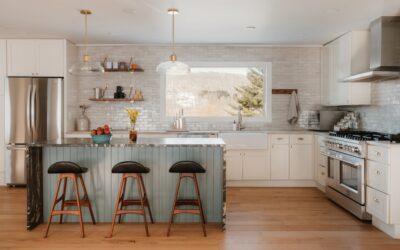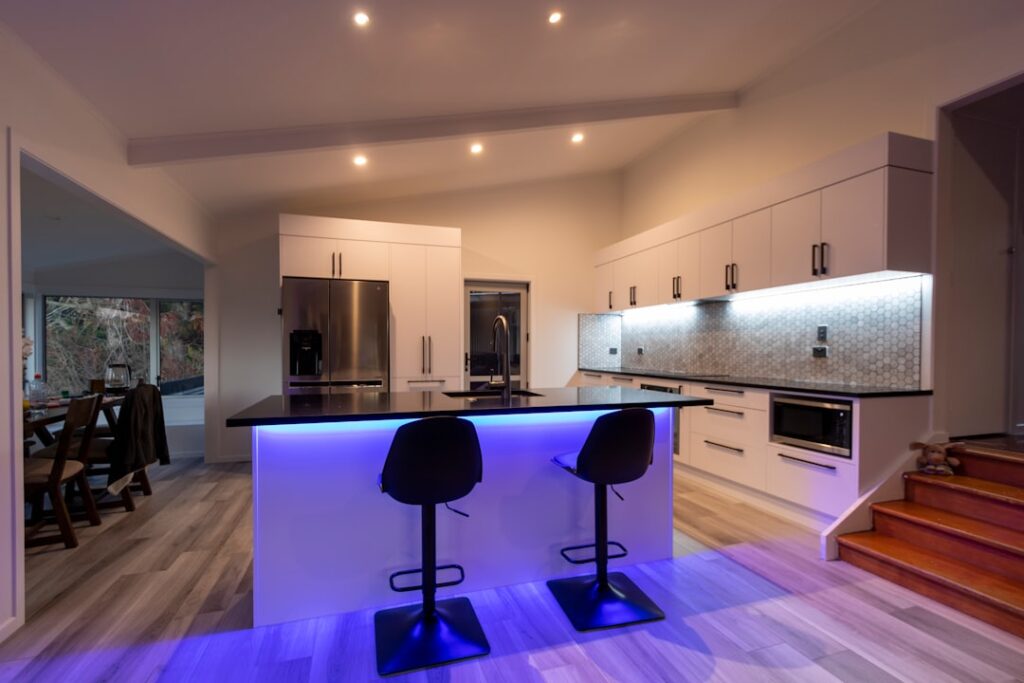
The kitchen demands more from a floor than any other room. Constant foot traffic, water splashes from the sink, grease splatters, dropped utensils, and heavy appliances create a hostile environment for most flooring materials. Kitchen vinyl flooring thrives in these conditions — waterproof, easy to clean, comfortable for standing, and available in designs that rival hardwood and stone at a fraction of the cost.
Part of our Kitchen Remodeling guide — explore the full guide →
But “vinyl flooring” covers a broad range of products with very different performance levels and price points. This guide breaks down every kitchen vinyl flooring option — luxury vinyl plank (LVP), luxury vinyl tile (LVT), and sheet vinyl — so you can choose the right type, brand, and budget for your kitchen.
- Kitchen Vinyl Types Compared
- LVP for Kitchens: The Best Overall Choice
- LVT for Kitchens: The Stone Look Alternative
- Sheet Vinyl for Kitchens: The Budget Champion
- Water Performance in Kitchens
- Standing Comfort and Fatigue
- Design Options and Trends for 2026
- Brand Picks by Budget
- Frequently Asked Questions
While you’re upgrading the kitchen floor, it might be a good time to rethink the seating too. Swapping out old bar stools is one of those small changes that makes the whole room feel more pulled together.
We may earn a commission when you purchase through our links.
Kitchen Vinyl Types Compared
Three distinct vinyl flooring categories serve kitchen installations. Each has different construction, performance characteristics, and price points.
| Feature | LVP (Luxury Vinyl Plank) | LVT (Luxury Vinyl Tile) | Sheet Vinyl |
|---|---|---|---|
| Look | Wood grain | Stone / marble / concrete | Various patterns |
| Format | Individual planks | Square or rectangular tiles | Continuous roll (6′ or 12′ wide) |
| Core | SPC or WPC rigid core | SPC or WPC rigid core | Flexible vinyl backing |
| Installation | Click-lock floating | Click-lock or glue-down | Full spread adhesive or loose lay |
| Waterproof | Yes (100%) | Yes (100%) | Yes (seamless) |
| DIY difficulty | Easy | Easy to moderate | Difficult (cutting, fitting) |
| Material cost | $2 – $5/sq ft | $2.50 – $7/sq ft | $0.75 – $3/sq ft |
| Installed cost | $4 – $10/sq ft | $5 – $13/sq ft | $2 – $6/sq ft |
| Lifespan | 15 – 25 years | 15 – 25 years | 10 – 20 years |
LVP for Kitchens: The Best Overall Choice
Luxury vinyl plank is the most popular kitchen vinyl flooring choice in 2026, and for good reason. Click-lock LVP combines waterproof performance, realistic wood visuals, DIY-friendly installation, and comfortable standing support in a single product.
Why LVP Excels in Kitchens
Waterproof rigid core: SPC and WPC cores do not absorb water, even if it seeps through seams from sink splashes or dishwasher leaks. The planks remain dimensionally stable and do not swell or warp. For complete product comparisons, visit our LVP flooring page.
Comfortable for standing: Kitchen tasks involve long periods of standing at counters, sinks, and stoves. LVP, especially WPC-core products with foam layers, reduces leg fatigue compared to tile or hardwood. The slight give underfoot makes a noticeable difference during extended cooking sessions.
Resists dropped objects: Knives, cans, pots, and glasses inevitably hit kitchen floors. LVP’s resilient surface absorbs impact better than tile (which cracks) or hardwood (which dents permanently). While heavy impacts can dent LVP, the damage is usually less severe than with other hard surfaces.
Easy to clean: Grease, sauce, wine, and food spills wipe up without staining. No grout lines to absorb discoloration. A quick sweep and weekly mop keep LVP kitchen floors looking new.
LVP Kitchen Installation Tips
When installing LVP in a kitchen, pay special attention to these areas.
Under the dishwasher: Always run LVP under the dishwasher. A dishwasher leak onto bare subfloor creates hidden water damage. With LVP underneath, the waterproof surface protects the subfloor and makes leak detection easier.
Around the island: Kitchen islands create complex cutting patterns. Measure carefully and maintain the expansion gap around the island perimeter. Use matching quarter-round trim or silicone caulk to cover the gap.
Under the refrigerator: Install LVP under the refrigerator location. Use plywood shims or furniture pads under the refrigerator feet to distribute weight and prevent denting. When pulling the refrigerator out for cleaning, place cardboard on the LVP to prevent scratches.
For more on vinyl plank in kitchen spaces, see our vinyl plank in kitchen guide.
LVT for Kitchens: The Stone Look Alternative
If you want the look of natural stone, marble, or concrete in your kitchen without the cold, hard, and expensive reality, luxury vinyl tile (LVT) delivers. LVT uses the same rigid-core technology as LVP but in square or rectangular tile formats with stone-look designs.
Popular LVT Kitchen Looks
Marble look: Calacatta and Carrara marble-look LVT delivers the luxury of marble without sealing, etching, or staining concerns. Large-format 12×24 tiles minimize grout lines for a cleaner appearance.
Slate and travertine look: Textured stone-look LVT works in transitional and traditional kitchens. The varied surface texture adds visual interest and improves slip resistance.
Concrete look: Minimalist concrete-look LVT suits modern and industrial kitchen designs. The uniform gray tones create a sleek, contemporary aesthetic.
LVT vs Porcelain Tile in Kitchens
LVT provides 80% of the visual appeal of porcelain tile at 50% of the cost, with dramatically better standing comfort and easier installation. The main trade-off is longevity — porcelain tile lasts 50+ years versus 15 to 25 for LVT. For busy family kitchens where comfort and budget matter most, LVT wins. For high-end kitchens where permanence and resale premium are priorities, porcelain remains the better investment.
Sheet Vinyl for Kitchens: The Budget Champion
Sheet vinyl is the most affordable kitchen vinyl flooring option and offers one advantage no other vinyl type can match: a completely seamless installation. A single sheet covers the entire kitchen floor without any joints, seams, or click-lock connections for water to penetrate.
Sheet Vinyl Advantages for Kitchens
Seamless waterproofing: Without seams, there are no weak points for water penetration. This makes sheet vinyl the most reliably waterproof kitchen floor available — even more so than LVP, whose click-lock joints can potentially allow water through over time.
Budget-friendly: At $0.75 to $3.00 per square foot for materials, sheet vinyl costs a fraction of LVP or LVT. For a 200-square-foot kitchen, material costs run $150 to $600 versus $400 to $1,000 for LVP. Check our vinyl sheet flooring guide for product options.
Cushioned comfort: Sheet vinyl with foam backing provides excellent standing comfort — often more comfortable than rigid-core LVP. For kitchens where you spend hours cooking, this comfort advantage is meaningful.
Sheet Vinyl Drawbacks for Kitchens
Less realistic appearance: Sheet vinyl has improved significantly, but it still does not match the visual realism of LVP or LVT. The printed patterns are less detailed, and the surface textures are less convincing.
Professional installation recommended: Cutting and fitting sheet vinyl around kitchen cabinets, islands, and appliances requires skill. Mistakes are costly because a miscut ruins an entire sheet. Most homeowners should hire a professional.
Susceptible to tears and punctures: Sheet vinyl is thinner and more flexible than rigid-core LVP. Dropped knives, dragged appliances, and sharp objects can tear or puncture the surface.
Water Performance in Kitchens
Kitchens face three types of water exposure, and each vinyl type handles them differently.
| Water Source | LVP Performance | LVT Performance | Sheet Vinyl Performance |
|---|---|---|---|
| Sink splashes | Excellent — wipes clean | Excellent — wipes clean | Excellent — wipes clean |
| Dishwasher leak | Good — water may seep through seams over time | Good — same as LVP | Excellent — seamless, no penetration |
| Major flooding (burst pipe) | Planks unaffected, subfloor may need drying | Same as LVP | Sheet unaffected, subfloor may trap water |
| Continuous humidity | No effect | No effect | No effect |
All three vinyl types handle normal kitchen moisture with ease. The differences emerge with sustained water exposure from leaks. For detailed kitchen flooring comparisons, visit our kitchen flooring guide.
Standing Comfort and Fatigue
Kitchen floors differ from other rooms because you stand on them for extended periods while cooking, cleaning, and washing dishes. Comfort underfoot directly affects fatigue levels and joint health.
Sheet vinyl with foam backing: Most comfortable — the cushioned layer provides significant fatigue relief.
WPC luxury vinyl (LVP/LVT): Very comfortable — the foam-core construction adds cushion and warmth.
SPC luxury vinyl (LVP/LVT): Moderate comfort — firmer than WPC due to the dense stone-polymer core. Adding a quality underlayment improves comfort.
For kitchens where standing comfort is a top priority, WPC-core LVP or cushion-backed sheet vinyl are the best choices. Anti-fatigue mats in front of sinks and stoves supplement any vinyl flooring type.
Design Options and Trends for 2026
Kitchen vinyl flooring trends in 2026 emphasize natural materials, warm tones, and large formats.
Wide plank LVP (7″ to 9″ wide): Wider planks create a more authentic hardwood look with fewer seam lines. They make kitchens feel more spacious and are the dominant format for 2026.
Light oak and white oak looks: Cool and warm neutral wood tones dominate kitchen LVP. These colors complement white, gray, and wood-toned cabinetry — the most popular kitchen palette in 2026.
Large-format stone-look LVT (12×24 and 24×24): Oversized tile formats minimize grout lines for a sleek, contemporary look. Marble and concrete looks remain the top sellers.
Herringbone and chevron LVP: Patterned LVP layouts add visual interest without the cost premium of patterned tile installation. Pre-made herringbone LVP planks simplify what would otherwise be a complex layout.
Brand Picks by Budget
Budget Kitchen Vinyl ($1 – $3/sq ft)
TrafficMaster Allure (sheet vinyl and peel-and-stick): Home Depot’s house brand offers entry-level vinyl at rock-bottom prices. Fine for rental kitchens and temporary solutions. Not recommended for long-term family kitchens.
SmartCore Natural (LVP): Lowe’s brand offering SPC core LVP at around $2.50/sq ft. Decent quality for the price, with a 12-mil wear layer.
Mid-Range Kitchen Vinyl ($3 – $5/sq ft)
Lifeproof (LVP/LVT): Home Depot exclusive with SPC core, attached cork underlayment, and good color selection. The sweet spot for most kitchen projects at $2.50 to $3.50/sq ft.
COREtec (LVP/LVT): Excellent quality, realistic visuals, and a strong warranty. Prices range from $3.50 to $5.00/sq ft for the standard line.
Premium Kitchen Vinyl ($5 – $8/sq ft)
Shaw Floorte Pro (LVP): 20-mil wear layer, wide planks, and premium EIR textures. Lifetime residential warranty. $4.00 to $6.00/sq ft.
Mannington Adura Max (LVP/LVT): Known for exceptionally realistic visuals and a HydroLoc waterproof core. Premium pricing justified by best-in-class aesthetics.
Frequently Asked Questions
What is the best vinyl flooring for a kitchen?
SPC-core luxury vinyl plank (LVP) is the best overall kitchen vinyl flooring for most homeowners. It offers waterproof performance, realistic wood looks, easy maintenance, comfortable standing, and DIY-friendly installation at $2 to $5 per square foot for materials.
Is vinyl flooring good for kitchens?
Yes, vinyl flooring is excellent for kitchens. All vinyl types (LVP, LVT, and sheet vinyl) are waterproof, easy to clean, comfortable underfoot, and resistant to stains from food and cooking. Vinyl handles kitchen conditions better than hardwood (which warps from water) and is more comfortable than tile.
How long does vinyl flooring last in a kitchen?
Quality LVP and LVT with 20-mil wear layers last 15 to 25 years in a kitchen. Sheet vinyl lasts 10 to 20 years. Budget products with thinner wear layers may show wear in high-traffic kitchen areas within 8 to 12 years. Proper maintenance — sweeping, mopping, and using furniture pads — maximizes lifespan.
Can you put vinyl plank under kitchen cabinets?
You can install LVP up to cabinets but not under them. Floating LVP needs to expand and contract freely, and cabinet weight pins the floor down, preventing movement and causing buckling. Install cabinets first, then float the LVP up to the toe kicks with a 1/4-inch expansion gap covered by trim.
Is LVP or sheet vinyl better for kitchens?
LVP is better for most kitchens due to superior visuals, easier DIY installation, and better durability. Sheet vinyl wins on budget (significantly cheaper), seamless waterproofing (no seams at all), and standing comfort (foam-backed sheet vinyl is very cushioned). Choose based on your top priority: appearance and durability (LVP) or budget and seamless waterproofing (sheet vinyl).
Does kitchen vinyl flooring need underlayment?
Many LVP products come with attached underlayment. If yours does not, add a thin vinyl-compatible underlayment for comfort, sound reduction, and minor subfloor leveling. Sheet vinyl does not use underlayment — it bonds directly to the subfloor. Never double up underlayment (attached + separate), as this makes the floor too soft and can damage click-lock joints.
Prefer to explore on your own?
See how new flooring looks in your actual room in seconds — free, no signup.
Try the free Floor Studio →