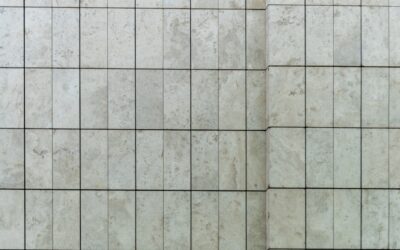
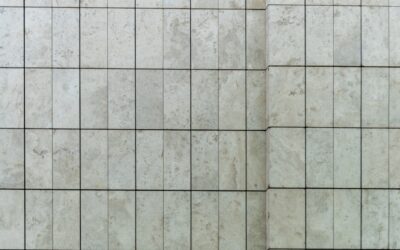
Bedroom wall tiles are becoming a popular design choice for creating striking accent walls, headboard features, and textured focal points. While tile is traditionally associated with bathrooms and kitchens, modern tile designs bring warmth, texture, and personality to bedroom spaces in ways paint and wallpaper can’t match.
- Why Use Tiles on Bedroom Walls?
- Best Tile Materials for Bedrooms
- 3D Textured Ceramic
- Wood-Look Porcelain
- Marble-Effect Porcelain
- Natural Stone Ledger Panels
- Glass Mosaic
- Large-Format Porcelain Slabs
- Design Ideas
- Accent Wall Behind the Headboard
- Half-Wall Wainscoting
- Recessed Niche
- Window Frame Accent
- Fireplace Surround
- Color Palettes for Bedroom Tiles
- Installation Tips
- Cost
Why Use Tiles on Bedroom Walls?
- Durability: Tiles don’t fade, peel, or need repainting like paint and wallpaper
- Texture: 3D tiles, natural stone, and textured ceramics add depth that flat surfaces lack
- Low maintenance: Wipe clean with a damp cloth — no touch-ups needed
- Design impact: A single tiled accent wall creates a luxury focal point
- Sound absorption: Certain tile materials (cork-backed, textured) help dampen sound
Best Tile Materials for Bedrooms
3D Textured Ceramic
Three-dimensional wall tiles create stunning shadow and light effects. Geometric patterns, wave forms, and organic shapes add depth to a flat wall. White 3D tiles behind a headboard create a modern, sculptural feature that looks expensive but is surprisingly affordable.
Wood-Look Porcelain
Porcelain tiles that replicate wood grain bring warmth to bedroom walls without the maintenance of real wood. Install them horizontally for a shiplap effect or vertically for height emphasis. The wood aesthetic creates a cozy, cabin-like atmosphere.
Marble-Effect Porcelain
Large-format porcelain tiles with marble veining create a luxurious, spa-like bedroom wall. Bookmatched patterns (where tiles mirror each other) produce dramatic symmetrical designs. This look costs a fraction of real marble while being zero-maintenance.
Natural Stone Ledger Panels
Stacked stone panels made from thin-cut natural stone (slate, quartzite, travertine) create a rugged, organic accent wall. These panels add genuine stone texture and warmth. They work particularly well in rustic, industrial, and modern bedrooms.
Glass Mosaic
Small glass mosaic tiles create shimmering, light-catching surfaces. Use them as a narrow accent band above a headboard, around a window frame, or as a small feature panel. Glass tiles work best as accents rather than full-wall coverage in bedrooms.
Large-Format Porcelain Slabs
Slabs measuring 24×48 inches or larger create nearly seamless walls with minimal grout lines. Available in concrete, stone, and abstract designs, these oversized tiles make bedrooms feel expansive and modern.
Design Ideas
Accent Wall Behind the Headboard
The most popular bedroom tile application. Tile the wall behind your bed from floor to ceiling or from the headboard height to the ceiling. This creates a defined focal point that anchors the room’s design. Works with any tile material — 3D texture, wood-look, marble-effect, or natural stone.
Half-Wall Wainscoting
Tile the lower 36 to 48 inches of a wall for a wainscoting effect. This works well in bedrooms with traditional or transitional design. Subway tiles, beadboard-look tiles, and small-format squares all work for this application.
Recessed Niche
Build a recessed wall niche behind the bed and line it with decorative tile. This creates a shadow box effect with integrated lighting that serves as both storage and display space. Mosaic tiles and patterned tiles work beautifully in niches.
Window Frame Accent
Frame a window with a band of decorative tile to draw attention to the view and add architectural detail. This works especially well with mosaic tile, natural stone, or contrasting colored tiles.
Fireplace Surround
If your bedroom has a fireplace, tile the surround with heat-resistant ceramic or porcelain tiles. Herringbone patterns, stacked stone, and large-format tiles all create stunning bedroom fireplace features.
Color Palettes for Bedroom Tiles
Warm Neutrals
Cream, beige, warm gray, and sand tones create a calming, inviting atmosphere ideal for bedrooms. These colors work with any design style and won’t feel overwhelming on a large accent wall.
White and Off-White
All-white textured tiles (3D geometric, subway, marble-effect) create visual interest through texture rather than color. The result is bright, clean, and sophisticated without being sterile — especially with warm-toned grout.
Dark and Moody
Charcoal, navy, forest green, and matte black tiles create dramatic, cocooning bedroom walls. Best used on a single accent wall with lighter surrounding surfaces. Pair with warm lighting and rich textiles.
Natural Tones
Terracotta, natural stone colors, and wood tones bring organic warmth to bedrooms. These earth tones create a grounded, nature-inspired sleeping environment.
Installation Tips
- Choose lightweight tiles: Heavy tiles require strong wall backing. If you’re tiling over drywall, stick to ceramic, thin porcelain, or lightweight decorative tiles. Heavier materials (thick stone, large porcelain) may need cement board backing.
- Plan your layout: Dry-lay tiles on the floor first and take a photo. Center the pattern on the bed or main furniture piece.
- Use the right adhesive: Premium-grade thin-set for heavier tiles; mastic adhesive for lightweight ceramic on drywall. Follow the tile manufacturer’s recommendations.
- Consider grout carefully: Match the grout color to the tile for a seamless look, or use contrasting grout to highlight the tile pattern.
- Hire a pro for complex patterns: Herringbone, mosaic, and large-format tiles require precision. DIY works well for simple subway and stack bond patterns.
Cost
- Ceramic accent wall tiles: $2 to $8 per square foot
- Porcelain (marble-effect, wood-look): $4 to $12 per square foot
- 3D textured tiles: $8 to $20 per square foot
- Natural stone panels: $10 to $30 per square foot
- Installation labor: $5 to $15 per square foot
A typical bedroom accent wall (60 to 80 square feet) costs $400 to $2,000 installed with mid-range materials.
Bedroom wall tiles add a permanent design feature that outlasts paint, wallpaper, and trends. Choose a material and pattern that complements your bedroom’s mood, and you’ll have a focal point that elevates the entire room.
Prefer to explore on your own?
See how new flooring looks in your actual room in seconds — free, no signup.
Try the free Floor Studio →