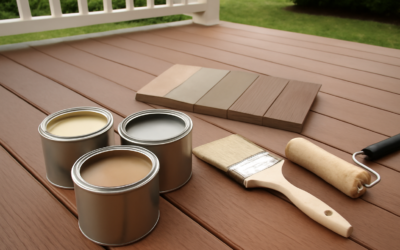
Ripping out dated tile is expensive, messy, and often unnecessary. A well-executed paint job can transform a tired avocado-green bathroom or a busy 1990s backsplash for a fraction of the cost of replacement. The secret is not just technique but color, because the right tile paint colors hide flaws, brighten cramped rooms, and read as intentional rather than a budget shortcut. This guide walks through the shades that perform best and how to make them stick for years.
Part of our Tile & Grout guide — explore the full guide →
Why Color Choice Matters More on Tile
Painted tile behaves differently than a painted wall. The surface is glossy, non-porous, and often broken up by grout lines, so color reads more intensely and every imperfection shows. Light, neutral shades forgive brush marks and uneven coverage, while deep saturated colors demand flawless application. Choosing color is therefore half aesthetics and half strategy for hiding the realities of a DIY finish.
Sheen plays into it too. Most tile paints and epoxy kits cure to a semi-gloss or satin, which bounces light and reinforces whatever undertone you pick. A warm white can turn creamy, and a cool gray can turn steely, so always test your chosen color in the actual room before committing.
The Best Neutral Tile Paint Colors
Neutrals dominate for good reason: they are timeless, resale-friendly, and the most forgiving to apply. These are the safest, highest-return choices.
- Crisp white: the default for brightening small bathrooms and making backsplashes disappear into the wall. It maximizes light but shows every drip, so apply thin, even coats.
- Warm greige: a gray-beige blend that hides dirt on floors and pairs with almost any cabinet or fixture. It is the most flattering neutral for older homes.
- Soft charcoal: dramatic on floor tile and shower surrounds, and surprisingly practical because it disguises grime between cleanings.
- Greige-taupe: a warmer mid-tone that reads as high-end stone, ideal for entryways and mudroom floors.
Bold and On-Trend Options
If you want the tile to make a statement, color can do it cheaply. Deep navy has become a favorite for bathroom floors and vanity backsplashes because it hides water spots and feels rich. Sage and eucalyptus greens bring a spa-like calm to shower walls, while classic black-and-white checkerboard patterns turn a plain floor into a focal point.
Terracotta and clay tones are surging in kitchens and sunrooms, tapping the same warm, earthy mood as Mediterranean tile without the cost. Just remember that saturated tile paint colors demand near-perfect prep and application, so reserve the boldest shades for smaller, lower-traffic surfaces where flaws are easier to control.
Matching Color to the Room
Bathrooms
Small baths benefit from light, reflective shades that expand the space. White, pale blue, and soft gray open up a windowless powder room, while a moody navy or charcoal floor grounds a larger bathroom without shrinking it.
Kitchens and Backsplashes
Backsplashes let you take more risk because the area is small and out of the traffic path. Coordinate the paint with your countertop undertone rather than matching it exactly. A warm counter pairs with creamy whites and clay tones; a cool quartz pairs with crisp white or slate gray.
Floors and High-Traffic Zones
Floors take abuse, so favor mid-tone and darker shades that mask scuffs, footprints, and grout discoloration. A light floor looks stunning on day one but reveals every mark within a week in a busy household.
Using Color to Fix a Room’s Problems
Color is not just decoration; it is a tool for correcting a space. A cramped, dark bathroom feels larger the moment you paint dingy tile bright white and let it reflect the available light. A cold, echoey room warms up instantly with a clay, terracotta, or greige tone that adds visual heat. And a floor that shows every speck of dirt becomes low-maintenance overnight when you switch from pale tile to a mid-tone charcoal or greige that camouflages daily grime.
Undertone is the detail that trips people up. Two whites can look wildly different once they are on a glossy surface, one turning creamy and the other reading blue. Buy sample sizes, paint a few spare tiles or a poster board, and live with them taped to the wall for a couple of days before you commit the whole room.
Coordinating With Grout and Fixtures
Painted tile looks most convincing when the grout lines and hardware agree with the new color. If you paint over the grout along with the tile for a monolithic look, the surface reads as one continuous slab, which flatters bold and dark shades. If you leave the original grout, choose a paint color that complements it, or the old joints will fight the fresh finish.
Fixtures matter too. Warm brass and bronze pair beautifully with creamy whites, clay, and sage, while chrome and matte black look sharp against crisp white, gray, and navy. Pull the whole palette together before you open the can, and the finished project looks designed rather than merely repainted.
Finish and Product Types
The color only lasts if the product underneath it holds up. Three categories cover most projects:
- Two-part epoxy kits: the most durable choice for tubs, showers, and floors. They cure rock-hard and resist water, but colors are limited to what the kit offers.
- Tile and urethane paints: tintable to nearly any color, good for backsplashes and low-moisture walls, moderately durable.
- Chalk and specialty paints with a sealer topcoat: best for decorative accent tile and stenciled patterns rather than wet or heavy-traffic areas.
For any wet or walked-on surface, seal the finish with a clear water-based polyurethane. Two or three topcoats add the abrasion and moisture resistance that keeps the color from chipping at the grout lines.
Prep Is Where Color Succeeds or Fails
No color survives on a poorly prepped surface. Scrub the tile with a degreaser to strip soap scum, body oils, and cooking residue, then rinse thoroughly. Sand the glossy glaze with 220-grit paper to give the primer something to grip, wipe away all dust, and prime with a bonding primer rated for slick surfaces.
Skip any of those steps and the paint peels within months, no matter how good the color looks going on. Work in a well-ventilated room at 60 to 85 degrees Fahrenheit, apply thin coats, and respect the full cure time, often 3 to 7 days before heavy use, before you expose the surface to water.
How Long Painted Tile Lasts
Realistically, expect a well-prepped painted floor or shower to hold up 3 to 5 years before it needs a refresh, and a low-traffic backsplash to last considerably longer. Darker and mid-tone colors age more gracefully because minor wear blends in, whereas bright whites eventually show yellowing and traffic paths.
You can stretch that lifespan with simple habits. Use a bath mat and a squeegee in painted showers to keep standing water off the finish, place felt pads under furniture on painted floors, and clean with a soft cloth and mild soap rather than abrasive powders or bleach that dull and chip the coating. When wear does appear, a quick scuff-sand and a fresh topcoat in the traffic path often restores the surface without repainting the whole room.
When you weigh the options, painting is a smart interim fix that buys years of updated style for $100 to $300 in materials versus thousands for a full re-tile. Choose your tile paint colors with durability in mind, prep like a professional, and you get a fresh, custom look that carries the room until you are ready for a permanent renovation.
Prefer to explore on your own?
See how new flooring looks in your actual room in seconds — free, no signup.
Try the free Floor Studio →