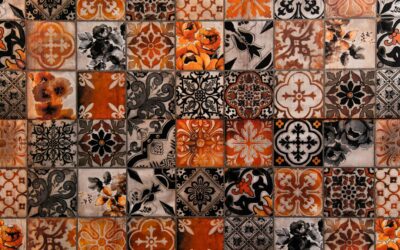
Mediterranean tile brings the warmth, color, and handcrafted character of southern Europe and North Africa into the modern home. Drawing on centuries of tradition from Spain, Italy, Greece, Morocco, and beyond, these tiles are known for bold patterns, earthy terracotta tones, and richly glazed finishes. Whether you are dreaming of a Spanish kitchen backsplash, a Moroccan-tiled entryway, or a sun-baked terracotta floor, understanding the styles and materials will help you bring this timeless look home.
Part of our Tile & Grout guide — explore the full guide →
What Defines Mediterranean Tile
Mediterranean tile is less a single product than a family of styles unified by handmade character, vivid color, and pattern. Common threads include warm earth tones, glossy hand-painted glazes, intricate geometric and floral motifs, and the subtle irregularity of tiles made by traditional methods. The look evokes sun, sea, and centuries-old architecture, which is why it reads as warm and inviting rather than sleek and modern. The variation from tile to tile is part of the charm, not a defect.
Popular Styles
Several distinct traditions fall under the Mediterranean umbrella, each with its own personality.
- Terracotta (cotto): Unglazed fired-clay tiles in warm orange-brown tones, classic for Tuscan and Spanish floors. Rustic, earthy, and full of natural variation.
- Talavera: Brightly hand-painted glazed tiles, rooted in Spanish and Mexican tradition, featuring bold blues, yellows, and floral or geometric designs. Popular for backsplashes, stair risers, and accents.
- Zellige: Handmade Moroccan glazed tiles with a glossy, slightly uneven surface that catches light beautifully. The subtle imperfections give walls a shimmering, artisanal depth.
- Encaustic and cement tile: Patterned tiles where the design runs through the body of the tile, offering durable, intricate geometric and floral patterns ideal for floors.
- Majolica and Italian maiolica: Tin-glazed earthenware tiles with painted decorative motifs in rich colors.
Materials and Their Traits
The material affects durability, maintenance, and where the tile works best. Terracotta is porous and needs sealing, but it ages with a lovely patina and is wonderful on floors. Glazed ceramic tiles like Talavera and majolica have a protective glaze that resists moisture, making them great for walls and backsplashes. Zellige is glazed clay, prized for walls where its glossy, varied surface shines. Cement and encaustic tiles are durable and pattern-rich but porous, requiring sealing to protect against stains. Knowing the material tells you how much upkeep to expect.
Where to Use Mediterranean Tile
These tiles are versatile, but some styles suit certain spaces better than others.
- Kitchen backsplashes: Talavera and zellige add instant color and personality behind a range or sink.
- Floors: Terracotta and cement tiles bring warmth and durability to kitchens, entryways, and patios.
- Bathrooms: Patterned cement and glazed tiles create a spa-like, vacation feel on walls and floors.
- Stair risers and accents: Hand-painted tiles make a striking statement on stairs, niches, and fireplace surrounds.
- Outdoor spaces: Terracotta and frost-resistant glazed tiles suit patios and courtyards in mild climates.
Cost Expectations
Mediterranean tile spans a wide price range depending on how it is made. Machine-made ceramic tiles inspired by these styles can cost as little as $3 to $8 per square foot, while authentic handmade zellige, Talavera, and cement tiles often run $15 to $40 or more per square foot because of the labor involved. Installation can also cost more for handmade tiles, since their irregular sizes and the patterned layouts require extra time and skill. For a budget-friendly take, look for porcelain tiles printed with Mediterranean patterns, which offer the look with lower cost and easier maintenance.
Installation Considerations
Handmade Mediterranean tiles have natural variation in size, thickness, and color, so plan accordingly. Lay out tiles from multiple boxes before setting to blend the variation evenly across the surface. Irregular edges, common with zellige, often call for thinner grout lines and a skilled installer who can work with the unevenness. Porous tiles like terracotta and cement should be sealed before grouting to prevent staining, and using a grout release on textured or porous surfaces helps avoid haze. For intricate patterns, dry-lay the design first so the layout is right before committing thinset.
Care and Maintenance
Maintenance depends on the material. Glazed tiles like Talavera and zellige wipe clean easily with mild soap and water and resist staining. Porous tiles, terracotta, cement, and encaustic, need to be sealed periodically to protect against stains and moisture, and you should reseal them based on use. Avoid harsh, acidic cleaners on any of these tiles, since acids can etch glazes and damage sealers. With routine cleaning and appropriate sealing, Mediterranean tile only grows more beautiful over the years, developing the lived-in patina that defines the style.
Mixing Patterns Without Overwhelming a Room
Bold Mediterranean patterns make a statement, but too much can tip a room from charming to chaotic. The reliable approach is to let one patterned element lead and keep everything around it calm. A vivid Talavera backsplash pairs best with simple solid counters and plain cabinetry, while a busy encaustic cement floor wants understated walls and furnishings above it. If you love multiple patterns, tie them together with a shared color family so blues, ochres, and terracotta tones echo across the space. Solid-color field tiles in a complementary hue let you stretch a small quantity of expensive hand-painted tile by framing it, which also keeps the budget in check.
Grout Choices That Shape the Look
Grout color is an underrated decision that dramatically changes how Mediterranean tile reads. A matching or tonal grout lets a patterned cement or encaustic tile flow as a seamless field, emphasizing the design itself. A contrasting grout, such as a darker line around bright Talavera, frames each tile and gives a crisp, graphic effect. For shimmering zellige, installers typically use thin grout lines in a close-matching shade so the glossy, uneven surface stays the focus. Because porous terracotta and cement tiles can absorb pigment from grout, sealing them first and using a grout release prevents staining and haze. Always test grout color on a few spare tiles before committing across the whole installation.
Final Thoughts
Mediterranean tile lets you bring the color, craft, and soul of the old world into your home, from rustic terracotta floors to dazzling hand-painted Talavera and shimmering Moroccan zellige. Choose the style and material to match your space and budget, embrace the natural variation that gives these tiles their character, and seal the porous ones to protect them. Whether as a bold backsplash or a sweeping floor, Mediterranean tile delivers warmth and timeless personality that mass-produced tile simply cannot match.
Prefer to explore on your own?
See how new flooring looks in your actual room in seconds — free, no signup.
Try the free Floor Studio →