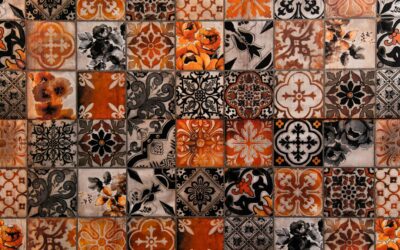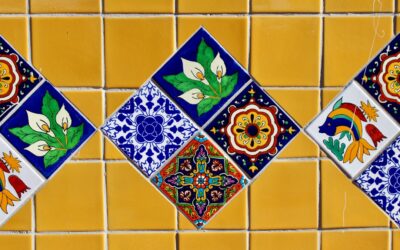
Walk into a 200-year-old Tuscan farmhouse and the floor under your feet is unglazed terracotta tile, often laid by hand with mortar joints wide enough to fit a thumb. Recreate that look in a modern Phoenix or Scottsdale home and you can spend anywhere from $6 per square foot for porcelain look-alikes to $30 for genuine handmade Cotto Italian terracotta. Mediterranean flooring is a design vocabulary, not a single material — and getting the details right is the difference between authentic warmth and a generic Tuscan-themed restaurant chain.
- What Defines Mediterranean Flooring
- Authentic Terracotta Tile
- Travertine and Limestone
- Wide-Plank Distressed Hardwood
- Pros of the Mediterranean Look
- Cons That Catch Buyers
- Installation Considerations
- Cost Bands for Mediterranean Flooring
- Pairing with Other Finishes
- Where the Look Works Best
- Final Recommendation
What Defines Mediterranean Flooring
Three regional traditions feed into the modern Mediterranean look: Italian, Spanish, and Greek. They share warm earth-toned palettes, natural materials, and visible craftsmanship. Common threads include:
- Warm terracotta and ochre color tones
- Natural stone (travertine, limestone, marble) in tumbled or honed finishes
- Hand-painted ceramic accents and inlays
- Wide grout joints that emphasize the tile pattern
- Wide-plank distressed hardwood in adjoining living areas
- Intentional color and pattern variation, not uniform looks
The aesthetic rewards age. New Mediterranean floors look slightly contrived; the same floor at 15 years looks lived-in and right.
Authentic Terracotta Tile
Real Italian Cotto terracotta is sun-dried and kiln-fired clay, hand-shaped into rough squares typically 8 by 8 to 16 by 16 inches. Cotto Mediterraneo and Cotto Veneto run $10 to $25 per sq ft for the tile alone. Mexican Saltillo (made the same way but in Mexico) is the budget-friendly alternative at $3 to $7 per sq ft.
The catch is sealing. Unsealed terracotta absorbs water, oil, and stains aggressively. A penetrating sealer (Aqua Mix Sealer’s Choice Gold, Miracle Sealants 511) followed by a topical wax or matte sealer is essential. Budget $80 to $150 in sealing products for a typical kitchen install.
Travertine and Limestone
Travertine is the workhorse Mediterranean stone — a creamy, holey limestone quarried in Italy and Turkey. Tumbled travertine 18 by 18-inch tiles run $4 to $9 per sq ft for material. Honed travertine in larger formats (24 by 24 inches) climbs to $7 to $14 per sq ft.
The voids in travertine need filling. Most pre-filled tiles arrive with epoxy or resin in the natural pits, but installations always reveal a few unfilled holes that need on-site filling with matching grout. The natural variation is part of the look — tiles uniform enough to come from a printer reads as fake.
Limestone provides a softer, more uniform Mediterranean look in cream and beige tones. It is more porous than travertine and needs more aggressive sealing. Plan on a sealer refresh every 2 to 3 years.
Wide-Plank Distressed Hardwood
For living rooms, dining rooms, and bedrooms, wide-plank distressed European white oak ties Mediterranean kitchens and baths into the rest of the home. 7 to 12 inch widths in a warm honey or weathered oak finish read both Italian and Spanish.
Hand-scraped, wire-brushed surfaces with a low-sheen oil finish capture the look best. Brands like Carlisle Wide Plank, DuChateau, and Listone Giordano offer Mediterranean-appropriate palettes from $9 to $20 per sq ft for engineered.
Avoid high-gloss finishes and uniform color hardwood. They fight the lived-in patina that defines authentic Mediterranean flooring.
Pros of the Mediterranean Look
The aesthetic is timeless. Tuscan farmhouses have used the same materials for 500 years; a well-executed Mediterranean floor will not date itself in the next 30. Real estate listings that lean into the look attract buyers looking for warmth and character versus minimalist contemporary.
Natural materials age well. Travertine, terracotta, and oak develop richer color and patina over time rather than wearing down. Damage from a dropped pan or pet claws often blends into the existing variation rather than standing out.
The palette works in nearly every room. Kitchens, baths, entries, dining rooms, and outdoor patios all share the vocabulary, allowing seamless visual flow through a whole house.
Cons That Catch Buyers
Maintenance is real. Sealed terracotta and travertine need re-sealing every 1 to 5 years. The cost is modest ($30 to $80 per sealer application for a typical kitchen) but the labor is part of homeownership.
Cold underfoot is a complaint in cooler climates. Stone tile sits 10 to 15 degrees below room temperature without radiant heat. For bathrooms and kitchens, electric radiant cable adds $8 to $14 per sq ft installed but solves the comfort issue completely.
The look reads heavy in small or low-ceiling rooms. Mediterranean floors anchor a space; rooms under 9-foot ceilings can feel oppressive with dark terracotta. Light-toned travertine or limestone solves this in tighter spaces.
Installation Considerations
Wide grout joints (3/8 to 5/8 inch) are part of the Mediterranean aesthetic. Use a sanded grout in a complementary earth tone — ivory, sand, or mocha. Avoid pure white or bright colors that look anachronistic.
Substrate matters. Stone and terracotta need a stiff, properly mortared substrate. Cement backer board (Hardibacker, Durock) over plywood for residential subfloors is standard. For below-slab installations, a Schluter Ditra membrane provides crack isolation.
Mortar bed installations (versus thinset) are traditional and add depth to terracotta installs but cost 25 to 40 percent more. Thinset is acceptable in modern construction with the right substrate.
Cost Bands for Mediterranean Flooring
- Porcelain Mediterranean look-alikes: $4 to $12 per sq ft installed
- Saltillo terracotta: $7 to $14 per sq ft installed
- Italian Cotto terracotta: $14 to $30 per sq ft installed
- Tumbled travertine: $9 to $18 per sq ft installed
- Honed limestone: $11 to $22 per sq ft installed
- Wide-plank distressed hardwood: $13 to $24 per sq ft installed
Pairing with Other Finishes
Wall colors that work with Mediterranean flooring include warm whites, cream, soft sage green, and terracotta accent walls. Avoid cool grays and stark whites that fight the warm floor tones.
Cabinet woods that complement: distressed alder, walnut, white oak with warm finish, painted cream. Avoid cool-toned grays and stark white shaker styles that feel anachronistic against a terracotta floor.
Hardware in oil-rubbed bronze, antique brass, or wrought iron matches the vocabulary. Stainless and chrome can read cold against warm earth tones — use them only as targeted accents.
Where the Look Works Best
Spanish Colonial Revival, Tuscan, and Mediterranean Revival architectural styles obviously demand the floor language. The look also works in Southwestern, Cape Cod hybrids, and modern farmhouse projects that want warmth without going strictly rustic.
It works less well in cool, contemporary, mid-century modern, and minimalist interiors. Forcing terracotta into a glass-and-steel modern home creates visual conflict that no amount of styling resolves.
Final Recommendation
If you commit to Mediterranean flooring, commit fully — pick the right materials, accept the maintenance, and let the floor become the design anchor. A 600 sq ft kitchen and dining area in honed travertine with quality wood elsewhere costs $9,000 to $14,000 installed and will look better at 25 years than at year one. That kind of long-term value is hard to find in any other flooring category.
Prefer to explore on your own?
See how new flooring looks in your actual room in seconds — free, no signup.
Try the free Floor Studio →