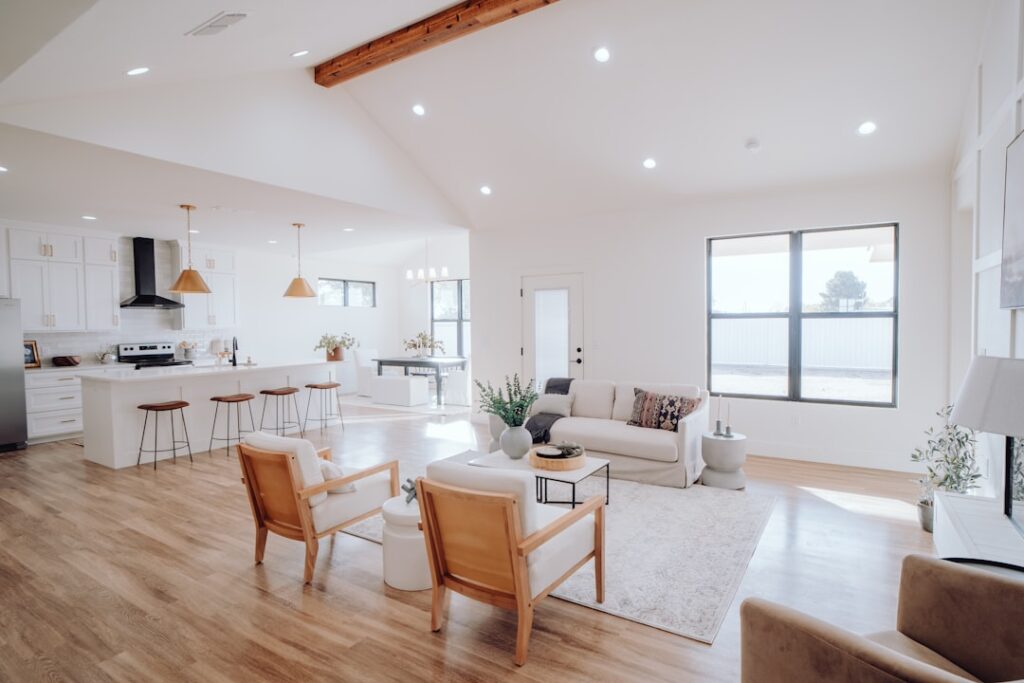
When people search for Greek flooring, they are usually chasing a feeling more than a single product: the cool, sun-washed calm of a whitewashed island home, the timeless geometry of an ancient mosaic, the honeyed warmth of a terracotta courtyard. Greek and broader Mediterranean flooring is a design tradition built on natural stone, clay, and light, airy tones that keep interiors cool in fierce summer heat. This guide breaks down the materials behind the look, how to get it right in a modern home, and the honest trade-offs of each choice.
- The Materials Behind the Greek Look
- Why Cool, Light Tones Dominate
- Marble: The Classic Choice
- Mosaic and Terracotta: Character and Warmth
- The Honest Pros and Cons
- Costs and Smart Substitutes
- Terrazzo's Place in the Greek Palette
- Completing the Mediterranean Look
- Climate and Practical Considerations
- Bringing the Greek Look Home
The Materials Behind the Greek Look
Greek flooring is less a single material than a palette of natural surfaces used for thousands of years around the Aegean. The core players are:
- Marble: Greece is famous for white and gray-veined marble, used in everything from temples to modern villas, prized for its cool touch and luminous surface.
- Mosaic: small tesserae of stone, glass, or ceramic arranged into geometric borders, wave patterns, and figurative scenes, a hallmark of classical and Byzantine design.
- Terrazzo: chip-and-binder floors that echo ancient aggregate surfaces and suit both villas and contemporary spaces.
- Terracotta: warm, earthy fired-clay tiles that anchor rustic Mediterranean kitchens and courtyards.
Each carries a different mood, from the crisp formality of polished marble to the relaxed, hand-made character of terracotta, but together they define the style.
Why Cool, Light Tones Dominate
There is practical wisdom behind the pale palette. Light-colored marble and stone reflect heat and sunlight, helping interiors stay cool through long, hot summers, which is why so much Greek architecture leans into white, soft gray, and sandy beige. Those tones also bounce the intense Mediterranean light around rooms, creating the bright, open feel the style is known for. In a modern home anywhere, the same colors read as calm, spacious, and effortlessly elegant, pairing beautifully with blue accents, natural wood, and woven textures.
Marble: The Classic Choice
Marble is the heart of the high-end Greek look. It is undeniably beautiful, cool underfoot, and can last generations, and its veining makes every slab unique. But marble is demanding. It is a soft, porous stone that scratches, etches from acidic spills like lemon and wine, and stains if left unsealed. It is also expensive and cold, which is a plus in summer and a drawback in winter without radiant heat. If you love marble but want easier care, large-format porcelain that mimics Greek marble veining gives you the look with far better stain and scratch resistance.
Mosaic and Terracotta: Character and Warmth
Mosaic floors deliver the most authentically classical effect, especially as borders, medallions, or accent panels in entryways and bathrooms. They are labor-intensive and therefore costly, and the many grout lines need sealing and regular cleaning, but nothing else captures the heritage so directly. Terracotta swings the mood from cool to warm. Its earthy tones and slightly irregular, hand-made surface bring rustic charm to kitchens and sunrooms. Unsealed terracotta is porous and stains easily, so it must be sealed and periodically re-sealed, and it can feel harder and less refined than marble, though many people love exactly that lived-in quality.
The Honest Pros and Cons
The Mediterranean palette offers real strengths and real maintenance demands. On the plus side, these are durable natural materials that age with character, stay cool in heat, and create a timeless, light-filled aesthetic that resists trends. On the other side:
- Porosity: marble, terracotta, and natural stone all need sealing to resist stains.
- Cold and hard: wonderful in summer, tough on feet and joints in winter without heating.
- Etching and scratching: marble in particular reacts to acids and shows wear.
- Cost and labor: genuine marble and mosaic installation is expensive and skilled work.
Costs and Smart Substitutes
Authentic materials are an investment. Natural Greek-style marble commonly runs $15 to $40 per square foot installed, intricate mosaic work can climb well past that, and quality terracotta lands in the mid range with extra labor for sealing. To capture the look on a tighter budget, porcelain tile is the workhorse substitute. Modern porcelain convincingly reproduces marble veining, terracotta tones, and even mosaic patterns, while resisting stains, scratches, and acids and costing a fraction of the natural versions. Mixing real stone in a feature area with porcelain elsewhere is a popular way to balance authenticity and budget.
Terrazzo’s Place in the Greek Palette
Often overlooked in the marble-and-mosaic conversation, terrazzo deserves its own mention because it bridges ancient and modern Mediterranean style beautifully. The technique of setting stone chips into a binder traces back to the ancient world, and contemporary terrazzo, with marble or glass chips in a light matrix, fits seamlessly into a Greek-inspired room. It offers the cool, light tones the style favors, plus exceptional durability and a seamless poured option that flows around the curves and arches common in Mediterranean architecture. For homeowners who love the heritage but want something more forgiving than polished marble, terrazzo delivers a similar luminous, speckled surface that hides minor wear and lasts for decades.
Completing the Mediterranean Look
Flooring sets the foundation, but the Greek aesthetic comes alive through the details around it. To make natural stone or porcelain read as authentically Mediterranean rather than generic, lean into a few signature touches:
- Blue and white accents: the classic Aegean palette of crisp white walls and deep sea-blue trim, doors, or textiles.
- Natural textures: woven baskets, linen, and terracotta pots that echo the earthy materials underfoot.
- Arches and curves: rounded doorways and niches that complement seamless terrazzo or stone.
- Warm wood accents: olive-wood and rustic timber that balance cool stone floors.
- Abundant light: minimal window coverings to let the pale floors do their job of bouncing daylight.
These elements turn a stone or porcelain floor into a cohesive Mediterranean room rather than a single isolated feature.
Climate and Practical Considerations
One reason this style works so well in its homeland is its fit with a hot, dry climate, and that informs how to adapt it elsewhere. The cool, light stone that feels refreshing in a Greek summer can feel cold and unwelcoming through a northern winter, so radiant floor heating is a wise pairing in colder regions, turning the thermal mass of stone into a slow, even warmth. In humid climates, choose less porous materials or seal natural stone diligently to prevent staining and mildew. And in any home with children or older adults, favor honed rather than highly polished finishes, since polished marble becomes slick when wet. Thoughtful adaptation keeps the look authentic while making it livable in any US climate zone.
Bringing the Greek Look Home
Greek flooring is ultimately about light, natural materials, and a sense of calm that has endured for millennia. Decide first on the mood you want, the cool elegance of marble, the heritage of mosaic, or the warmth of terracotta, then choose between authentic stone and clay or their porcelain stand-ins based on your budget and tolerance for upkeep. Seal natural materials, plan for radiant heat in cold climates, and lean into the pale, sun-washed palette. Get those choices right and you bring a slice of the Mediterranean into your home, one that will still look beautiful decades from now.
Prefer to explore on your own?
See how new flooring looks in your actual room in seconds — free, no signup.
Try the free Floor Studio →