Few design choices transform a kitchen as fast as a wall of hand-painted color behind the range. A mediterranean tile backsplash borrows from the sun-baked kitchens of Spain, Italy, Greece, and Morocco, layering warm terracotta, cobalt blue, and intricate patterns into a focal point that feels collected rather than installed. It is bold, forgiving of imperfection, and surprisingly practical. This guide covers the styles, materials, layouts, and costs so you can bring that warmth home without guesswork.
Part of our Kitchen Remodeling guide — explore the full guide →
What Defines the Mediterranean Look
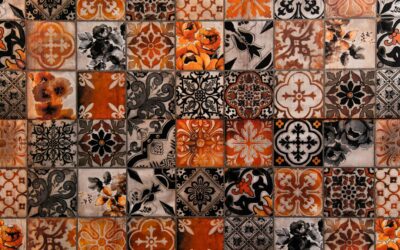
The style is less a single pattern than a family of related traditions. What ties them together is handmade character: slightly uneven glazes, saturated earth-and-sea colors, and repeating geometric or floral motifs. Spanish and Portuguese tiles lean on blue-and-white azulejos. Moroccan zellige brings a glossy, imperfect, light-catching surface. Italian majolica adds painterly fruit and floral scenes. Greek influences favor crisp white with bold blue accents.
The unifying thread is imperfection as a feature. Machine-perfect uniformity actually works against the look, so lean into the subtle variation that gives a mediterranean tile backsplash its lived-in soul.
Signature Colors and Palettes
Color is where this style earns its reputation. Build your palette around a few anchors rather than trying to use every hue at once.
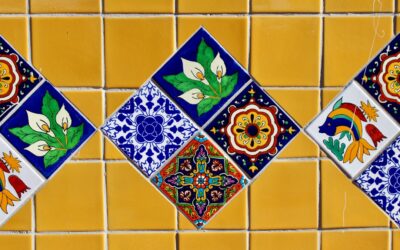
- Cobalt and white: The classic azulejo pairing, crisp and timeless against white cabinets.
- Terracotta and ochre: Warm earth tones that pair beautifully with wood cabinetry and copper fixtures.
- Sea green and turquoise: The Moroccan and coastal note, especially in glossy zellige.
- Mustard and burnt orange: Rich accent colors that keep a neutral kitchen from feeling flat.
A common approach is to keep field tiles neutral and concentrate the pattern in a framed section behind the cooktop, letting the color pop without overwhelming the room.
Tile Materials to Consider
Several materials deliver the look, and each behaves differently on the wall and in the budget.
Hand-Painted Ceramic
The most authentic choice. Genuine hand-painted decorative tiles from Spain or Portugal cost $15 to $50 per square foot, but you rarely need many; a small painted panel goes a long way. The brushstrokes and glaze pooling are the whole point.
Moroccan Zellige
Handmade terracotta tiles with a glossy glaze that ripples and varies from piece to piece. Expect $20 to $40 per square foot. The uneven surface catches light and is the current designer favorite, though the irregular edges make installation slower.
Printed Ceramic and Porcelain
Modern manufacturers reproduce patterned looks on durable porcelain for $5 to $15 per square foot. You lose some hand-made depth but gain consistency, lower cost, and easier cleaning, making this the practical pick for a full wall.
Cement (Encaustic) Tile
Bold geometric patterns pressed into cement, common in Moroccan and Spanish design. Beautiful but porous; they must be sealed before and after grouting and are best used as an accent rather than around a splashy sink.
Layout Patterns That Work
How you arrange the tile matters as much as the tile itself. A straight grid keeps a busy pattern calm and lets the color do the work. A framed “rug” panel, a rectangle of patterned tile bordered by plain field tile behind the range, is the most popular way to feature expensive hand-painted pieces. Running a patterned band as a border along the top or middle of a neutral field is a budget-friendly way to get the vibe with fewer decorative tiles.
For zellige, a classic offset or brick layout emphasizes the handmade edges, while a vertical stack reads more contemporary. Whatever you choose, dry-lay the pattern on the counter first to sort color variation and confirm the motif lines up.
Cost of a Mediterranean Backsplash
Total cost swings widely based on how much decorative tile you use. A mostly-neutral wall with a small hand-painted feature panel might run $600 to $1,200 installed for an average kitchen. A full wall of authentic zellige or hand-painted ceramic can climb to $2,500 or more once you add labor. Printed porcelain keeps a full backsplash in the $800 to $1,500 range installed. Labor for backsplash tile typically runs $10 to $18 per square foot, higher for irregular handmade tile that demands extra care and cutting.
Installation Tips
Patterned and handmade tile is less forgiving than plain subway tile, so slow down. A few field-tested pointers keep the result crisp.
- Start from a centered vertical line behind the range so the pattern is symmetrical around the focal point.
- Use a white thinset with light or handmade tiles; gray thinset can telegraph through glossy zellige.
- Seal cement and unglazed terracotta tiles before grouting to prevent the grout from staining the face.
- Choose grout color deliberately: a matching grout softens the pattern, while a contrasting grout sharpens each tile’s outline.
- Expect to sort handmade tiles for color and thickness, and plan for extra cutting time around outlets.
Pairing With Cabinets and Countertops
The backsplash never lives alone, and the surrounding finishes decide whether the color reads as charming or chaotic. White or cream Shaker cabinets are the safest backdrop, letting cobalt and terracotta patterns sing without competition. Warm wood cabinetry in walnut or oak amplifies the earth-tone palette and leans rustic-Tuscan. For countertops, a honed or matte surface in a neutral stone or butcher block keeps the eye on the tile.
Avoid pairing a busy patterned backsplash with a heavily veined granite or a bold quartz; two competing patterns fight for attention. If your counter is dramatic, dial the backsplash back to solid zellige in a single sea-green or white glaze so both surfaces breathe.
Care and Cleaning
Glazed ceramic and porcelain wipe clean with a damp cloth and mild dish soap, shrugging off grease splatter behind the range. The grout lines need the real attention: seal cement-based grout once a year to keep tomato sauce and oil from staining it. Unglazed terracotta and cement tiles must stay sealed as well, since they absorb liquids readily. Skip harsh acidic cleaners on any handmade or natural tile, as vinegar and lemon-based products can etch glazes and dull the surface over time. For everyday upkeep, a quick wipe after cooking prevents grease from building up in the textured surface of zellige, and a soft-bristle brush clears any residue that settles into the grout joints. Handmade tile ages gracefully, so minor patina is part of the charm rather than a flaw to scrub away. A properly sealed and gently maintained backsplash will hold its color and character for decades without any special products or professional cleaning.
Keeping It Timeless
Bold color can date a kitchen, so anchor the drama in elements that are easy to change. Keep cabinets, counters, and hardware relatively neutral and let the backsplash carry the personality. That way, if trends shift, you are re-tiling one wall rather than gutting the room. A well-chosen palette of terracotta, cobalt, and warm white has stayed in style for centuries precisely because it reads as timeless rather than trendy.
Final Thoughts
A mediterranean tile backsplash delivers more character per square foot than almost any other kitchen upgrade. Decide how much authentic handmade tile your budget allows, feature it in a framed panel or border, and surround it with calmer field tile. Respect the sealing and layout details during installation, and you will end up with a warm, collected, sun-drenched kitchen that looks like it was gathered over years rather than installed in a weekend.
Prefer to explore on your own?
See how new flooring looks in your actual room in seconds — free, no signup.
Try the free Floor Studio →