The difference between a builder-grade bathroom and one that looks designed often comes down to a single strip of tile. A well-placed decorative accent tile injects color, texture, or pattern into an otherwise plain field, and it does it for a fraction of the cost of retiling an entire room. The trap is overdoing it. Use too much and the effect goes from tasteful to chaotic, so knowing where and how much to place is the whole game.
Part of our Tile & Grout guide — explore the full guide →
This guide covers the types of accent tile, the smartest places to use them, realistic costs, and the installation details that keep the finished result looking intentional rather than busy.
What Counts as an Accent Tile
An accent tile is any tile used deliberately to break up or highlight a field of plainer tile. It might be a mosaic band running through a shower wall, a hand-painted medallion set into a backsplash, or a row of contrasting color at chair-rail height. The defining trait is that it draws the eye on purpose.
Because it is used sparingly, an accent tile can cost far more per piece than the surrounding tile without blowing the budget. That freedom lets you splurge on a gorgeous handmade or metallic tile that would be unaffordable across a whole wall.
Types of Decorative Accent Tile
The category is broad, which is part of what makes it so useful. Different materials and formats create very different effects, so match the type to the mood you want.
- Mosaic sheets: Small tiles mounted on a mesh backing, ideal for bands, niches, and shower floors. They bend around curves and cost $8 to $30 per square foot.
- Listello and pencil trim: Narrow strips used as borders or transitions. They frame a field and hide edges cleanly.
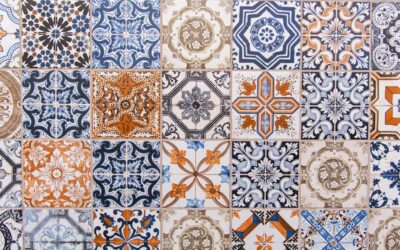
- Hand-painted and encaustic tile: Bold patterns and color, often used as a feature panel or a single medallion.
- Metallic and glass: Reflective tiles that catch light and add a modern shimmer.
- Textured and 3D tile: Raised patterns that create shadow and depth on a feature wall.
Many homeowners combine two of these, such as a glass mosaic band framed by a pencil trim, to give the accent a finished, custom edge.
Where to Use Accent Tile for Maximum Impact
Placement is everything. The best accent locations are spots where the eye naturally lands or where you want to define a zone. A few reliably effective placements stand out.
Behind the Range or Cooktop
A framed panel of patterned tile behind the stove creates a focal point in the kitchen and anchors the backsplash. This is the single most popular spot for a decorative accent tile feature.
Shower Niches and Bands
Lining a shower niche with mosaic or running a horizontal band at eye level breaks up a large expanse of plain wall tile and adds a spa-like touch.
Floor Borders and Rugs
A patterned tile border around a plain floor, or a tiled rug inset in an entryway, defines the space and guides foot traffic.
How Much Accent Tile to Use
Restraint separates a designer look from a cluttered one. As a rule of thumb, accent tile should cover no more than 10 to 20 percent of the visible surface. Any more and it stops being an accent and becomes the main event, which usually reads as too much.
Pick one focal point per room and let it dominate. If you put a bold patterned panel behind the range, keep the rest of the backsplash simple. If you run a colorful band through the shower, keep the floor and field tile quiet. Competing accents cancel each other out and make the space feel restless.
Coordinating Color and Style
An accent works only if it relates to the rest of the room. Pull the accent color from something already in the space, such as a countertop vein, a cabinet finish, or a paint color, so it feels connected rather than random. A metallic accent should echo your hardware and fixture finish, whether that is brushed nickel, brass, or matte black.
Style matters as much as color. A sleek glass accent suits a modern kitchen, while an encaustic cement pattern fits a farmhouse or Mediterranean look. When the accent and the setting share a design language, the tile feels like it belongs. When they clash, even a beautiful tile looks out of place.
Cost and Budgeting
Because you use so little, accent tile lets you spend up without a large total. A single feature panel behind a range might use just 8 to 12 square feet. Even at $25 per square foot, that is only $200 to $300 in premium tile.
- Budget mosaic band: $8 to $15 per square foot.
- Mid-range glass or metal: $15 to $30 per square foot.
- Handmade or encaustic feature: $30 to $60 per square foot.
- Installation: Add $10 to $25 per square foot, more for intricate mosaic work.
Because accent work involves more cuts and careful alignment, labor per square foot runs higher than for plain field tile. Factor that into the quote so the number does not surprise you.
Installation Tips for a Clean Result
Accent tile lives or dies on precision, because its whole purpose is to catch the eye. Any crooked line or uneven grout joint is instantly visible. Dry-lay the pattern first to confirm the layout and center it in the space before spreading any thinset.
Use tile spacers to keep grout lines consistent between the accent and the field tile, and choose a grout color that flatters the accent rather than fighting it. For mosaic sheets, make sure the mesh backing is fully embedded and no adhesive shows through the gaps. When the accent meets a different tile size, a thin metal or trim strip creates a crisp transition and hides any slight difference in thickness.
Handling Different Tile Thicknesses
One detail catches most DIYers off guard: accent tiles are frequently a different thickness than the field tile around them. A handmade encaustic tile might sit a sixteenth of an inch proud of the ceramic beside it, and glass mosaics are often thinner than the surrounding porcelain. Left unaddressed, that mismatch creates a lip that catches the eye and, on a floor, a toe.
The fix is to build up or shim the thinner tile with extra thinset so the finished faces sit flush. Check the plane with a straightedge as you set each piece. For a transition you cannot make flush, a metal Schluter-style profile bridges the height difference cleanly and protects the exposed edge. Planning for thickness before you start prevents the frustrating discovery that your beautiful accent stands proud of the wall once the thinset has cured.
Sealing and Long-Term Care
Many of the most striking accent tiles are also the most delicate. Cement and encaustic tiles are porous and must be sealed before grouting, or the grout will stain the face permanently. Natural stone and unglazed handmade tiles need a penetrating sealer as well, both before grouting and periodically afterward. Metallic and glass accents, by contrast, need no sealing but should be cleaned with a soft cloth to avoid scratching the finish.
Match your cleaning routine to the most fragile tile in the installation. If your accent is cement or stone, skip acidic and abrasive cleaners across the whole area, since one spray bottle usually hits both the accent and the field. A little upfront sealing and gentle care keeps a decorative accent tile looking as sharp in ten years as it did the day it went in. Take your time on these details, and a small amount of accent tile will transform a plain room into one that looks professionally designed.
Prefer to explore on your own?
See how new flooring looks in your actual room in seconds — free, no signup.
Try the free Floor Studio →