
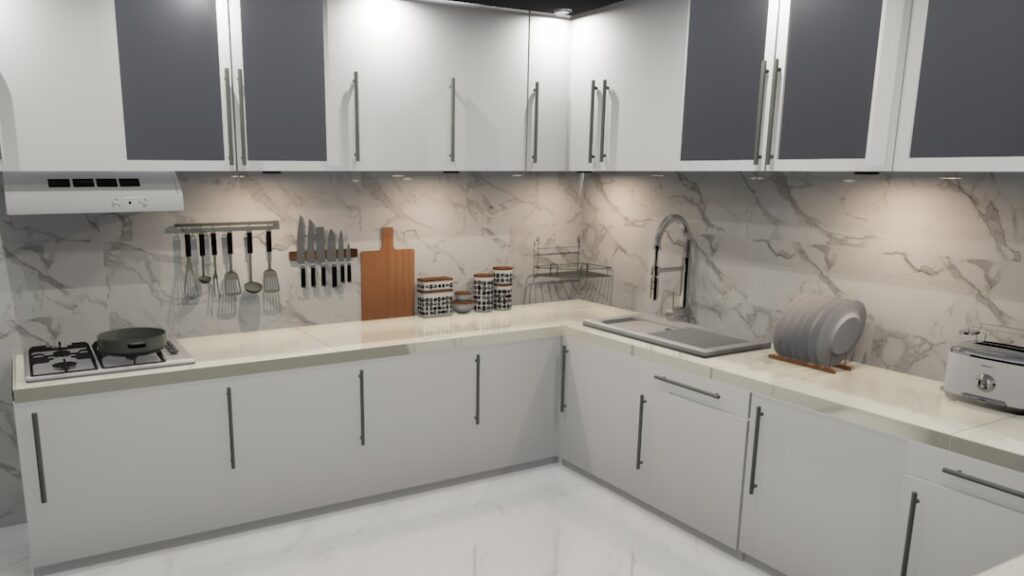
A fully red kitchen can feel overwhelming, but a few well-placed touches of red can make the whole room feel warm, lively, and inviting. Red kitchen accents are the smart middle path: they bring the energy and appetite-stimulating warmth of red without committing to red cabinets or walls you might tire of. The key is balance, knowing where to add red, how much is enough, and which shade fits your style. Used with restraint, red turns a flat, neutral kitchen into a space with real personality. Here is how to get it right.
Part of our Kitchen Remodeling guide — explore the full guide →
Why Red Works in the Kitchen
Red is a warm, energizing color long associated with appetite and gathering, which makes it a natural fit for the kitchen. It draws the eye, adds warmth, and creates a focal point in a room that can otherwise feel utilitarian.
The reason accents work better than an all-red scheme is intensity. Red is a strong color, and too much of it can feel busy or even agitating over time. Used as accents against a neutral base, it delivers the warmth and pop without dominating, and it is far easier to update when you want a change.
Start With a Neutral Base
Red accents look their best against a calm backdrop that lets them stand out. White, cream, gray, and natural wood all give red room to breathe and keep the look balanced rather than chaotic.
White is the classic partner, crisp and clean, making red feel fresh and bold. Gray gives a more modern, sophisticated contrast. Warm wood tones soften red and lean rustic or farmhouse. Black-and-white kitchens, meanwhile, turn red into a striking, almost graphic statement. Choose your base first, then layer red on top.
Where to Add Red Accents
The beauty of accents is flexibility. You can add as little or as much as you like, and most options are easy to swap. Good places to introduce red include:
- Small appliances: A red stand mixer, kettle, or toaster adds a confident pop on the counter.
- Bar stools or seating: Red stools at an island become an instant focal point.
- Textiles: Dish towels, a runner, seat cushions, and window treatments add easy, low-commitment color.
- Backsplash or tile: A red tile accent strip or feature area for a bolder, more permanent statement.
- Cookware and accessories: Red pots, canisters, and a fruit bowl tie the look together.
- A single feature piece: One red island, door, or hutch as a deliberate centerpiece.
Start with removable items like textiles and appliances if you are unsure, since they let you test the look before committing to anything permanent.
How Much Red Is Enough
Balance is everything with a bold color. A useful guideline is to keep red as roughly the smallest portion of your color scheme, the accent rather than the foundation. Think of it as the exclamation point, not the whole sentence.
Spread the red around the room rather than clustering it all in one corner, so the eye moves naturally and the color feels integrated. Two or three red touches placed at different heights and points in the kitchen usually look more intentional than a single concentrated splash. When in doubt, use less; you can always add more.
Choosing the Right Shade of Red
Red is not one color, and the shade you choose sets the entire mood. Match it to your kitchen’s style and the feeling you want.
- Bright cherry or fire-engine red: Energetic and retro, great for a playful or vintage-inspired kitchen.
- Deep burgundy or wine: Rich and sophisticated, suited to traditional and elegant spaces.
- Brick or terracotta red: Warm and earthy, perfect for rustic and farmhouse kitchens.
- Coral or tomato red: Softer and more modern, a friendlier take on the color.
Test your chosen red against your cabinets and countertops in the kitchen’s actual light, since the same red can look very different under warm versus cool lighting.
Tie It Together With Repetition
Accents look most polished when the color repeats in a few places rather than appearing once and never again. If you add a red kettle, echo it with a red dish towel and a bowl of apples or a small red accessory across the room. This repetition makes the color feel like a planned part of the design instead of an afterthought.
You can also bridge red to the rest of the room with complementary touches. Greenery, brass hardware, or natural wood alongside red creates a layered, collected look that keeps the bold color feeling warm rather than jarring.
Red Accents for Different Kitchen Styles
The same color reads very differently depending on your kitchen’s style, so match the application to the look. In a modern kitchen, a single high-gloss red appliance or a sleek red bar stool against white or gray cabinets makes a clean, confident statement. In a farmhouse or rustic kitchen, brick or terracotta red in textiles, a vintage enamel pot, or a painted hutch feels warm and lived-in.
Traditional kitchens take well to deeper burgundy and wine reds in upholstery, window treatments, and accessories, which read as rich and timeless. Retro and vintage-inspired kitchens are the one place where bright cherry red can go a little further, on appliances, dinnerware, and even a tiled accent, channeling a classic diner feel.
Common Mistakes to Avoid
A few missteps can tip red accents from charming into overwhelming. Watch out for these:
- Too much, too fast: Loading the kitchen with red everywhere erases the accent effect and feels chaotic.
- Clashing reds: Mixing a cool blue-red with a warm orange-red looks accidental; stick to one red family.
- Ignoring the base: Red needs a calm neutral backdrop to shine, so do not skimp on the white, gray, or wood foundation.
- Permanent commitment too soon: Painting cabinets red before testing the look with removable items can lead to regret.
Avoiding these keeps your red accents looking deliberate and balanced rather than busy.
Making Red Accents Work Long-Term
The smartest thing about accent-based color is how easy it is to live with and change. Keep your permanent surfaces neutral, add red through items you can swap, and you can refresh the whole feel of the kitchen for very little money whenever you want. Start small, spread the color thoughtfully, choose a shade that matches your style, and repeat it a few times around the room. Do that, and red kitchen accents will give your space warmth and character without ever feeling like too much.


