Few finishes command a room the way red tile does. It can read as rustic and earthy in a Tuscan kitchen, glossy and modern on a backsplash, or warm and grounding across a sunroom floor. Because red is such a strong color, choosing it well takes more planning than picking a neutral. This guide walks through the main types of red tile, the rooms where it shines, realistic costs, and how to keep the color from looking dated or overwhelming.
Types of Red Tile
Not all red tile is the same material, and the type drives both the look and the upkeep.
- Terracotta: The classic warm orange-red of Mediterranean and Southwestern homes. Naturally porous, so it must be sealed.
- Porcelain and ceramic: The most versatile. Glazed in everything from deep brick to bright cherry, durable and low maintenance.
- Glass: Brilliant, jewel-like reds for backsplashes and accent walls. Reflects light beautifully but shows water spots.
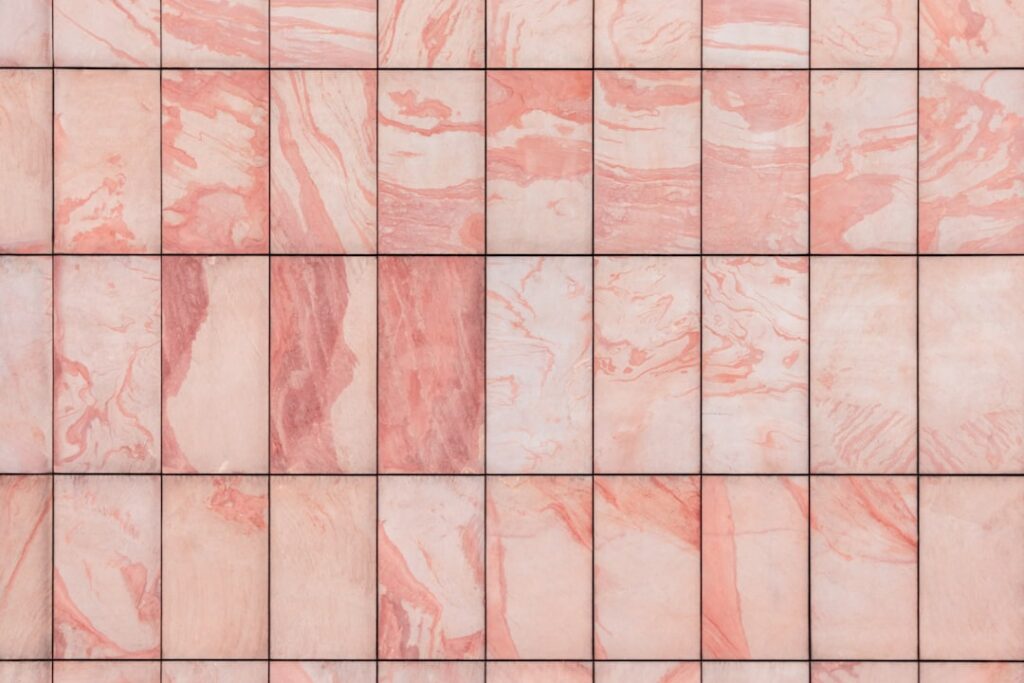
- Natural stone: Red slate, red marble, and certain granites bring depth and veining no manufactured tile can copy.
- Quarry tile: Dense, unglazed red tile common in commercial kitchens and patios for its slip resistance.
Where Red Tile Works Best
Red is an advancing color, meaning it visually moves toward you and makes a space feel cozier and smaller. That makes it a smart choice for entries, mudrooms, and powder rooms where you want energy and warmth. In a large open kitchen, a full red floor can feel intense, so many homeowners save the color for a backsplash, an accent stripe, or a single feature wall.
Terracotta and quarry tile suit floors because they wear well and hide dust. Glossy red ceramic and glass belong on walls and backsplashes where their shine is a feature rather than a slip hazard. Outdoors, only frost-rated porcelain or quarry tile should be used in climates that freeze.
Designing With Red Without Overwhelming the Room
The fastest way to make red tile look dated is to pair it with the wrong supporting colors. Keep the rest of the palette calm. Crisp white grout makes a red tile pop and reads contemporary, while a gray or beige grout softens the contrast for a more traditional feel.
Balance red with neutrals: warm whites, soft grays, natural wood, and matte black hardware all let the tile be the star. Avoid competing with other saturated colors in the same sightline. If you love pattern, a red and white Moroccan or encaustic-look tile gives drama without a wall of solid color.
Red Tile Cost Ranges
Pricing varies widely by material and origin. As a general guide in the US market:
- Basic glazed ceramic red tile: roughly $2 to $7 per square foot.
- Porcelain: about $4 to $12 per square foot.
- Glass mosaic: $10 to $30 per square foot.
- Terracotta and quarry: $3 to $10 per square foot.
- Red natural stone: $8 to $25 or more per square foot.
Professional installation typically adds $7 to $15 per square foot depending on layout complexity, demolition, and your region. Intricate patterns, small mosaics, and diagonal layouts cost more in labor than a simple straight grid.
Sealing and Maintenance
Glazed porcelain and ceramic need little more than regular sweeping and a damp mop with a pH-neutral cleaner. The grout lines, not the tile, are what stain, so seal grout on day one and refresh the sealer every year or two.
Terracotta, quarry, and natural stone are porous and demand more attention. Seal them after installation and reapply on a schedule, since unsealed red terracotta absorbs spills and can develop dark blotches. Skip acidic cleaners like vinegar on stone, which etches the surface and can dull red marble in particular. For glass tile, a microfiber cloth and glass cleaner keep the reflective surface streak free.
Keeping the Color Vivid Over Time
Quality glazed tile holds its color almost indefinitely because the pigment is fired into the glaze. The real fading risk is with natural materials and direct sun. In a sunroom or near large south-facing windows, very intense direct light over many years can mute some natural reds, so consider UV-filtering window film if the floor gets blasted daily. For sealed terracotta, the warm patina that develops over decades is usually considered a feature, not a flaw.
Is Red Tile Right for You
Choosing the Right Shade of Red
Red is not a single color, and the undertone you pick changes the whole mood of a room. Warm, orange-leaning reds like terracotta and brick feel earthy, rustic, and traditional, pairing naturally with wood and warm metals. Cool, blue-leaning reds such as deep cherry or oxblood read more dramatic and contemporary, and they sit well alongside grays, blacks, and cool whites. True fire-engine red is energetic and playful but can feel dated quickly, so it is often best used in small, easily changed doses like a single accent strip. When in doubt, deeper and more muted reds tend to age better than bright primary tones, and they hide everyday dirt and wear more gracefully on a floor.
Layout and Pattern Ideas
Because red is so assertive, the layout you choose can either amplify or temper it. A solid red floor in a straight grid makes a bold, unbroken statement, while mixing red with neutral tiles in a checkerboard or border pattern softens the intensity and adds visual interest. On a backsplash, a herringbone or stacked layout in glossy red glass catches light beautifully. Red and white encaustic-look patterns give a vintage, hand-crafted feel without committing to a wall of solid color. For a feature wall, consider running red tile only behind a fireplace or vanity so it frames the focal point rather than competing across the whole room.
Red tile rewards homeowners who want their space to feel bold and inviting and who are willing to commit to a strong color. Because it is harder to change than paint, test large samples in your actual lighting before buying, and lean toward porcelain or quality ceramic if you want vivid color with minimal upkeep. Used as an accent or backed by calm neutrals, red tile delivers a timeless warmth that few other finishes can match.
Prefer to explore on your own?
See how new flooring looks in your actual room in seconds — free, no signup.
Try the free Floor Studio →