The cost to tile a bathroom varies widely because no two projects are the same, but understanding how the numbers break down helps you set a realistic budget and avoid surprises. Tile choice, the area you are covering, the condition of the subfloor, and local labor rates all push the final figure up or down. Treat every number in this guide as a planning estimate rather than a quote, since prices shift by region, season, and contractor.
Below you will find typical price ranges for materials and labor, common extras that catch people off guard, and practical ways to control spending without sacrificing a result you will be happy with for years.
What Drives the Total Price
Three big factors shape your budget: how much surface you are tiling, what tile you select, and who does the work. A small floor-only refresh sits at the low end, while a full bath with floor, shower walls, and a tub surround in premium tile lands much higher.
Layout complexity also matters more than many homeowners expect. Straight grids in a square room go quickly. Diagonal patterns, herringbone, mosaics, niches, and curved walls all take longer to set and waste more material, which raises both labor and supply costs.
Tile Material Cost Per Square Foot
Tile pricing covers an enormous range, so the material you pick is one of the biggest levers you control. As rough planning estimates:
- Ceramic tile: often around $1 to $8 per square foot, the budget-friendly workhorse for floors and walls.
- Porcelain tile: commonly $3 to $12 per square foot, denser and more water-resistant than ceramic.
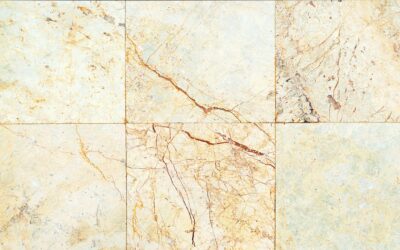
- Natural stone (marble, travertine, slate): frequently $7 to $20-plus per square foot, with higher sealing and maintenance demands.
- Glass and specialty mosaics: often $10 to $30-plus per square foot, usually reserved for accents.
Remember to buy roughly 10 to 15 percent extra for cuts, breakage, and future repairs. That overage is cheap insurance against a dye-lot mismatch later.
Labor Costs for Tile Installation
Labor is usually the largest line item. Professional tile installation commonly runs somewhere in the range of $7 to $15 per square foot, and intricate work or stone can push it higher. Some installers price by the project rather than the square foot, especially for small bathrooms where setup time dominates.
Why so variable? A bathroom involves detailed cuts around toilets, vanities, and drains, plus waterproofing in wet areas. Shower walls and floors require more skill and time than a simple floor, so a shower-heavy project costs more per square foot than a floor-only job.
Typical Total Cost by Project Scope
Pulling materials and labor together, here are ballpark ranges for common scopes. These are estimates only and assume a standard-size bathroom with no major structural issues.
- Floor only, small bath: often a few hundred to roughly $1,500.
- Floor plus a tub surround or shower walls: commonly $1,500 to $5,000.
- Full bathroom in mid-range tile: frequently $3,000 to $8,000.
- Large or high-end bath with stone and custom patterns: $8,000 to $15,000 or more.
Your actual cost depends heavily on tile selection and how much wall area you cover, so use these brackets as a starting point and refine them with local quotes.
Hidden and Extra Costs to Plan For
The sticker price of tile and labor rarely tells the whole story. Several extras commonly appear once work begins:
- Removing and disposing of old tile and the underlying mortar bed.
- Repairing or replacing a damaged or uneven subfloor before tiling.
- Waterproofing membranes and backer board, which are essential in showers.
- Setting materials such as thinset mortar, grout, and sealers.
- Trim pieces, edging, and transition strips at doorways.
- Plumbing or fixture work if you move a drain or replace a valve.
Build a contingency of 10 to 20 percent into your budget. Bathrooms hide problems behind walls and under floors, and a cushion keeps a small surprise from derailing the whole job.
DIY Versus Hiring a Professional
Tackling a tile floor yourself can cut labor from the equation, which is the single biggest saving available. A confident DIYer with the right tools can handle a straightforward floor over a sound subfloor. You will still spend on a tile saw or rental, trowels, spacers, mortar, grout, and sealer.
Wet areas are a different story. Shower waterproofing is unforgiving; a small mistake can lead to hidden leaks, mold, and far costlier repairs down the road. If your project includes a shower or tub surround, hiring an experienced tile setter is usually money well spent. When in doubt, get a licensed professional to handle the waterproofing even if you do the rest.
Smart Ways to Save Without Cutting Corners
You can trim the cost to tile a bathroom without ending up with a result you regret. Choose a quality ceramic or porcelain instead of stone, keep the layout to a simple grid, and concentrate splurge tiles in a small accent band rather than across every surface. Reusing a sound subfloor and keeping plumbing in place also avoids two of the priciest extras.
Get at least three written quotes, ask exactly what each includes, and confirm whether demolition, disposal, and setting materials are part of the price. Scheduling in a contractor’s slower season can sometimes earn a better rate, too.
Regional and Timing Differences
Where you live changes the math considerably. Labor rates in major metropolitan areas and high-cost-of-living regions can run well above the national average, while smaller markets often come in lower. The same tile and the same scope can vary by hundreds or even a few thousand dollars from one city to another, so national averages are only a starting reference.
Timing plays a role as well. Many contractors are busiest in spring and summer, which can mean higher quotes and longer waits. Booking in a slower stretch of the year may earn you a more competitive price and faster scheduling. Material costs can also fluctuate, so if you find the tile you love at a good price, it can pay to buy your full quantity, including the overage, at once.
Final Thoughts
Knowing the realistic cost to tile a bathroom lets you plan with confidence rather than react to surprises. Material runs from a dollar or two per square foot for basic ceramic to well over twenty for stone, labor adds another sizable layer, and extras like waterproofing and subfloor repair round out the budget. Decide where to spend and where to save, gather local quotes, and keep a contingency on hand so your finished bathroom looks great and stays within reach.
Prefer to explore on your own?
See how new flooring looks in your actual room in seconds — free, no signup.
Try the free Floor Studio →