Before you fall in love with a tile at the showroom, it helps to know what the finished project will actually run. How much does it cost to tile a bathroom depends on the size of the space, the surfaces you cover, the tile you choose, and your local labor rates, but most homeowners spend between $7 and $25 per square foot installed. A typical full bathroom job lands somewhere between $1,500 and $8,000 once floors, shower walls, and accents are all figured in.
Part of our Bathroom Remodeling & Flooring guide — explore the full guide →
That is a wide range, so this guide breaks it into real numbers. Below you will find average costs per square foot, a line-item breakdown of where the money goes, price differences by tile type, and the extras that quietly inflate a quote. Understanding these figures helps you build a realistic budget and spot an overpriced bid.
Average Cost to Tile a Bathroom
The single most useful number is the installed cost per square foot, which combines materials and labor. For standard ceramic or porcelain, most projects fall in the $7 to $25 range per square foot, with the national average around $12 to $15.
- Small bathroom (40 sq ft of tile): $1,500 to $3,000
- Medium bathroom (100 sq ft of tile): $3,000 to $6,000
- Large or primary bathroom (150+ sq ft): $6,000 to $12,000
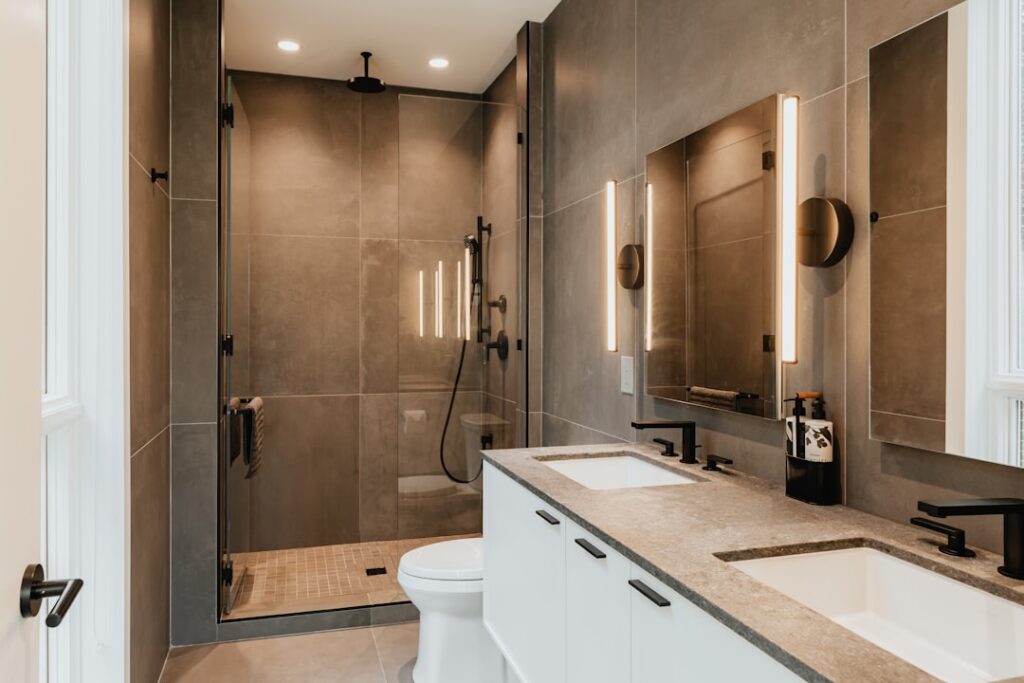
Keep in mind that “square feet of tile” is not the same as the floor area. A bathroom with a tiled floor plus a full tiled shower surround can easily have three times the tiled area of the floor alone, which is why a small room still carries a meaningful price tag.
Cost Breakdown by Line Item
Understanding where each dollar goes makes it easier to trim a budget or justify an upgrade. Here is how a typical mid-range bathroom breaks down per square foot.
- Tile material: $2 to $15 per sq ft depending on quality
- Labor (installation): $7 to $14 per sq ft
- Thinset mortar and grout: $0.50 to $1.50 per sq ft
- Backer board or waterproofing membrane: $1 to $3 per sq ft
- Demolition and old tile removal: $2 to $5 per sq ft
- Trim, edging, and transition pieces: $50 to $300 per project
Labor is usually the largest single cost, often making up 50 to 65 percent of the total. Intricate work such as herringbone, mosaic accents, or niche shelving raises the labor rate because it takes more time and skill.
Regional differences matter more than most people expect. In high-cost metro areas like New York, San Francisco, or Boston, installation labor can run 30 to 50 percent above the national average, while rural and lower-cost markets often come in below it. The same 100-square-foot bathroom that costs $4,000 in the Midwest might run $6,000 or more on the coasts, purely on labor. Always gather local quotes rather than relying solely on national averages when you set your budget.
How Tile Type Changes the Price
Material choice swings the budget more than almost anything else. The same bathroom can cost twice as much simply by upgrading the tile.
Ceramic
The budget champion at $1 to $8 per square foot. Ceramic is easy to cut and install, keeping labor reasonable, and it works well on walls and low-traffic floors.
Porcelain
Denser and more waterproof at $2 to $15 per square foot. Porcelain resists water and wear better than ceramic, making it the go-to for bathroom floors and shower pans, though it is harder to cut, which can nudge labor up.
Natural Stone
Marble, travertine, and slate range from $8 to $30 per square foot and demand sealing. The material is pricier and the careful handling raises labor, so a stone bathroom sits at the top of the budget.
Glass and Mosaic
Accent tiles run $10 to $40 per square foot. You rarely cover an entire room in glass mosaic, but a feature strip or shower niche adds sparkle without blowing the budget.
Floor, Shower, and Wall Costs Compared
Different surfaces carry different price tags because they involve different amounts of prep and skill.
- Floor only: $7 to $15 per sq ft; the simplest and cheapest surface to tile
- Shower walls and surround: $12 to $30 per sq ft due to waterproofing and cuts
- Full wall tiling (floor to ceiling): $10 to $25 per sq ft
- Shower pan or curbless entry: $500 to $2,000 extra for the sloped waterproof base
Showers cost the most per square foot because they require a waterproof membrane, careful slope, and many small cuts around valves and niches. A properly waterproofed shower is not the place to cut corners; a failure there leads to rot and expensive repairs down the road.
Extra Costs That Add Up
Several line items live outside the basic per-square-foot rate, and they surprise homeowners who forget to budget for them.
- Demolition: removing old tile and hauling debris adds $300 to $1,000.
- Subfloor repair: fixing water-damaged plywood runs $500 to $2,000.
- Plumbing relocation: moving a drain or valve costs $500 to $1,500.
- Underlayment and waterproofing: membranes like Schluter systems add $1 to $3 per sq ft.
- Heated floor systems: electric radiant mats add $8 to $15 per sq ft.
- Permits: some municipalities require them for $50 to $500.
A heated floor is one of the most requested upgrades in colder climates, and it is far cheaper to install while the floor is already open than to add later. Factor these extras into your quote comparison so you compare true totals, not just tile prices.
DIY Versus Hiring a Pro
Doing the work yourself can cut the total roughly in half, since labor is the biggest expense. A confident DIYer can tile a simple bathroom floor for the material cost of $200 to $800 plus tool rental. Walls and especially showers are another matter; waterproofing mistakes are hidden until they cause damage, and a botched shower can cost thousands to redo.
Hiring a licensed tile setter typically costs $45 to $100 per hour or the per-square-foot rates above. For a wet, high-stakes shower installation, professional waterproofing is money well spent. Many homeowners split the difference by tiling the floor themselves and hiring out the shower.
Budgeting Smart
To answer how much does it cost to tile a bathroom for your specific project, measure the total tiled area across floor, walls, and shower, then multiply by a realistic installed rate for your chosen tile. Add 15 percent for cuts and waste, and set aside a 10 to 15 percent contingency for the surprises that hide behind old walls.
Get at least three itemized bids so you can compare labor and materials separately. A quote that looks cheap may skip the waterproofing membrane or subfloor prep that protects your investment. Spend where it counts, waterproofing and quality installation, and save where you can, such as pairing an affordable porcelain field tile with a single strip of pricier accent. Done thoughtfully, a bathroom tile project delivers years of durable good looks for a predictable price.
Timing can save money too. Contractors are often busiest in spring and early summer, so scheduling a project in the slower late fall or winter months sometimes earns a better rate. Bundling the tile work with other bathroom updates, like a new vanity or fixtures, can also reduce mobilization costs since the crew is already on site. Finally, keep a few spare tiles from your order boxed and labeled; a single cracked tile years down the line is far cheaper to swap than trying to match a discontinued line, and that small habit protects the value of everything you just spent.
Prefer to explore on your own?
See how new flooring looks in your actual room in seconds — free, no signup.
Try the free Floor Studio →