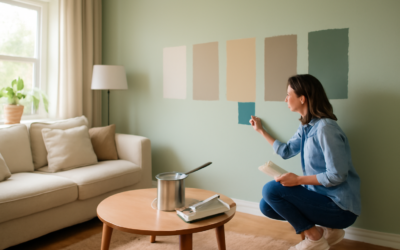
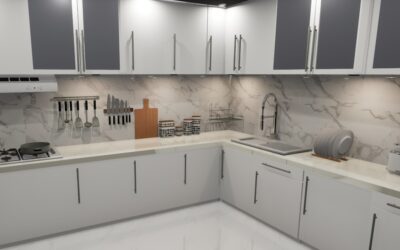
Getting your walls and floors to work together is the single most impactful design decision in any room. The right combination creates visual harmony, makes spaces feel larger or cozier, and increases your home’s resale value by 3–5%. The wrong pairing creates visual tension that no amount of furniture or decor can fix. This guide covers the proven color rules, material pairings, and room-specific strategies that interior designers rely on in 2026.
Color Coordination Rules
Professional designers follow a few foundational principles when coordinating walls and floors. These rules work regardless of style, budget, or room size:
The 60-30-10 Rule
In any room, 60% of the visual space should be a dominant color (usually walls and large furniture), 30% a secondary color (floors, rugs, curtains), and 10% an accent color (pillows, art, accessories). This ratio creates a balanced, cohesive look.
Contrast Is Key
Light walls pair best with medium to dark floors, and dark walls pair best with light to medium floors. Matching the exact tone of your walls and floors creates a flat, monotonous look. Aim for at least 2–3 shades of difference on a light-to-dark scale.
Undertone Matching
Every color has an undertone — warm (yellow, red, orange) or cool (blue, green, gray). The most common design mistake is pairing warm-toned floors with cool-toned walls. For example, honey oak floors (warm undertone) clash with blue-gray walls (cool undertone). Match undertones for cohesion:
| Floor Undertone | Compatible Wall Colors | Avoid |
|---|---|---|
| Warm (honey, amber, red) | Cream, beige, warm gray, sage green, terracotta | Blue-gray, cool white, lavender |
| Cool (ash, gray, ebony) | Cool white, blue-gray, soft blue, cool green, charcoal | Warm beige, golden yellow, terracotta |
| Neutral (natural oak, greige) | Almost any color — the most versatile option | Nothing specific, but avoid extreme warm/cool tones |
Most Popular Wall and Floor Combinations
Based on 2026 interior design trends and real estate data, these are the most popular and highest-performing wall and floor combinations:
| Combination | Style | Best Rooms | Resale Impact |
|---|---|---|---|
| White walls + natural oak floors | Scandinavian, Modern | Living room, bedroom | +4–5% |
| Warm gray walls + dark walnut floors | Transitional, Contemporary | Living room, dining room | +3–4% |
| Sage green walls + light maple floors | Organic Modern, Farmhouse | Bedroom, home office | +2–3% |
| Navy accent wall + white oak floors | Coastal, Nautical | Living room, bedroom | +2–3% |
| Cream walls + porcelain tile (wood look) | Mediterranean, Transitional | Kitchen, bathroom | +3–4% |
| Charcoal walls + light gray LVP | Industrial, Urban | Home office, media room | +1–2% |
| Soft white walls + large-format gray tile | Modern Minimalist | Bathroom, kitchen | +3–4% |
Material Pairing Guide
Hardwood Floors + Painted Drywall
The classic combination. Hardwood floors provide warmth and texture while painted drywall offers unlimited color flexibility. Best for living rooms, bedrooms, and dining rooms. Average cost: $8–$15 per sq ft for floors, $1.50–$3.50 per sq ft for painting. For specialized care, see our guide to the best vacuum for hardwood floors.
Luxury Vinyl Plank + Shiplap or Board and Batten
LVP provides waterproof durability while textured wall treatments add visual interest. This combination works beautifully in bathrooms, laundry rooms, and mudrooms where moisture resistance matters on both surfaces. Average cost: $4–$8 per sq ft for LVP, $5–$12 per sq ft for wall treatment.
Porcelain Tile Floors + Ceramic Tile Walls
Ideal for bathrooms and kitchens. Using tile on both surfaces creates a spa-like continuity. Pro tip: use a larger format tile on the floor (12×24 or 24×24) and a different size on the walls (3×12 subway or mosaic) to create visual distinction. For more on tile options, read our kota stone flooring guide.
Carpet + Textured Paint or Wallpaper
Carpet and textured walls create the warmest, coziest rooms. Best for bedrooms and family rooms. Choose a low-pile carpet in a neutral tone and pair with a subtle wall texture (grasscloth, linen wallpaper, or a warm paint with eggshell finish).
Concrete or Polished Concrete + Exposed Brick
The ultimate industrial pairing. Works in lofts, basements, and modern open-plan spaces. Soften the look with area rugs and warm lighting. Average cost: $3–$8 per sq ft for polished concrete, $10–$28 per sq ft for exposed brick (or $0 if original).
Best Walls and Floors by Room
Living Room
The living room is your home’s showcase. Hardwood or LVP floors in medium tones paired with light-neutral walls give you the most flexibility to change decor over time. Avoid very dark floors in living rooms under 200 sq ft — they make the space feel smaller.
Kitchen
Kitchens need durable, moisture-resistant materials. Porcelain tile, LVP, or sealed hardwood for floors. Backsplash tile or moisture-resistant paint for walls. The most popular 2026 kitchen combination is white or off-white walls with a wood-look porcelain tile floor in a warm gray tone.
Bathroom
Both walls and floors must handle daily moisture. Porcelain or ceramic tile on both surfaces is the safest choice. Large-format floor tiles (fewer grout lines = less maintenance) with a contrasting wall tile create designer-level results. Budget option: LVP floor with moisture-resistant paint on walls.
Bedroom
Comfort and warmth take priority. Carpet or hardwood (with area rugs) for floors. Calming colors on walls — soft blues, greens, warm whites, or muted lavender. Avoid high-contrast combinations that create visual stimulation, which can disrupt sleep quality.
Home Office
LVP or hardwood floors for rolling desk chairs (carpet fibers catch wheels and wear prematurely). Neutral or deep-toned walls create focus without distraction. A navy or forest green accent wall behind the desk adds sophistication to video call backgrounds.
2026 Wall and Floor Trends
- Warm minimalism — White walls with warm-toned natural wood floors continue to dominate. Think white oak, European beech, and light maple.
- Curved accent walls — Arched niches and curved drywall features paired with herringbone flooring add organic flow.
- Micro-cement — A thin cement coating applied over existing walls and floors creates a seamless, industrial-modern look. Average cost: $12–$20 per sq ft installed.
- Biophilic design — Natural stone floors (travertine, slate) paired with textured plaster walls and integrated planters.
- Bold floor tiles — Patterned encaustic cement tiles on bathroom and entryway floors paired with simple white walls let the floor be the statement piece.
- Limewash paint — This chalky, matte finish on walls adds organic texture and pairs beautifully with wide-plank hardwood floors.
Tips for Small Spaces
Coordinating walls and floors in small rooms requires extra attention to visual weight and light:
- Use light colors on both surfaces — Light walls and light floors reflect more light, making rooms feel 15–20% larger than they are.
- Run flooring continuously — Using the same floor throughout connected rooms eliminates visual breaks and creates the illusion of more space.
- Choose large-format tiles — Fewer grout lines mean fewer visual interruptions. A 24×24 tile makes a small bathroom feel bigger than a 12×12 tile.
- Keep wall colors consistent — Painting every wall the same color removes visual boundaries between surfaces.
- Skip heavy baseboards — Thin, flush baseboards (or none at all) reduce the visual separation between wall and floor.
Cost Breakdown: Walls and Floors Renovation
| Project | DIY Cost per Sq Ft | Professional Cost per Sq Ft |
|---|---|---|
| Interior painting (walls) | $0.50–$1.50 | $2.00–$4.50 |
| Wallpaper installation | $1.50–$5.00 | $4.00–$10.00 |
| Hardwood flooring | $5.00–$10.00 | $8.00–$16.00 |
| LVP flooring | $2.50–$5.00 | $4.00–$8.00 |
| Porcelain tile flooring | $3.00–$7.00 | $7.00–$15.00 |
| Carpet installation | $1.50–$4.00 | $3.50–$8.00 |
| Shiplap/board and batten | $3.00–$6.00 | $5.00–$12.00 |
For a typical 1,500 sq ft home with 2,400 sq ft of wall space, a full walls and floors renovation costs $12,000–$35,000 professionally or $6,000–$18,000 as a DIY project.
Common Mistakes to Avoid
- Choosing floors and paint separately — Always bring floor samples to the paint store (or vice versa) and view them together under the room’s actual lighting.
- Ignoring lighting — Colors shift dramatically under different light. A warm beige wall may look pink under cool LED bulbs. Test paint samples on the wall for 48 hours before committing.
- Matching too closely — Walls and floors that are the same color and tone look like a design mistake, not a choice. Always create some contrast.
- Following trends blindly — Trendy combinations (like all-gray everything from 2018–2022) date quickly. Stick with classic pairings and add trends through easily changed elements like paint and accessories.
- Forgetting transitions — Where two different floors meet (e.g., tile to hardwood), use a proper transition strip that complements both surfaces. Poor transitions ruin otherwise beautiful rooms.
Frequently Asked Questions
Should floors be lighter or darker than walls?
Either can work, but the most universally appealing approach is medium-toned floors with lighter walls. This grounds the room visually while keeping it bright and open. Dark floors with light walls create drama and elegance but show dust and pet hair more readily.
Should all floors in a house match?
Not necessarily, but connected rooms that are visible from one another should use the same flooring for visual continuity. Bedrooms, bathrooms, and separated rooms can use different materials. Limit your home to no more than 2–3 flooring types total for a cohesive feel.
What wall color goes with gray floors?
Gray floors have cool undertones and pair best with crisp white, soft blue-gray, warm greige (gray-beige), or sage green walls. Avoid warm yellows, oranges, and reds, which clash with gray’s cool base.
How do I match walls and floors if I am renting?
Since you cannot change the floors, work with what you have. Identify your floor’s undertone and choose removable wallpaper, peel-and-stick tiles, or area rugs that bridge the gap. Large rugs can cover unappealing floors while adding the color palette you want.
Is it better to install floors or paint walls first?
Paint the walls first, then install floors. Paint splatters on subfloor are invisible, but paint on new hardwood or tile is a headache. If floors are already installed, protect them with drop cloths and painter’s tape along the baseboards.
What is the most timeless wall and floor combination?
White or off-white walls with medium-toned natural hardwood (white oak, hickory, or maple) has remained popular for over 30 years and shows no signs of declining. It works with every furniture style, is easy to maintain, and appeals to the widest range of buyers at resale.
Last updated: March 2026
Prefer to explore on your own?
See how new flooring looks in your actual room in seconds — free, no signup.
Try the free Floor Studio →