
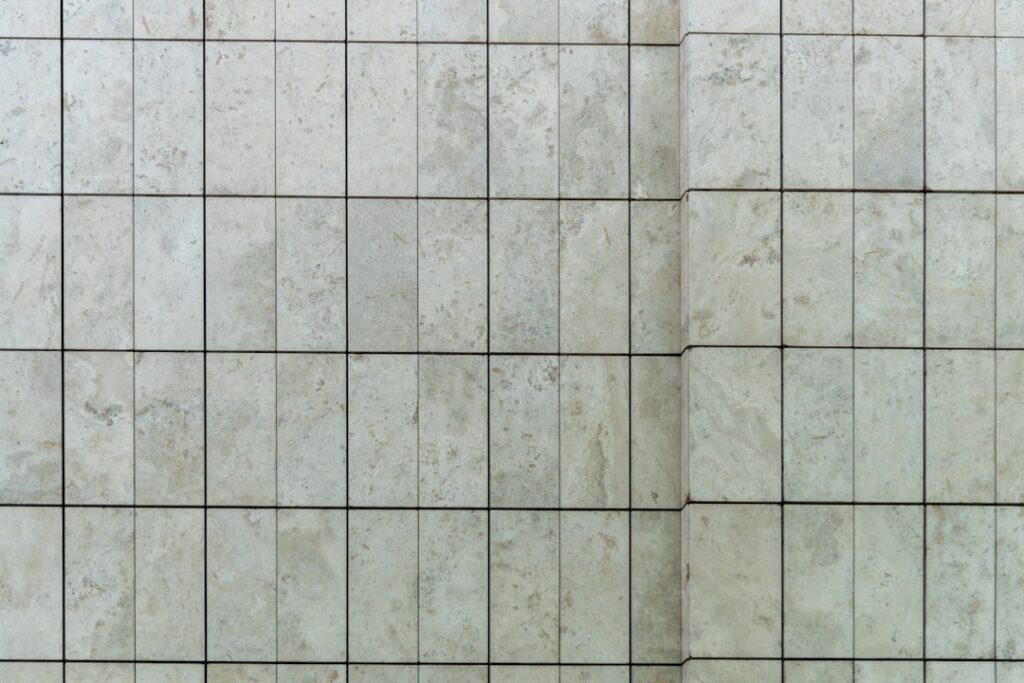
The fastest way to make a bathroom feel expensive is to get the tile pairing right, and the fastest way to make it feel busy and dated is to get it wrong. Great bathroom tile combinations balance floor, wall, and accent tile so no single element fights for attention. The secret is not picking three tiles you love individually. It is choosing tiles that share a common thread while contrasting in the right places.
Part of our Bathroom Remodeling & Flooring guide — explore the full guide →
Start With the 60-30-10 Rule
Designers borrow this proportion trick from interior design and it works perfectly for tile. Roughly 60 percent of your visible surface should be a dominant, quiet tile. About 30 percent is a secondary supporting tile, and the final 10 percent is your accent or feature. In a bathroom that usually means large-format floor and main wall tile as the 60, a shower surround or wainscot as the 30, and a mosaic strip, niche, or focal wall as the 10.
Skip this balance and every surface competes. When three bold patterns all shout at once, the eye has nowhere to rest and the room reads chaotic even if each tile is beautiful.
Pairing Floor and Wall Tile
The classic move is a large-format floor tile with a smaller wall tile, or the reverse. Contrast in scale keeps things interesting without clashing. A 12-by-24-inch porcelain floor pairs cleanly with a 3-by-6-inch subway wall, because the size difference does the visual work while a shared color keeps them related.
- Match undertone, vary format: a warm gray floor with a warm white wall tile always reads intentional
- Continue floor tile up the shower: running the same tile from floor into the shower base makes a small bath feel larger
- Ground with darker floors: a mid-to-dark floor anchors lighter walls and hides everyday grime
Mixing Color the Smart Way
You do not need a rainbow. The most sophisticated bathroom tile combinations lean on one dominant neutral plus one accent color, or on a tonal palette that stays in the same family. Think soft greige walls, a charcoal floor, and a single band of deep green zellige at the niche.
If you want color, keep the large fields neutral and let the small-area accent carry it. A white subway surround with a cobalt blue mosaic floor feels crisp and deliberate. Flip those proportions and cobalt everywhere would overwhelm a small room. When in doubt, pull colors from a single material you already love, like a marble threshold or a favorite stone, and let those undertones guide every other choice.
Playing With Texture and Finish
Color is only half the story. Mixing texture adds depth even in an all-white bathroom. A glossy subway wall against a matte hex floor creates quiet contrast that photographs beautifully. Handmade tiles with a wavy glaze, fluted ceramic, or a stacked-stone accent bring tactile interest that flat tile cannot.
Just balance the finishes. Glossy tile bounces light and suits walls; matte and honed tile hide water spots and grip better underfoot, which makes it the safer floor choice. A good rule: shiny up high, matte down low.
Creating a Focal Wall or Feature
Every well-designed bathroom needs one moment that draws the eye. Reserve your boldest tile for a single focal point rather than spreading it thin. Popular choices include the shower back wall, the wall behind a freestanding tub, or the vanity backsplash.
- Vertical stack or herringbone layout on the shower wall for movement
- A patterned encaustic-look tile framed inside an otherwise plain surround
- A full-height niche lined in mosaic or a contrasting color
Keep everything else calm around that feature so it can breathe. A focal wall only reads as special when the surrounding tile stays understated.
Common Combinations That Never Miss
If you want proven pairings, these hold up across styles and resale:
- White subway walls + gray hex floor: timeless, bright, and budget-friendly
- Marble-look large format + brass fixtures + a mosaic niche: spa-like and modern
- Wood-look plank floor + soft matte white wall + black accents: warm and contemporary
- Green zellige surround + terracotta hex floor: earthy, characterful, on-trend
Mistakes to Avoid
Do not match grout to every tile the same way; a contrasting grout can define a pattern or a matching grout can quiet it, so choose deliberately. Avoid combining more than three tile patterns in one room. And always order samples and view them under your actual bathroom lighting, because showroom light lies about undertone.
Matching Combinations to Your Bathroom Size
The size of the room should steer your tile pairing as much as your taste does. What looks stunning in a spacious primary bath can overwhelm a tiny powder room, so scale your choices to the space.
In a small bathroom, lean toward larger tiles and fewer grout lines, since busy small mosaics everywhere make a compact room feel even more cramped. A large-format floor that continues up into the shower visually expands the footprint, and keeping walls light bounces the limited light around. Save your one bold accent for a single focal point like the vanity wall.
Larger bathrooms give you room to play. You can introduce more contrast, a patterned floor, a dramatic feature wall, and a distinct shower treatment, without the room feeling chaotic, because there is enough visual breathing space between elements. Zoning also helps: use one combination for the wet shower area and a complementary one for the vanity zone to define the spaces.
Coordinating Grout and Trim
Tile gets all the attention, but grout and trim quietly make or break the finished look. Grout color can either unify a combination or highlight the pattern, and choosing it deliberately is part of the design, not an afterthought.
- Matching grout makes tile read as a seamless field, ideal for a calm, expansive feel
- Contrasting grout emphasizes shape and layout, perfect for showing off a herringbone or hex pattern
- Mid-tone gray grout is the safe universal choice, hiding grime while staying neutral
Do not forget transitions and edges. Metal trim profiles, bullnose tiles, and pencil liners give your combination a polished finish where materials meet. A slim brass or matte-black edge strip between two tile fields can tie the whole palette together and signals a professional, intentional install rather than a builder-grade afterthought.
The Bottom Line
The best bathroom tile combinations come from restraint, not variety. Anchor the room with a quiet dominant tile, support it with a related secondary, and spend your drama on one focal accent. Respect proportion, keep undertones consistent, and mix scale and texture instead of piling on color. Do that, and your bathroom will look designed rather than decorated.
Prefer to explore on your own?
See how new flooring looks in your actual room in seconds — free, no signup.
Try the free Floor Studio →

