Pick the wrong tile size and a small bathroom can feel even smaller, while a giant tile in a tight shower can look clumsy and waste material. Understanding bathroom tile sizes is the key to a space that looks balanced, drains properly, and is easy to maintain. From tiny mosaics to oversized planks, each size has a job it does best. This guide walks through the common dimensions, where each one shines, and how to match tile size to your room, budget, and style.
Part of our Bathroom Remodeling & Flooring guide — explore the full guide →
The Common Bathroom Tile Sizes
Tiles come in a wide range of formats, and most bathrooms use two or three sizes together. Knowing the standard options helps you mix them intentionally rather than by accident.
- Mosaic: 1 x 1 in. up to 2 x 2 in., often sheet-mounted
- Subway: 3 x 6 in., the timeless wall classic
- Standard field tile: 4 x 4 in., 6 x 6 in., 8 x 8 in.
- Large format: 12 x 24 in., 18 x 18 in., 24 x 24 in.
- Plank tile: 6 x 24 in., 8 x 48 in. (wood-look)
- Slab tile: 24 x 48 in. and larger panels
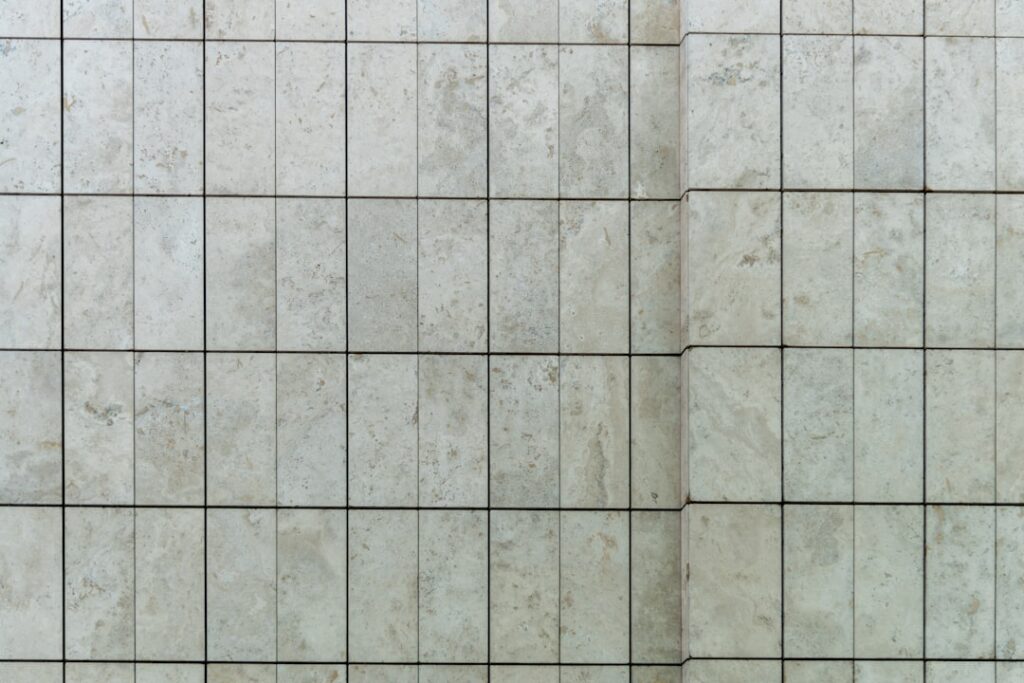
Any tile with at least one side of 15 inches or more is generally considered large-format, which affects how it is installed and the mortar required.
Best Sizes for Bathroom Floors
Floor tile needs traction, easy cleaning, and proper drainage near the shower. Large-format tiles such as 12 x 24 inches are extremely popular for bathroom floors because they create fewer grout lines, which makes the floor look cleaner and more spacious while reducing maintenance.
In a small bathroom, large tiles can actually make the room feel bigger by minimizing visual clutter. The exception is the shower floor, where smaller tiles or mosaics are preferred because the extra grout lines provide grip and the small pieces conform to the slope needed for drainage.
Best Sizes for Bathroom Walls
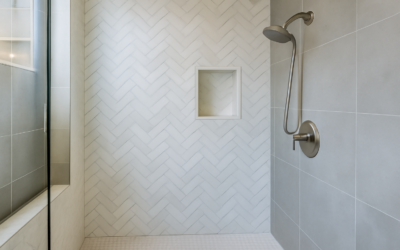
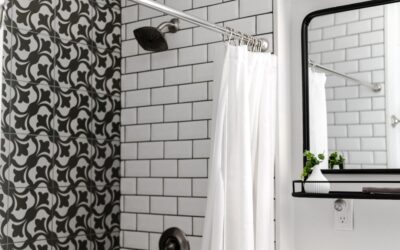
Walls offer more freedom since they do not bear traffic or need slope. Subway tile at 3 x 6 inches remains a favorite for its clean, versatile look, and it works in nearly any style from classic to modern. For a more contemporary feel, large-format wall tiles of 12 x 24 inches or bigger create a sleek, seamless backdrop with minimal grout.
Vertical stacking and various layouts let you stretch the perception of height or width. Running rectangular tile vertically draws the eye up and makes a low-ceiling bath feel taller, while a horizontal run can widen a narrow room.
Shower Floors and Niches
The shower floor is a special case. Because the floor must slope toward the drain, small tiles or mosaics, typically 2 x 2 inches or smaller, are the right choice. The numerous grout lines also add slip resistance underfoot, which matters most where the floor stays wet.
For shower niches and accent bands, mosaics and smaller tiles add texture and a focal point. Many designers use the same large-format tile on the shower walls as the surrounding bath, then switch to a coordinating mosaic on the shower floor and inside the niche for contrast and grip.
Choosing Size by Room Size
Small Bathrooms
Contrary to old advice, large tiles often work beautifully in small bathrooms because they reduce grout lines and visual breaks, making the floor read as one continuous surface. A 12 x 24 inch floor tile and large wall tiles can make a powder room feel surprisingly open. Reserve mosaics for accents only, since covering a small room in tiny tile can look busy.
Large Bathrooms
Spacious bathrooms can handle the most dramatic formats, including 24 x 24 inch tiles or large slabs. These big tiles suit the scale of the room and create a luxurious, gallery-like feel. You have the room to mix a large floor tile with a textured accent wall without overwhelming the space.
How Tile Size Affects Cost and Installation
Tile size influences both labor and material waste. Large-format tiles cover more area per piece, which can speed installation, but they demand a very flat substrate and a special large-and-heavy-tile mortar to prevent lippage, where edges sit unevenly. That can raise labor costs if your floor needs leveling first.
- Mosaics: higher labor due to many pieces and grout lines
- Large format: faster coverage but needs flat substrate and special mortar
- Standard sizes: the most forgiving and budget-friendly to install
Always buy 10 to 15 percent extra tile to cover cuts, breakage, and future repairs, and more for diagonal or intricate layouts.
Mixing Sizes for a Designer Look
The most polished bathrooms rarely use a single tile size. A common, professional approach pairs a large-format floor and wall tile with a small mosaic on the shower floor and in a niche. This contrast adds depth, defines zones, and provides the grip and drainage where you need it without sacrificing the clean look elsewhere.
Keep your palette cohesive by repeating colors or finishes across sizes. When the tones relate, mixing a 12 x 24 inch wall tile with a 2 x 2 inch floor mosaic feels intentional rather than chaotic.
Grout Lines and Tile Size
Tile size and grout go hand in hand, and the relationship affects both looks and upkeep. Larger tiles mean fewer grout lines, which translates to a cleaner appearance and less grout to scrub and reseal over the years. That is a big reason large-format tile has become so popular in bathrooms where moisture and soap scum challenge grout.
Mosaics and small tiles, by contrast, create many grout joints. On a shower floor that is a feature, since the grout adds grip, but across a large wall it means more maintenance. Choosing a grout color close to the tile minimizes the visual impact of those lines, while a contrasting grout emphasizes the pattern. Factor your tolerance for grout cleaning into your size decision, not just the look you want on day one.
Final Tips for Picking Bathroom Tile Sizes
Start with function, then style. Use larger tiles on floors and walls to open up the space and cut maintenance, switch to small tiles and mosaics on shower floors for slope and grip, and add mosaics as accents to bring in personality. Order samples and lay them out in your actual bathroom under real lighting before committing.
Get your bathroom tile sizes right and the room will feel balanced, drain correctly, and stay easy to clean for years. Match the tile to the task, keep your palette unified, and you will have a bathroom that looks custom rather than accidental.
Prefer to explore on your own?
See how new flooring looks in your actual room in seconds — free, no signup.
Try the free Floor Studio →