The shower is the one place in a home where tile does double duty, protecting the walls from water while setting the entire bathroom’s style. The right shower tile designs can make a cramped bathroom feel like a spa, while a poorly planned layout can make even expensive tile look dated. From classic subway patterns to bold geometric accents, the choices are wider than ever. This guide walks through popular designs, layout tricks, and the practical considerations that keep a beautiful shower functional for decades.
Part of our Bathroom Remodeling & Flooring guide — explore the full guide →
- Classic and Timeless Designs
- Modern and Statement Layouts
- Using Accents and Niches
- Shower Floor Considerations
- Grout and Color Strategy
- Choosing the Right Material
- Tile Size and How It Affects the Space
- Coordinating With the Rest of the Bathroom
- Maintenance-Friendly Choices
- Cost Expectations
- Designs for Small Showers
- Trends Worth Considering
- Final Thoughts
Classic and Timeless Designs
Some patterns never go out of style, which makes them safe bets for resale.
- Subway tile: The 3×6 rectangle laid in a brick pattern is endlessly popular, clean, and affordable.
- White on white: All-white tile with contrasting grout reads bright and timeless.
- Marble look: Large-format porcelain that mimics marble gives luxury without the maintenance.
- Hexagon tile: Small hex mosaics, often on shower floors, add subtle vintage charm.
These designs photograph well, suit nearly any decor, and tend to hold their appeal far longer than trend-driven choices.
Modern and Statement Layouts
If you want the shower to make an impression, layout and pattern do the heavy lifting.
- Vertical stack: Stacking rectangular tiles vertically draws the eye upward and makes ceilings feel higher.
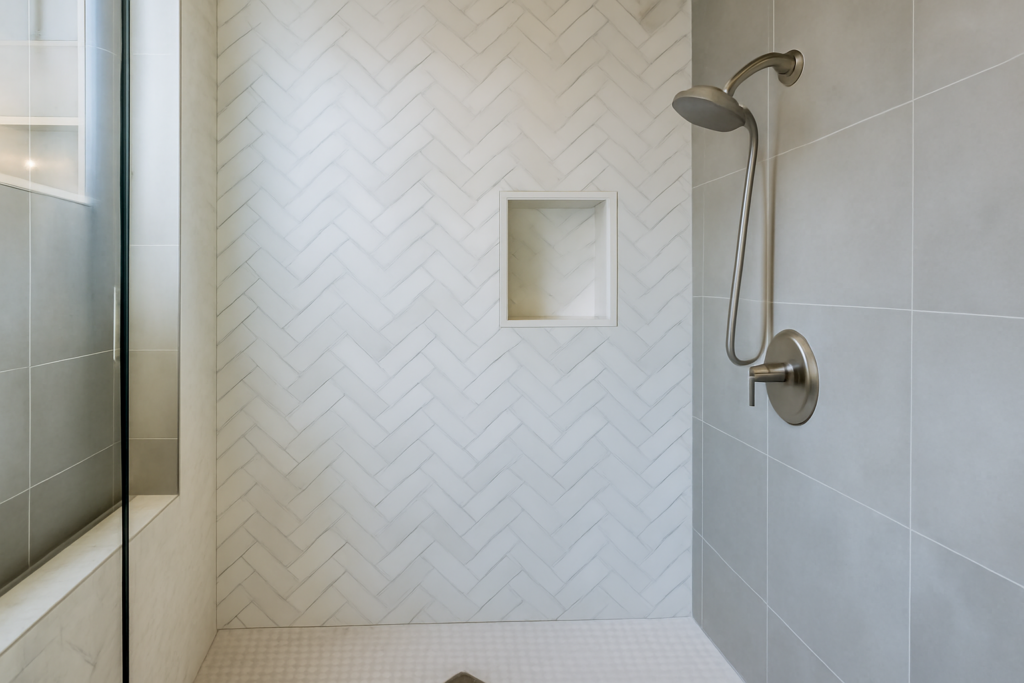
- Herringbone and chevron: Angled patterns add movement and a tailored, custom feel.
- Large-format slabs: Big tiles minimize grout lines for a sleek, low-maintenance modern look.
- Bold accent walls: A single feature wall in colorful, patterned, or textured tile creates a focal point without overwhelming the space.
Using Accents and Niches
A built-in niche is both practical and a design opportunity. Line it with a contrasting tile, a mosaic, or a metallic accent to turn storage into a feature. A horizontal accent band at eye level, or a vertical strip of mosaic, breaks up large fields of plain tile and adds personality without the cost of tiling the whole shower in a premium product. Keep accents to one or two per shower so the design feels intentional rather than busy.
Shower Floor Considerations
The floor has different demands than the walls. It needs slip resistance and the ability to slope toward the drain. Small tiles and mosaics work well here because the abundant grout lines provide grip and the small pieces conform to the slope. Popular floor choices include penny-round mosaics, hex tiles, and pebble tile. Whatever you choose, look for a textured or matte surface rather than slick polished tile underfoot.
Grout and Color Strategy
Grout color dramatically changes a design. Matching grout creates a seamless, monolithic look that emphasizes the tile shape subtly, while contrasting grout highlights the pattern and geometry, as with white subway tile and dark grout. In wet showers, choose a quality grout and consider sealing it or using an epoxy grout for better stain and mildew resistance. Lighter grout shows mildew faster, so mid-tone grout is often a smart, low-maintenance compromise.
Choosing the Right Material
Material affects both looks and longevity in a wet environment.
- Porcelain: Dense, water resistant, and durable; the best all-around shower tile.
- Ceramic: Affordable and versatile, ideal for walls.
- Glass: Reflects light and adds shimmer, great for accents.
- Natural stone: Beautiful but porous, requiring sealing and acid-free cleaning.
Tile Size and How It Affects the Space
Tile size changes the feel of a shower as much as color does. Large-format tiles, such as 12 by 24 inches or bigger, minimize grout lines for a clean, expansive look that makes a small shower feel larger and is easier to keep clean. Small tiles and mosaics create more texture and pattern but add many grout lines that need more upkeep. A common strategy is large tile on the walls for a sleek, low-maintenance surface, paired with small mosaic tile on the floor for slip resistance. Matching the tile scale to the room size keeps the design balanced.
Coordinating With the Rest of the Bathroom
A shower does not exist in isolation, so coordinate its tile with the floor, vanity, and fixtures. Carrying the same or a complementary tile from the shower onto the bathroom floor creates a seamless, larger feeling, especially in a curbless or walk-in design. Match the metal finish of your shower fixtures, niche trim, and accents to the rest of the room’s hardware. Keep the overall palette cohesive: if the shower is the statement, let the surrounding finishes stay calm so the eye is not overwhelmed.
Maintenance-Friendly Choices
If low upkeep is a priority, let it guide your design. Choose dense porcelain or glazed ceramic over porous natural stone to avoid sealing and acid-sensitive cleaning. Pick large-format wall tile to reduce grout lines, and use a mid-tone or epoxy grout that resists staining and hides mildew better than bright white. A handheld sprayer and a quick squeegee habit after showers cut soap scum dramatically. Designing for easy cleaning from the start means your shower keeps looking new with far less effort over the years.
Cost Expectations
Shower tile material commonly runs $2 to $15 per square foot, with designer and natural stone higher. A full tiled shower’s material cost often lands between $300 and $1,500 depending on size and tile choice, with professional installation adding significantly more because of waterproofing and detail work. Splurging on a small accent while using affordable field tile is a proven way to get a high-end look on a budget.
Designs for Small Showers
A small shower has its own design playbook. Use large-format wall tile in a light color to make the space feel bigger and reduce busy grout lines. Run a single vertical accent strip to draw the eye upward and add height. Keep the floor tile small and slip-resistant but coordinated in tone with the walls so the space reads as one continuous surface. Glass doors instead of a curtain keep the design open and visually expand the room. Restraint pays off here; one accent and a cohesive palette beat several competing patterns in a tight space.
Trends Worth Considering
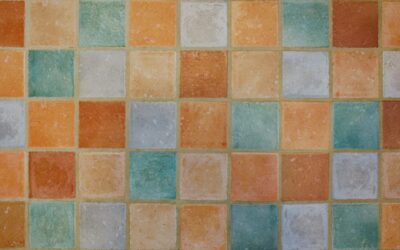
While timeless designs are the safest bet, a few current looks have staying power. Matte and textured finishes are increasingly popular for their understated, spa-like feel and better slip resistance. Earthy, natural-look porcelain that mimics stone and terracotta brings warmth without the maintenance of real stone. Vertical and stacked layouts continue to feel fresh and modern. Mixing two tile sizes or finishes within one shower adds depth. Choose trends that genuinely appeal to you and pair them with a neutral base so the design ages gracefully.
Final Thoughts
Great shower tile designs balance style with the realities of a wet space. Lean on timeless patterns for lasting appeal, use layout and accents to add personality, and never compromise on slip resistance underfoot or proper waterproofing behind the tile. Whether you favor crisp subway tile or a dramatic statement wall, a thoughtful design turns your shower into the standout feature of the bathroom.
Prefer to explore on your own?
See how new flooring looks in your actual room in seconds — free, no signup.
Try the free Floor Studio →