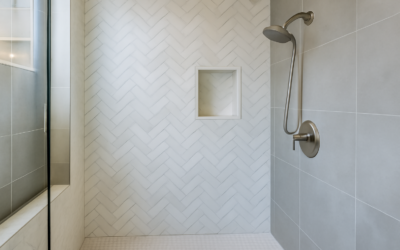
If you love the geometry of a hexagon but want something more elongated and current, a picket tile shower may be exactly the upgrade your bathroom needs. Picket tiles, sometimes called elongated hexagons or pickets after the shape of a fence slat, add crisp, modern movement to shower walls while remaining timeless enough to live with for years. This guide explores the design possibilities, color choices, grout strategies, and practical costs of bringing this stylish shape into your shower.
Part of our Bathroom Remodeling & Flooring guide — explore the full guide →
What Picket Tile Is
A picket tile is a slender, six-sided shape with pointed ends, essentially a hexagon stretched lengthwise so it resembles the top of a picket fence. Set side by side, the tiles create a subtle diamond-and-column rhythm that feels more dynamic than a plain subway layout but more restrained than a busy mosaic. Picket tiles are typically made of ceramic or porcelain, though marble, glass, and other materials exist. Their versatile shape works vertically for height, horizontally for width, or in a running pattern, making them a favorite for shower walls, niches, and accent bands.
Why Choose Picket Tile for a Shower
The shape hits a sweet spot between classic and contemporary. It offers visual interest and texture without overwhelming a small space, and because it is a single repeating tile, it installs more predictably than intricate mosaics. Picket tile also flatters a shower’s proportions: run vertically, it draws the eye upward and makes a low ceiling feel taller; run horizontally, it widens a narrow stall. The shape’s clean lines suit modern, transitional, and even farmhouse bathrooms, and it pairs beautifully with fixtures in matte black, brushed brass, or polished chrome.
Popular Layout Ideas
How you orient and combine picket tile dramatically changes the effect:
- Vertical stacked: Tiles standing upright emphasize height and create a sleek, elongating column effect.
- Horizontal run: Laid on their sides, pickets widen the wall and feel calm and contemporary.
- Accent band: A single horizontal row of contrasting picket tile breaks up a field of subway or large-format tile.
- Full feature wall: Cover the entire back wall of the shower in picket tile as a focal point, keeping side walls simple.
- Niche highlight: Line a recessed shower niche with a bold picket color or material to make it pop.
Color and Material Choices
Picket tile comes in a wide palette, so you can go subtle or bold. Crisp white and soft gray keep the look clean and let the shape provide the interest, which suits most bathrooms. Green, blue, and blush pickets bring color and personality, perfect for a statement wall. Matte finishes read modern and hide water spots, while glossy tiles bounce light and brighten a windowless shower. For a luxurious touch, marble or marble-look picket tile adds natural veining, while glass pickets shimmer and feel spa-like. Matching the metal of your fixtures to the mood, warm brass with cream tones or black with cool grays, ties the whole shower together.
Choosing the Right Grout
Grout is not an afterthought with picket tile; it defines the pattern. A grout that closely matches the tile creates a soft, seamless look where the shape reads as gentle texture. A contrasting grout, such as a light gray against white tile or a dark grout against pale pickets, sharply outlines every point and makes the geometric pattern the main event. For showers specifically, choose a high-quality, stain-resistant grout, and consider epoxy grout in the wettest zones because it resists mold and does not need sealing. Keep grout lines consistent and thin for the cleanest result.
What a Picket Tile Shower Costs
Costs vary with material and the size of the shower. Ceramic and porcelain picket tile typically runs $5 to $15 per square foot, while marble, glass, and designer options can reach $20 to $40 or more per square foot. Because picket tile involves more cuts along the edges and around fixtures than a simple grid, installation labor tends to run a bit higher than basic tile, commonly $10 to $20 per square foot. A full picket tile shower surround, including waterproofing, tile, grout, and labor, often lands in the range of a few thousand dollars depending on size and material. Always budget 15 percent extra tile for cuts and future repairs.
Installation Considerations
A beautiful, lasting picket tile shower starts behind the tile. Keep these points in mind:
- Waterproof first: A proper waterproofing membrane behind the tile is essential to prevent leaks and mold.
- Plan the layout: Decide orientation and where cut tiles will fall so partial pickets land in less visible spots.
- Mind the angles: The pointed ends require careful cutting around niches, corners, and edges, so a skilled installer pays off.
- Use spacers: Consistent spacing keeps the diamond rhythm crisp and even.
- Slope the floor: The shower floor must slope to the drain, so many people pair picket walls with a mosaic or small-format floor tile for grip.
Care and Maintenance
A picket tile shower is easy to live with. Squeegee the walls after showering to reduce water spots and soap film, and clean periodically with a mild, non-abrasive bathroom cleaner. Because there is more grout in a picket pattern than in large-format tile, keeping grout sealed, unless you used epoxy grout, helps prevent staining and mildew. Address any mold promptly with a gentle cleaner, and avoid harsh acids on natural stone pickets, which can etch. With minimal routine care, the shower will keep its crisp geometric appeal for many years.
Coordinating the Rest of the Bathroom
A picket tile shower rarely exists in isolation, so thinking about how it relates to the rest of the room keeps the design cohesive. One reliable approach is to let the picket tile be the shower’s statement and keep the surrounding surfaces calmer. For example, a bold green or blue picket wall in the shower pairs beautifully with simple white or neutral floor tile and a clean vanity, so the eye lands on the shower without the room feeling chaotic. If your pickets are a soft white or gray, you have more freedom to add color and pattern elsewhere, such as a patterned floor tile or a vivid vanity.
Fixtures and hardware tie everything together. Matte black faucets, frames, and accessories give a crisp, modern edge against pale pickets, while brushed brass or champagne bronze brings warmth that flatters cream, green, and blush tones. Carrying that same metal finish through the shower door, towel bars, and lighting creates a polished, intentional look. Flooring is another consideration: because a shower floor must slope to the drain and needs traction, many designers pair picket walls with a small-format mosaic or penny-round floor that provides grip and a subtle complementary texture. You can even continue the picket tile onto a bathroom accent wall or behind the vanity to echo the shower and unify the space. The goal throughout is balance. Pick one or two elements to be bold, keep the rest supportive, and repeat your metal and color choices so the picket tile shower feels like part of a considered whole rather than a standalone feature competing with everything around it.
Final Thoughts
A picket tile shower brings just the right amount of geometry to a bathroom, blending the timeless appeal of a classic tile shape with a fresh, modern edge. By choosing an orientation that flatters your space, selecting a color and finish that match your style, and using grout thoughtfully to emphasize or soften the pattern, you can create a shower that feels custom and current. Invest in proper waterproofing and a careful installation, and your picket tile shower will reward you with a beautiful, low-maintenance focal point for years to come.
Prefer to explore on your own?
See how new flooring looks in your actual room in seconds — free, no signup.
Try the free Floor Studio →