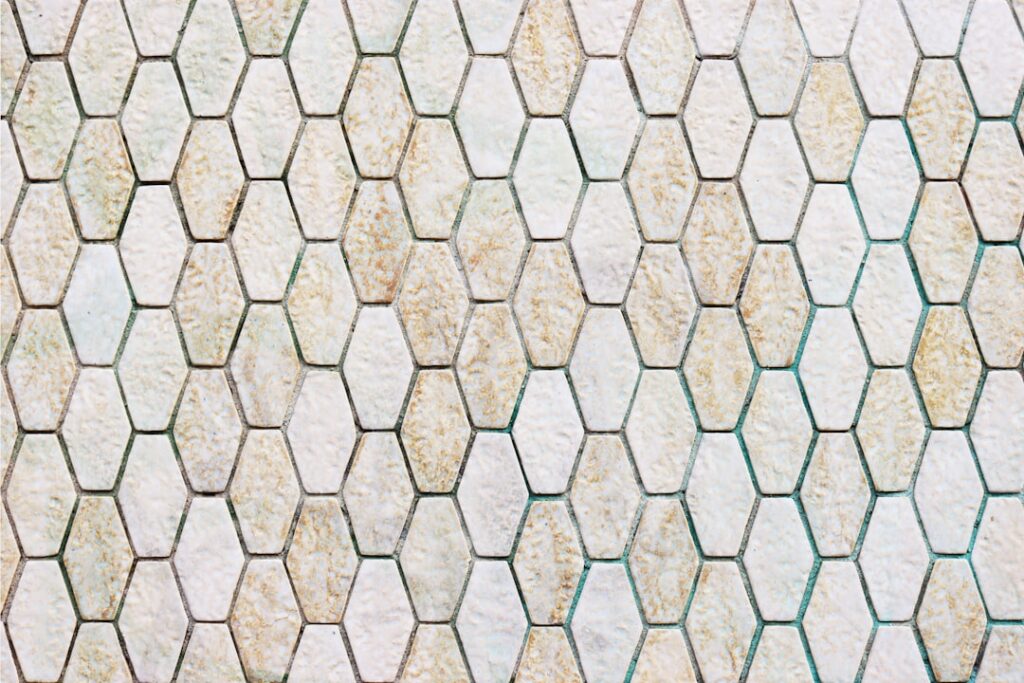
If you want a backsplash that feels fresh without veering into trendy territory, a picket tile backsplash hits the sweet spot. Picket tile, sometimes called an elongated or stretched hexagon, has the pointed ends of a classic hexagon but a longer, leaner body that resembles a wooden picket fence slat. The result is a backsplash with subtle geometric interest that reads as both modern and timeless. This guide covers picket tile layouts, color and finish choices, costs, and what to know before you install one.
Part of our Kitchen Remodeling guide — explore the full guide →
What Makes Picket Tile Distinctive
Picket tile takes the familiar hexagon and stretches it into an elongated shape with two pointed ends and longer straight sides. That shape gives a backsplash gentle movement and dimension that flat subway tile cannot, while still feeling clean and architectural. Because the tiles interlock at their points, the finished wall has a rhythmic, almost woven appearance. The look is versatile enough to suit modern, transitional, farmhouse, and even classic kitchens depending on the color and grout you choose.
Popular Layout Orientations
Picket tile changes character dramatically with orientation:
- Vertical (standing): Tiles point up and down, drawing the eye upward and making ceilings feel taller. This is the most common kitchen layout.
- Horizontal (lying down): Tiles run sideways, widening the visual space and giving a more relaxed, contemporary feel.
- Herringbone or angled: A more intricate look for a statement wall, though it requires more cutting and skill.
Stand a few sample tiles against the wall in both directions before deciding, because the same tile can feel completely different depending on its orientation.
Color, Finish, and Grout Choices
The shape is the star, so many homeowners keep the color simple. Crisp white and soft off-white picket tile create a bright, classic backsplash, while warm greige, sage green, and deep navy make a bolder statement. Glossy finishes reflect light and feel lively, whereas matte finishes read more sophisticated and hide water spots.
Grout color is a powerful design lever. A matching grout makes the picket shape subtle and elegant, while a contrasting grout, such as gray against white tile, makes every point and angle pop. Think carefully about how much you want the geometry to stand out.
How Much a Picket Tile Backsplash Costs
Picket tile is widely available and reasonably priced. As a general guide:
- Ceramic picket tile: $5 to $15 per square foot.
- Porcelain and glass picket tile: $10 to $25 per square foot.
- Marble and natural stone picket: $15 to $40 per square foot.
Professional installation typically adds $10 to $25 per square foot. A standard kitchen backsplash covers roughly 30 square feet, so total project costs commonly land in the few-hundred to low-thousand-dollar range depending on material and whether you DIY.
Installation Considerations
Picket tile installs much like other tile, but the pointed ends require extra attention at edges and corners. Plan your layout so the focal area, often behind the range or sink, is centered and balanced, then work outward. You will need to cut tiles at the countertop, upper cabinets, and outlets, and the angled ends mean more careful measuring than rectangular tile.
Many picket tiles come in mesh-mounted sheets, which speeds installation and keeps spacing consistent. Use the right thinset and trowel for the tile material, finish exposed edges with a matching trim or bullnose, and choose unsanded grout for narrow joints with glass or polished tile to avoid scratching.
Maintenance and Care
A picket backsplash is easy to live with. Wipe the tile with a mild pH-neutral cleaner to handle everyday cooking splatter, and address grease promptly before it sets. If you used cement grout, seal it after installation and refresh the sealer periodically to keep the lines clean, especially behind the cooktop. Avoid abrasive scrubbing pads on glossy or stone tile. Natural stone picket needs its own stone-safe cleaner and sealer rather than acidic products.
Picket Tile vs. Subway and Hexagon
Homeowners often weigh picket against the two shapes it borrows from. Classic subway tile is the safe, ubiquitous choice, clean and timeless but seen everywhere. A standard hexagon makes a bolder, more obviously geometric statement that can feel busy across a large wall. Picket tile sits between them: more interesting than subway, calmer and more elongated than a full hexagon.
That middle position is its strength. If you love the freshness of a shaped tile but worry that hexagons will feel too trendy or overwhelming, picket gives you distinctive lines that still read as classic. It pairs especially well with kitchens that want a subtle upgrade over the expected subway look without committing to a dramatic pattern. When in doubt, order a sample board of all three and hold them against your cabinets and counters.
Where to Use Picket Tile Beyond the Backsplash
While kitchen backsplashes are the most common use, picket tile shines in plenty of other spots. In bathrooms it makes an elegant shower wall, a tub surround, or an accent strip, and its shape adds interest to an otherwise plain space. A powder room feature wall in picket tile creates a designer moment in a small footprint, and a bathroom floor in a matte porcelain picket brings subtle texture underfoot.
Outside the bath, consider picket tile for a fireplace surround, a laundry-room backsplash, or a built-in bar. The key in every application is matching the tile material to the demands of the space: choose porcelain or glazed ceramic for wet and high-traffic areas, and reserve delicate natural stone for lower-exposure accent walls. Used thoughtfully, the picket shape ties a home together when it echoes from one room to another.
The Bottom Line
A picket tile backsplash brings elongated-hexagon geometry that feels modern yet enduring, adapting to nearly any kitchen or bath style through color, finish, and grout choices. With ceramic options starting around $5 per square foot, it is an affordable way to add character beyond standard subway tile. Test the orientation, choose your grout contrast deliberately, and you will have a distinctive backsplash that stays stylish for years.
Prefer to explore on your own?
See how new flooring looks in your actual room in seconds — free, no signup.
Try the free Floor Studio →