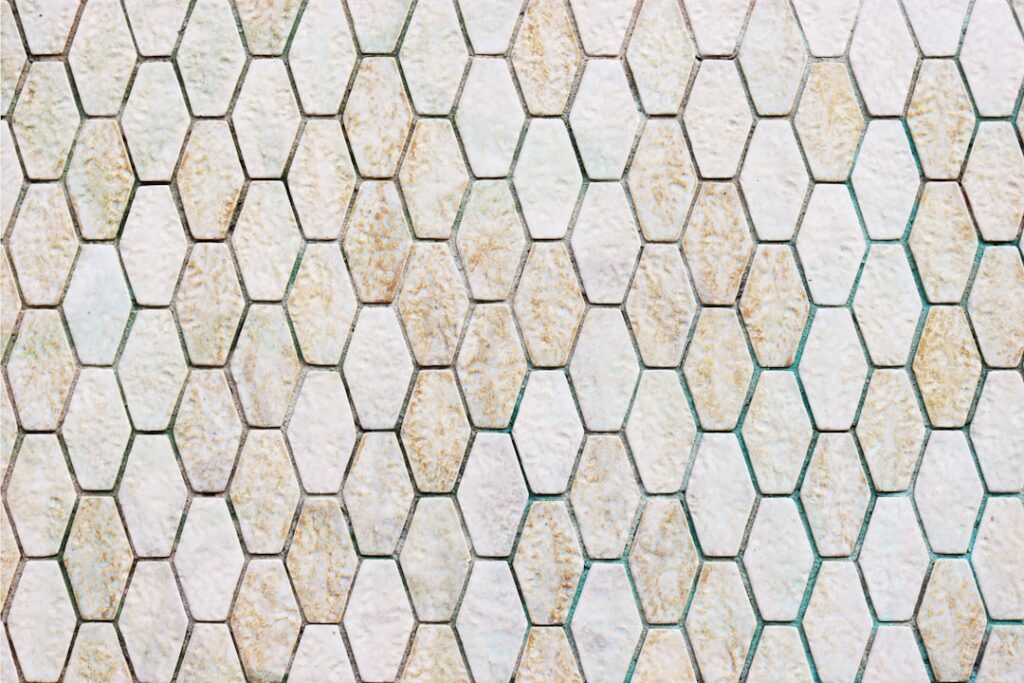
The honeycomb shape has quietly become one of the most requested looks in modern kitchens, and for good reason. A hexagon tile backsplash brings geometric interest that a standard subway grid simply cannot match, while still reading clean enough to work in nearly any style. Six sides give you a layout that feels both retro and contemporary depending on color and finish. If you are weighing this shape for your kitchen or bath, here is everything that matters before the first tile goes up.
Why Choose Hexagon Over Subway
Subway tile is safe and timeless, but it is also everywhere. Hexagons deliver the same easy-to-clean glazed surface with a far more distinctive footprint. The shape draws the eye and adds movement to a wall without loud color or busy pattern.
There is also a practical edge. The angled grout lines of a hex layout disguise minor wall imperfections better than rigid horizontal courses, which can highlight a wall that is even slightly out of level. For older homes with imperfect walls, that forgiveness is genuinely useful.
Common Sizes and Where They Work
Hexagon tiles come in a wide size range, and the scale you choose changes the entire feel of the space.
- 1-inch mini hex: Often sold on mesh sheets, this small mosaic gives a vintage, textured look and works well behind a stove as a focal panel.
- 2 to 4-inch hex: A versatile middle ground that suits most full-wall backsplashes and keeps grout lines manageable.
- 6-inch and larger: Bold, modern, and fast to install, large-format hex makes a strong statement with fewer grout joints to clean.
For a standard backsplash run between counter and upper cabinets, 2 to 4-inch tiles tend to hit the sweet spot of style and ease.
Material Options
The hexagon shape shows up across nearly every tile material, and each brings a different look and price point.
Ceramic and Porcelain
The most budget-friendly and easiest to maintain, glazed ceramic and porcelain hex tiles run roughly $4 to $15 per square foot. Porcelain is denser and slightly more durable, making it a smart pick in busy kitchens.
Marble and Natural Stone
Marble hexagons bring elegant veining but cost more, often $15 to $30 per square foot, and require sealing to resist stains from cooking splatter. Beautiful, but higher maintenance.
Glass and Metal
Glass hex reflects light and brightens a space, while metal or metal-look tiles add an industrial edge. Both shine as accent panels rather than entire walls.
Choosing Color and Finish
Color choice anchors the whole design. Crisp white or soft gray hexagons read clean and timeless, while deep green, navy, or terracotta make the backsplash the room’s centerpiece. A glossy finish bounces light and feels lively; a matte finish looks understated and hides water spots better.
If your countertops and cabinets are busy, let the backsplash stay calm with a single solid tone. If your kitchen is mostly neutral, a hexagon backsplash is the perfect place to introduce color or a subtle two-tone pattern.
Grout Selection Matters
Grout color defines how the hexagon pattern reads. A matching grout blends the tiles into a soft, seamless field, while a contrasting grout makes every six-sided shape pop and emphasizes the geometry.
For backsplashes, use a quality sanded or unsanded grout based on your joint width, and seriously consider an epoxy grout in the splash zone behind a sink or range. Epoxy resists stains, grease, and moisture far better than cement grout, which is a real advantage on a kitchen wall. As a quick guide, use unsanded grout for joints narrower than 1/8 inch, which is typical for tight hex mosaics, and switch to sanded grout for wider joints to prevent shrinkage cracks. Whatever you choose, seal cement grout once it cures and again annually, since unsealed joints behind a stove soak up grease and darken unevenly over time.
Installation Basics
Many hexagon tiles come mesh-mounted in sheets, which speeds installation dramatically and keeps spacing consistent. Even so, the prep work determines the result.
- Start with a clean, flat, dry wall surface and snap level reference lines.
- Apply a thin, even layer of white thinset with a notched trowel, since gray can ghost through lighter tiles.
- Set the sheets, staggering the seams so the mesh joints disappear into the field.
- Press tiles flush and check alignment as you go, adjusting individual hexes before the mortar sets.
- Let it cure, then grout, wipe the haze, and seal if you used stone.
Cutting hexagons around outlets and edges is the trickiest part. A wet saw and a pair of tile nippers handle the angled cuts, and an end profile or pencil trim cleans up exposed edges.
How Much Material to Order
Hexagon backsplashes generate more waste than a straight subway run because the angled edges leave odd offcuts you cannot always reuse. Measure your wall area in square feet, then add a waste allowance: budget about 10 percent extra for a simple full-wall field, and 15 to 20 percent if you have lots of cuts around outlets, windows, and an end cabinet. For mesh-mounted sheets, buy from the same lot or batch number so the glaze color matches exactly, since dye lots can drift between production runs.
A typical backsplash strip runs 18 inches tall between the counter and the upper cabinets. For a standard 10-foot run, that is roughly 15 square feet, so plan on about 17 square feet of tile to cover cuts and a few spares. Keep four or five loose tiles after the job; they are invaluable for a future repair, and an exact match is nearly impossible to source years later.
DIY or Hire a Pro
Mesh-mounted hexagon sheets make this one of the friendlier tile projects for a confident DIYer, and a small backsplash is a realistic weekend job. The honest difficulty is in the cuts. Trimming a clean partial hexagon around an outlet box or along a finished edge takes a wet saw, patience, and a few sacrificed tiles while you find the rhythm. If your wall is small, square, and free of obstructions, doing it yourself can save the $10 to $20 per square foot a tile setter typically charges in labor.
Lean toward a pro when the layout includes natural stone, an unusual focal pattern, or a wall that is visibly out of plumb. Stone hex is less forgiving, shows lippage between tiles, and needs sealing done right. A seasoned installer also dials in the layout so cut tiles land in less visible corners rather than dead center behind the range.
Maintenance and Longevity
Glazed ceramic and porcelain hex wipes clean with mild soap and water, and a well-sealed grout line resists staining for years. Natural stone needs periodic resealing, typically once a year in a kitchen, to keep oils and acids from etching the surface.
A properly installed hexagon tile backsplash is a durable, low-maintenance upgrade that holds its style far longer than trend-driven finishes. Choose the right size, pick a grout that suits your taste, and you will have a backsplash that looks intentional and current for the long haul.
Prefer to explore on your own?
See how new flooring looks in your actual room in seconds — free, no signup.
Try the free Floor Studio →