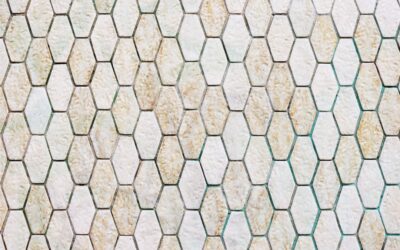
Six-sided tile has jumped from vintage bathrooms to some of the most sought-after floors and walls I install today, and porcelain hexagon tile sits at the center of that revival. It blends a classic honeycomb geometry with the toughness and low water absorption that make porcelain the right material for wet, high-traffic rooms.
Part of our Tile & Grout guide — explore the full guide →
Whether you are eyeing tiny penny-style hexes on a shower floor or dramatic large-format hexagons in an entryway, the choices around size, grout, and slip resistance make a big difference in the result. Here is how I guide homeowners through picking and installing hex tile that looks intentional and holds up for decades.
Why Hexagons, and Why Porcelain
The hexagon shape earns its keep both visually and functionally. Its many angles draw the eye and create a sense of movement no square tile can match, and small hexes conform to slightly domed or sloped surfaces like shower pans better than large rectangles. That is why the format has survived in bathrooms for over a century.
Porcelain adds the performance. Fired to a water absorption rate of 0.5 percent or lower, it shrugs off moisture, resists staining, and survives freeze-thaw cycles that would crack lesser ceramic. Pair the classic shape with a modern material and you get a floor that is equal parts stylish and practical.
Hexagon Sizes and Their Best Uses
Hex tile is measured by the distance across its widest points, and the size you choose changes both the look and the ideal application:
- 1-inch and 2-inch mini hexes: Sold on mesh-backed sheets, these mosaics are perfect for shower floors and pans. The abundant grout lines add crucial slip resistance underfoot.
- 3-inch to 4-inch hexes: A versatile mid-size for bathroom floors, mudrooms, and accent walls, echoing the vintage look at a slightly bolder scale.
- 8-inch and larger hexes: Large-format statement tiles for entryways, kitchens, and feature floors. Fewer grout lines create a clean, contemporary field.
My rule of thumb: the wetter and more sloped the surface, the smaller the hex. Reserve the big 8-inch-plus formats for flat, dry-to-damp floors where their sleek look can shine.
Where Porcelain Hexagon Tile Works Best
Bathrooms are the natural home for hex tile, from small mosaic shower floors to full 3-inch hex floors that read timeless. In a mudroom or entry, a hexagon floor hides dirt between grout lines and stands up to grit tracked in from outside.
On walls, hexagons make a striking kitchen backsplash or bathroom accent, especially in a marble-look or matte solid color. I have also used large-format hexes in laundry rooms and powder baths where a homeowner wanted a distinctive floor without a huge material budget. Because it is porcelain, the same tile can sometimes carry from an interior room out to a covered porch, provided the specific tile is rated frost-resistant.
Choosing the Right Grout
Grout is not an afterthought with hexagons; it defines the pattern. All those extra joints mean grout color dramatically changes the look, so decide early:
- Matching grout (grout close to tile color) softens the honeycomb into a subtle textured field.
- Contrasting grout (dark grout with white tile, for example) makes every hexagon pop and emphasizes the geometry.
For material, I steer clients toward a stain-resistant grout on floors and wet walls. A high-quality cement grout with an added sealer works well, but many pros now prefer single-component or epoxy grouts that resist staining and mildew without separate sealing. Keep grout joints tight, typically 1/16 to 1/8 inch, so the pattern stays crisp.
Slip Resistance and Safety
Because hex tile so often lands in wet rooms, slip resistance deserves real attention. The industry benchmark is the dynamic coefficient of friction (DCOF); look for a rating of 0.42 or higher on any floor that gets wet, such as bathrooms, showers, and entries.
Two factors help you here. First, smaller hexes mean more grout lines per square foot, and grout provides grip, which is exactly why 1-inch and 2-inch mosaics remain the standard for shower pans. Second, choose a matte or textured finish rather than a polished one for floors; save the glossy porcelain for walls where slipping is not a concern.
What It Costs
Porcelain hex pricing tracks with size and finish. As a materials-only guide:
- Basic mosaic sheets (1-inch to 2-inch): $5 to $12 per square foot.
- Mid-size solid-color hexes: $6 to $12 per square foot.
- Large-format and marble-look hexes: $8 to $18 per square foot.
Installation runs higher than for standard square tile because hexagons demand more cutting and layout time; expect $10 to $18 per square foot in labor, sometimes more for intricate mosaic or wall work. A typical 40-square-foot powder room floor commonly totals $700 to $1,300 installed, materials and labor combined.
Installation Pointers
Laying hexagons well takes patience, and a few habits separate a clean job from a wavy one. Keep these in mind whether you hire out or DIY:
- Plan the layout first. Dry-lay tiles or sheets and find a balanced starting line so you avoid awkward slivers at the most visible walls.
- Flatten the substrate. Large-format hexes need a subfloor flat within 1/8 inch over 10 feet; use leveling clips to prevent lippage on the pointed edges.
- Mind the mesh seams. On mosaic sheets, stagger and align edges carefully so the joint between sheets is invisible in the finished honeycomb.
- Cut with the right tool. A wet saw with a fresh porcelain blade gives clean angled cuts; hexagons involve many 60-degree cuts at the perimeter.
- Back-butter large tiles. Spread thinset on the tile back as well as the floor to achieve full coverage under big-format hexes.
Care and Final Thoughts
Maintenance is refreshingly simple. Sweep or vacuum regularly, mop with a pH-neutral cleaner, and reseal cement grout every year or two if you did not use an epoxy or pre-sealed product. The porcelain surface itself needs no sealing.
For homeowners who want a floor with character that also performs in the toughest wet rooms, porcelain hexagon tile is hard to beat. Match the hex size to the surface, choose grout that delivers the look and slip resistance you need, and invest in careful installation. Do that, and you will have a distinctive floor that stays beautiful and safe for 20 years or more.
Design Ideas and Color Choices
Hexagons reward a little creativity. White or marble-look hexes with light gray grout give a bathroom that clean, spa-like feel that never goes out of style. Matte black hexes make a bold powder-room statement, while warm terracotta and sage green tones lean into the current appetite for color. For a nod to the tile’s history, a white-hex field with a scattered black-hex border recreates the classic early-1900s bathroom look at a fraction of the cost of true encaustic tile.
Mixing hex sizes within one project is another designer move worth trying. Large 8-inch hexes on the main floor with a band of 2-inch mosaics defining a shower niche or threshold ties a room together and signals thoughtful design rather than a builder-grade default.
How Porcelain Hex Compares to Other Options
It helps to know the alternatives. Ceramic hexagons cost a bit less but absorb more water and chip more easily, so I reserve them for dry walls rather than wet floors. Natural stone hexes in marble or slate look stunning but need regular sealing and can etch from acidic cleaners, adding maintenance that porcelain avoids entirely.
Then there is the honest trade-off against plain square or subway tile: hexagons cost more to install because of the added cutting and layout time, and all those grout lines mean more grout to keep clean. If you want the lowest-maintenance, lowest-labor floor, large-format squares win. But if character and a distinctive look matter to you, the modest premium for hex tile buys a floor people actually comment on.
Prefer to explore on your own?
See how new flooring looks in your actual room in seconds — free, no signup.
Try the free Floor Studio →