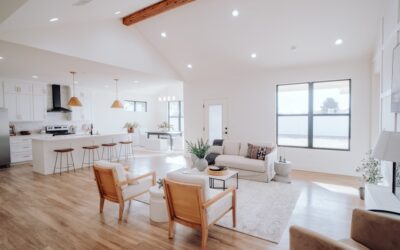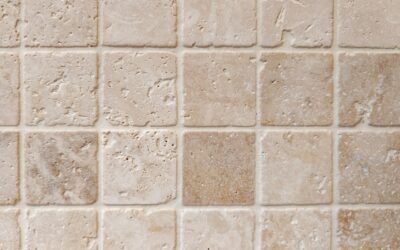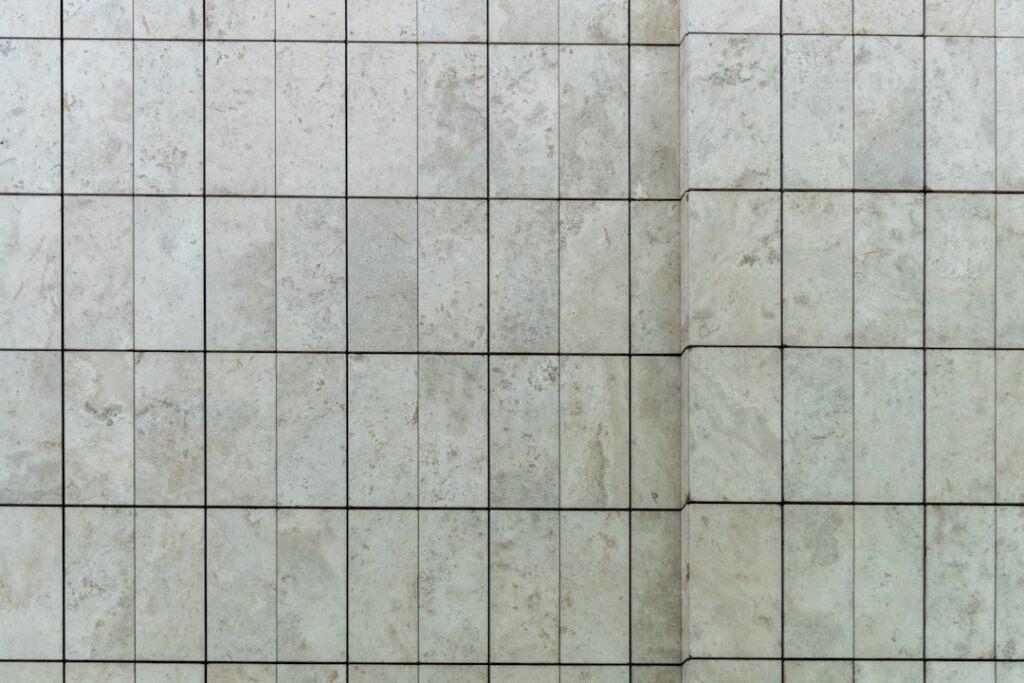
Color trends shift faster in tile than in any other flooring category, which is why the safest design call is to stay neutral. Neutral floor tile in greige, ivory, warm gray, and natural taupe outlasts decade-cycle color fads and pairs with cabinetry, paint, and furniture decisions that will change two or three times over the floor’s service life. Choose the right neutral and you commit once and rebuild around it.
Part of our Tile & Grout guide — explore the full guide →
- What Counts as Neutral
- Why Neutral Floor Tile Wins Long Term
- Material Options at the Neutral Spec
- Sizes That Suit Modern Neutral Installs
- Grout Color Choices
- Where Neutral Floor Tile Works Room by Room
- Subfloor and Install Considerations
- Cost Breakdown for a 400 sq ft Tile Install
- Selecting the Right Neutral for Your Space
What Counts as Neutral
Neutral in 2026 tile design covers four overlapping color families. Greige (gray-beige) sits at the center with undertones that read warm or cool depending on lighting. Ivory and cream cover the lighter end with subtle yellow or pink undertones. Warm gray and taupe shift slightly darker with brown or red undertones. Natural stone-look colors include travertine cream, limestone bisque, and slate charcoal-gray edges.
True white and pure black sit just outside the neutral category — both work as accents but neither holds up as a primary floor color across multi-room installs. Aged warm neutrals also include the soft sand and oat tones that match natural fiber furniture and unbleached linen interiors.
Why Neutral Floor Tile Wins Long Term
- Outlasts trend cycles — neutrals stay design-current across 15 to 25 year remodel windows where bold colors date within 5 to 10 years
- Pairs with any cabinetry — natural oak, painted white, gray-stained, or dark espresso all sit well over greige and taupe tile
- Resale broad appeal — neutral tile in kitchens and bathrooms tests as the top-rated flooring choice with appraisers and buyers
- Hides dirt and dust — mid-tone neutrals disguise the daily soiling that white tile shows immediately
- Flexible for accent layers — area rugs, runners, and bath mats in any color work over neutral tile foundations
Material Options at the Neutral Spec
- Porcelain tile — most affordable and durable, $2.49 to $9.99 per square foot, 0.5% water absorption rating
- Travertine and limestone — natural stone in warm cream and bisque, $5.99 to $14.99 per square foot, requires sealing
- Ceramic tile — entry-level neutrals at $1.49 to $4.99 per square foot, suited for bathrooms and bath-adjacent spaces
- Polished or honed concrete tiles — modern neutral at $4.99 to $11.99 per square foot, requires perimeter expansion gaps
- Large-format porcelain slabs — 24 inch by 48 inch or larger, $4.99 to $13.99 per square foot, minimal grout lines
Sizes That Suit Modern Neutral Installs
Tile sizes have grown significantly over the past decade. Standard 12 by 12 inch tile still works in small bathrooms but reads dated in large kitchens and open-plan floors. The sweet spot for residential 2026 sits at 12 by 24 inch and 18 by 36 inch porcelain plank-look or stone-look tiles. Large-format 24 by 48 inch slabs deliver minimal grout lines and a continuous look across great rooms.
Subway-style 4 by 12 inch rectangular floor tile in matte neutral porcelain works in entryways and laundry rooms where you want a more textural pattern without losing the neutral palette. Hexagons and herringbone patterns in 2 by 6 inch or 4 by 12 inch shapes add geometric interest while keeping the color story calm.
Grout Color Choices
Grout color shifts the perceived tone of the entire floor. Matching grout (within one shade of the tile) creates a seamless visual that emphasizes the tile color. Contrasting grout (two to four shades darker) emphasizes the grid pattern and reads more graphic. Most modern neutral installs use matching or near-matching grout in 1/16 to 1/8 inch joints.
For high-traffic spaces, choose epoxy or urethane grout rather than cementitious. Mapei Flexcolor CQ or Laticrete Spectralock at $0.79 to $1.49 per square foot in grout material delivers stain resistance and color permanence over the floor’s lifetime. Cementitious grout in joints near food prep zones discolors visibly within 2 to 4 years even with regular sealing.
Where Neutral Floor Tile Works Room by Room
Kitchens benefit most from porcelain neutral tile because the material handles dropped cookware, spills, and dragged appliance carts that hardwood and LVP cannot. Bathrooms get full waterproofing plus a clean visual that survives 20 years of hard use. Mudrooms and entryways take the dirt-hiding advantage of mid-tone neutrals over white or light cream.
Living rooms and bedrooms work with neutral tile in warmer climates (Florida, Texas, Arizona, Southern California) where the cool floor temperature feels welcome. In colder regions, plan radiant electric or hydronic underfloor heating at $6 to $14 per square foot installed to balance the natural coolness. Tile reads beautifully in basements where the moisture tolerance pays off against carpet or wood.
Subfloor and Install Considerations
Tile demands the flattest subfloor of any residential flooring. Plan $1.49 to $3.99 per square foot for self-leveling compound over older concrete or for floor preparation over plywood and OSB. Backer board like HardieBacker 1/4 inch or Schluter Ditra membrane goes between subfloor and tile to handle minor movement without cracking grout joints.
Install labor for tile runs $4.49 to $9.99 per square foot depending on tile size and pattern complexity. Large-format tile requires two-person handling for sheets over 24 by 48 inches and back-buttering of mortar to ensure full coverage. Herringbone, basketweave, and chevron patterns add 20% to 40% labor over straight-set installs.
Cost Breakdown for a 400 sq ft Tile Install
A representative 400 sq ft porcelain neutral tile install in a kitchen and adjacent breakfast area in 2026 looks like this. Tile at $4.99 per square foot: $1,996. Mortar, grout, sealer, and supplies: $320. Schluter Ditra membrane at $1.79 per square foot: $716. Tile fitter labor at $6.49 per square foot: $2,596. Old flooring removal and disposal: $380. Trim, transitions, and thresholds: $185. Total installed: about $6,193, or $15.48 per square foot.
Trim 12% to 18% by choosing a 12 by 24 inch tile over large-format slabs (faster install) and a small-repeat layout over herringbone (less waste, less labor). Stay flexible on tile brand within a chosen color family — distributors run promotional pricing on overstock tile every quarter at 20% to 35% off MSRP.
Selecting the Right Neutral for Your Space
Pull six to ten samples on any neutral floor tile decision. Lay them in the actual room for 72 hours under your usual lighting, including evening LED and daytime natural light. North-facing rooms read tile cooler and emphasize gray undertones — south-facing rooms warm tile and emphasize beige and yellow. Test the tile against cabinetry samples, paint chips for the walls, and any countertop material you have already chosen, since neutral floors reveal the warmth or coolness of adjacent surfaces dramatically. Confirm the porcelain tile carries PEI rating IV or V for residential floor traffic, with a coefficient of friction (COF) above 0.42 dry and 0.34 wet for safety in kitchens and bathrooms. With those checks complete, neutral floor tile delivers a 25 to 40 year design foundation that ages well as the rest of the home cycles through trends and remodel updates.
Prefer to explore on your own?
See how new flooring looks in your actual room in seconds — free, no signup.
Try the free Floor Studio →